
How Custom Dumbbells Enhance the Member Experience
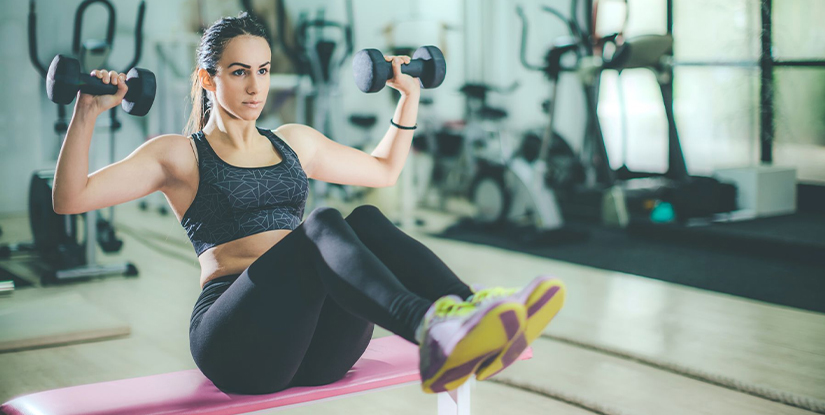
In the high-stakes environment of luxury fitness and boutique studios, equipment is no longer just a functional necessity; it is a silent communicator of brand value. A frequent pain point for facility operators is the rapid degradation of standard, generic free weights, which often leads to a perceived decline in facility quality. When dumbbells arrive with chipped coatings, mismatched weight increments, or ergonomic discomfort, the member experience suffers a direct hit. Understanding how custom dumbbells enhance the member experience starts with recognizing that customization is not merely about aesthetics—it is about technical precision, durability, and brand alignment. This guide explores the operational and strategic advantages of investing in tailored strength equipment.
Identifying the Friction Points of Standardized Dumbbell Sets
The primary driver behind the shift toward custom solutions is the failure of generic equipment to meet specific demographic or stylistic needs. Standardized dumbbells often present a uniform design that ignores the nuances of high-end club environments, leading to several operational headaches. When equipment feels 'commodity,' members subconsciously associate the facility with lower tier status, which can impact retention rates in premium segments.
The Degradation of Visual and Tactile Quality
Generic rubber-coated or cast iron dumbbells often suffer from rapid surface wear. In high-traffic environments, standard polyurethane or rubber coatings can peel or crack due to inadequate bonding processes. This is not just an aesthetic issue; it creates a tactile failure where the grip becomes slippery or uncomfortable during high-intensity sessions. Operators often face the mistake of choosing the lowest initial procurement cost, only to find that the replacement cycle is twice as frequent due to these surface failures.
Mismatching Demographic Ergonomics
Standard dumbbell shapes are often designed for the broadest possible average, which can fail to accommodate specialized training niches. For instance, a studio focusing on female-centric functional training may find that standard handle diameters do not suit a more diverse range of grip strengths. By ignoring these ergonomic nuances, facilities inadvertently create a barrier to entry for certain members. Recognizing these friction points is the first step toward a more intentional procurement strategy, which leads us to the technical advantages of customized manufacturing.
The Technical Advantages of Custom Dumbbell Specifications
Moving beyond the problem of generic hardware, we must look at the technical mechanisms that differentiate custom-engineered weights from mass-produced alternatives. Customization allows an operator to dictate the exact tolerances of weight, the exact texture of the grip, and the specific durability of the finish. This level of control ensures that the equipment serves as a long-term asset rather than a recurring expense.
Precision in Weight Increments and Balance
One of the most significant ways custom dumbbells enhance the member experience is through superior weight distribution. In precision-engineered sets, the center of gravity is meticulously controlled. This prevents the 'lopsided' feeling often found in low-grade cast iron, where one side of the dumbbell may feel heavier or more eccentric than the other. Such imbalances can lead to user injury or a lack of confidence in the equipment. A professional operator should verify that any new set includes a certification of weight tolerance, ideally within a very narrow percentage range.
| Feature | Standard Generic Dumbbells | Custom Engineered Dumbbells |
|---|---|---|
| Weight Tolerance | Higher variance (unpredictable feel) | Strict +/- percentage control |
| Coating Durability | Basic rubber/polyurethane (prone to peeling) | Advanced multi-layer bonding/UV resistance |
| Ergonomic Variety | One-size-fits-most handles | Variable diameter and texture options |
| Branding Integration | None (generic look) | Seamless color and logo integration |
By prioritizing these technical specifications, operators can move from reactive replacement to proactive asset management. However, achieving this level of quality requires a deep understanding of material selection and surface finishes.
Explore the complete technical specifications:
Material Selection and Surface Finish Durations
While the weight of the dumbbell is the core function, the outer layer determines the longevity and the user's sensory perception. The choice between urethane, neoprene, and steel is a decision that impacts both the facility's budget and the member's tactile experience. Choosing the wrong material can lead to premature oxidation or coating failure, which negatively impacts the facility's perceived cleanliness and maintenance standards.
The Durability of High-End Urethane vs. Neoprene
In premium environments, urethane is often the preferred choice due to its high impact resistance and chemical stability. Unlike neoprene, which can absorb sweat and oils, leading to odors and discoloration over time, high-grade urethane maintains its integrity under heavy use. This is a critical distinction for luxury clubs where 'freshness' is a key metric of the member experience. Operators must evaluate the chemical resistance of the coating to ensure it can withstand standard commercial-grade disinfectant usage without degradation.
Implementing a Surface Inspection Protocol
To ensure that these high-quality materials continue to perform, a regular inspection cadence is required. A common mistake is waiting until a piece of equipment is visually damaged to take action. Instead, facilities should implement a monthly 'tactile and visual' audit. This involves checking for any signs of swelling in the core, bubbling in the coating, or oxidation on the metal handles. By catching these micro-failures early, operators can protect their investment and ensure a consistent member experience.
Maintaining these surface standards is essential, but the physical build of the dumbbell itself—the handle and the core—requires its own set of technical scrutiny.
Explore the complete technical specifications:
Engineering the Ideal Grip: Handle Ergonomics and Textures
The interface between the user and the weight is the handle. This is where the technical execution of custom dumbbells truly shines. A poorly designed handle can cause fatigue, blisters, or even a loss of grip during critical lifts, directly undermining the user's confidence. Customization allows for the fine-tuning of grip diameter, knurling pattern, and material hardness to match the studio's unique training philosophy.
Knurling Patterns and Grip Diameters
Knurling refers to the etched pattern on a metal handle that provides traction. In a custom build, the depth and frequency of this knurling can be adjusted. For a boutique HIIT studio, a more aggressive, sharp knurling might be requested, whereas a wellness-focused yoga/strength studio might prefer a smoother, more ergonomic finish. A failure to match the knurling to the intended user type is a frequent oversight in facility planning. Operators should test sample handles to verify if the grip feels 'too abrasive' or 'too slick' for their target demographic.
- Verify Diameter: Ensure handle diameters align with standard ergonomic training ranges (e.g., 28mm to 32mm).
- Test Knurling Depth: Evaluate the physical feedback of the knurling under various grip pressures.
- Check Material Hardness: Confirm the handle material (steel vs. chrome) provides sufficient non-slip properties.
- Assess Weight Balance: Test the center of gravity to ensure no rotational imbalance during movement.
Once the perfect grip is established, the focus shifts from the user's hand to the broader operational impact of the equipment on the facility's bottom line.
Explore the complete technical specifications:
Maximizing ROI through Strategic Customization
A common misconception is that custom equipment is a luxury expense that does not offer a return on investment. However, from a market analyst's perspective, customized equipment is a durability-driven investment. By selecting materials and specifications tailored to your facility's specific usage, you reduce the Total Cost of Ownership (TCO) by extending the lifecycle of the equipment and reducing replacement frequency.
The Long-Term Cost of 'Cheap' Alternatives
When analyzing the procurement of strength equipment, decision-makers often fall into the trap of looking only at the initial purchase price. This ignores the 'invisible costs' of standard, low-grade dumbbells: higher labor costs for frequent replacement, diminished member satisfaction, and the potential loss of high-value clients who expect premium quality. Custom dumbbells, by contrast, are built to withstand specific environmental stressors, making them a more predictable and stable asset over a 5 to 10-year window.
| Metric | Standard Procurement (Low Cost) | Custom Procurement (High Spec) |
|---|---|---|
| Initial Capital Outlay | Low | Moderate to High |
| Replacement Cycle | 18–36 Months | 60+ Months |
| Brand Perception Impact | extNeutral/Negative | Positive/Premium |
| Maintenance Requirements | High (Surface/Coating issues) | Low (Engineered Durability) |
Effective ROI management requires moving from a 'cost-center' mindset to a 'value-creation' mindset. This transition is made possible by aligning technical specifications with operational realities, which leads to the final stage of the procurement and deployment process.
Operational Checklist for Deploying Custom Equipment
Deploying a new set of custom dumbbells is a significant event for a facility. To ensure that the transition from delivery to member usage is seamless, operators must follow a structured deployment protocol. A disorganized rollout can lead to initial confusion or even misuse of the equipment if the intended ergonomic or weight-handling characteristics are not properly understood by staff.
Pre-Deployment Verification Steps
Before the dumbbells hit the gym floor, they must undergo a rigorous 'acceptance inspection.' This is the final opportunity to verify that the manufacturer's technical promises meet the facility's actual requirements. Do not rely solely on the shipping manifest; physical verification is essential to ensure quality control.
- Visual Inspection: Check every single unit for uniformity in color, logo placement, and surface texture.
- Weight Verification: Randomly select 5% of the set and weigh them on a calibrated scale to ensure they meet the promised tolerances.
- Grip Feel Test: Have several staff members of different hand sizes test the knurling and diameter to ensure it matches the intended experience.
- Storage Alignment: Ensure the custom dimensions of the dumbbells are compatible with your existing dumbbell racks to prevent crowding or instability.
With the equipment successfully verified and deployed, the final stage is ensuring the longevity of the investment through long-term operational excellence and constant observation of the member experience.
The Future of Strength Equipment: Customization as a Standard
As the fitness industry continues to fragment into specialized niches—from ultra-luxury wellness clubs to highly technical functional training centers—the demand for customized equipment will only grow. The ability to customize is shifting from a 'premium option' to a 'technical requirement' for any facility that wishes to maintain a competitive edge. The companies and operators who recognize that how custom dumbbells enhance the member experience is a matter of both brand identity and operational precision will be the ones who lead the market.
Looking ahead, we expect to see even deeper integration of customization, potentially involving smart-tech capabilities or even more advanced biomimetic ergonomic designs. For now, the focus remains on the fundamentals: high-quality materials, precise weight distributions, and impeccable surface finishes. By mastering these elements, facility operators transform their strength training areas from simple utility zones into high-value branded experiences.