Your Logo, Your Brand – The Power of OEM/ODM Customization
A transformation is taking place in the Saudi fitness market. Gyms are no longer just spaces with equipment — they are venues where members experience brand culture and build identity. When a member walks into a gym, the equipment is the first thing they see. Does it carry a logo? What colors are used? Is the overall style consistent? These details directly determine how members perceive the quality of the facility. Boutique studios and premium gym chains in Saudi Arabia are using customization to answer one clear question: "This is my gym. These are my equipment. This is my brand."
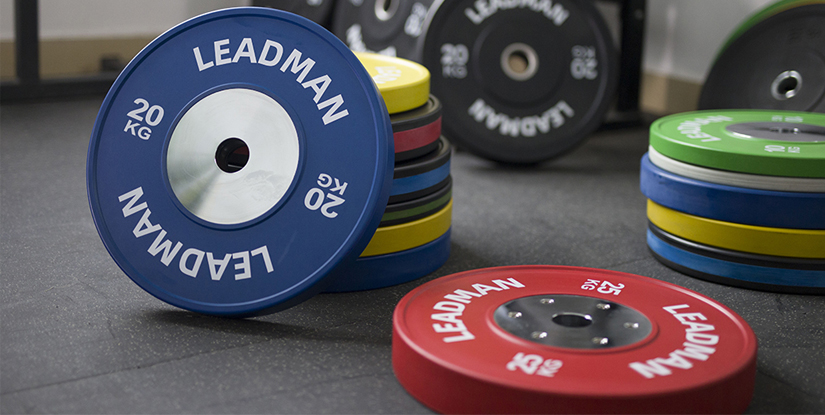
Local dealers can sell you generic equipment, but they cannot give you brand differentiation. Trading companies can help you source a full gym from different factories, but they cannot deliver consistent, unified customization across categories. Only a manufacturer with integrated production can cast your logo into steel, integrate your color scheme into powder coating, and carry your brand identity across every piece of equipment — from power racks to dumbbells, from bumper plates to kettlebells.
This is the value of OEM/ODM. You are not just buying equipment — you are building your own brand assets.
Why Do Premium Saudi Gyms Need Customization?
The Saudi fitness market is shifting from "generic" to "branded." This is not a forecast — it is a fact already in motion.
In Jeddah, the boutique gym PUREGYM made a clear request when opening its new location: the new facility must "be able to reflect brand elements and give the gym its own identity." This demand directly reflects what premium Saudi fitness investors are pursuing — they no longer want to operate generic spaces that anyone could open. They want to build differentiated environments with strong brand recognition.
Saudi consumers place exceptional value on brand assets — perhaps more than in any other market. For gym investors in the Kingdom, a logo on equipment is not just a brand marker — it is a symbol of identity and credibility. When members use equipment carrying the gym's own brand identity, the entire facility's perceived quality and professionalism are elevated.
Similarly, a 200sqm women-only gym in Riyadh specified that "every piece of equipment must be customized in white according to female preferences." This goes beyond simple color choice — it reflects a deep understanding of the target audience. Female members are more sensitive to spatial aesthetics and atmosphere. The visual presentation of equipment directly impacts members' sense of belonging and retention rates.
Generic equipment simply cannot meet these differentiated needs. Standard models sold by local dealers — usually black or dark gray with the manufacturer's logo — cannot help a gym establish its own brand identity.
Why is OEM/ODM the only viable path? Because only a manufacturer with owned factories has direct control over its production lines. Adjusting colors, customizing logos, and tailoring packaging are not issues of "ordering from an OEM partner" — they are issues of "adjusting parameters on our own production lines." This is precisely why we chose vertical integration: four owned factories enable cross-category customization that no trading company can match.
OEM vs. ODM: Two Collaboration Models, One Goal
In the fitness equipment industry, OEM and ODM represent two distinct customization models. Understanding the difference will help you choose the right path for your brand.
OEM (Original Equipment Manufacturing)
Under OEM, you retain full control over product design. You specify your requirements — rack dimensions, steel gauge, color, logo placement — and the factory manufactures to your exact specifications.
Advantages of OEM:
- Brand exclusivity: You own the product design. Competitors cannot order identical products from the same factory because the tooling and specifications belong to you.
- Product differentiation: Your power racks, dumbbells, and plates can feature unique dimensions and aesthetics — creating genuine visual and functional distinction from competitors.
- Brand moat: Once the design is finalized and tooling is complete, production quality and style remain consistent over time.
OEM considerations: Requires upfront design and tooling investment. The initial production timeline is longer, and minimum order quantities are higher.
ODM (Original Design Manufacturing)
Under ODM, the factory already has mature product designs, tooling, and production lines. You select from the factory's existing product catalog, then apply your own logo and color scheme.
Advantages of ODM:
- Faster time to market: Designs are already finalized. Production can start immediately, dramatically reducing the timeline from concept to delivery.
- Lower upfront investment: No tooling costs. Lower minimum order quantities — ideal for testing the market on a budget.
- Proven quality: Existing product designs are already market-verified. Quality and performance are documented and consistent.
ODM considerations: You do not own exclusive rights to the product design — the same factory may supply identical products to other brands. Differentiation is primarily in logo and color, not product architecture.
| Dimension | OEM (Your Design) | ODM (Our Design) |
|---|---|---|
| Design Ownership | You own the design — exclusive to your brand | Factory owns the design — available to other brands |
| Differentiation Level | High — specifications, dimensions, and aesthetics fully defined by you | Medium — differentiation primarily through logo and color |
| Upfront Investment | High — tooling and mold development costs | Low — no tooling costs, more flexible MOQs |
| Time to Market | Slower — design and sampling required | Fast — production-ready designs |
| Best For | Established brands with clear product vision | Quick launches, market testing, limited budgets |
Many successful brands start with ODM — using the factory's proven products to build a product line quickly and test the market — then transition to OEM, developing their own exclusive designs over time.
What Can We Customize?
As a manufacturer with four owned factories, we offer comprehensive OEM/ODM customization across four product categories:
| Category | Customizable Elements | Customization Method |
|---|---|---|
| Power Racks | Frame color, logo nameplate, dimensions, attachment configuration | Logo cast or laser-engraved; powder coating color selection |
| Bumper Plates | Logo casting, color customization, weight markings | Logo cast on side or top; colors matched to brand palette |
| Dumbbells / Kettlebells | Logo casting, coating color, handle specifications | Logo embedded in casting mold; powder coating color options |
| Rubber Flooring | Color customization, thickness, surface texture | Rubber compound and color can be adjusted; logo can be embossed |
Our customization extends beyond logos and colors. We can also adjust product specifications — power rack height and width, bumper plate weight tolerance grades, dumbbell handle diameter, and more. Premium gym projects in Saudi Arabia often require this level of specification detail.
One critical capability is cross-category customization consistency. When your power racks, dumbbells, and bumper plates come from the same system, logo placement, color accuracy, and overall style remain consistent. This is impossible with fragmented sourcing — you cannot get five different factories to use the same color standards and logo parameters.
The Customization Process — From Concept to Container
Our OEM/ODM process is transparent and traceable. From the moment you share your idea to the moment your equipment is loaded into a container, every stage has clear quality checkpoints:
Step 1: Requirements Discovery. Tell us your brand positioning, design ideas, and functional needs. Our sales and engineering teams assess your requirements, provide feasibility recommendations, and deliver preliminary pricing. If this is your first customization, we will guide you through the discovery process.
Step 2: Design Development. Our technical team creates 3D renderings showing logo placement, color scheme, product appearance, and functional details. You preview the final product before production begins.
Step 3: Sampling and Approval. Samples are produced and shipped to you for physical inspection. You can test product feel, weight accuracy, coating quality, and logo precision. Once you approve the sample, we move to mass production.
Step 4: Production and Quality Control. Mass production follows the approved sample standards strictly. Each process has independent quality control checkpoints — raw material inspection, in-process sampling, and finished product inspection.
Step 5: Packaging and Shipping. Products are packaged according to your brand specifications — custom logo labels, brand-colored packaging, customized packing lists. Your complete container is then shipped to Saudi Arabia.
The core advantage of this process is: you control the brand, we control the manufacturing. You do not need to be on the factory floor. But we welcome you to verify quality at every step — through photos, videos, or an in-person visit.
Why Choose Leadman Fitness for OEM/ODM?
Many factories offer OEM services. But we bring several distinct advantages:
First, four owned factories — cross-category customization. Most OEM factories specialize in only one or two categories — some do racks, others do plates, others do dumbbells. Our four factories cover power racks, barbells, bumper plates, dumbbells, kettlebells, and flooring, enabling unified customization across all categories. This ensures logo and color consistency across every product in your gym.
Second, vertical integration — controlled lead times. We do not rely on external suppliers for critical components. From steel cutting to powder coating, from rubber compounding to compression molding — everything happens within our own system. This means custom orders are not delayed by "supply chain bottlenecks."
Third, Saudi market experience. We understand Saudi customs requirements for imported equipment, SABER certification, and the specific durability demands of the Kingdom's hot, humid climate. Feedback from our Saudi custom projects confirms that clients value our ability to anticipate their needs and reduce their sourcing risks.
Fourth, flexible minimum order quantities — from trial orders to full containers. Unlike some OEM factories that require large minimum orders, we support small-batch trial orders. You can validate quality and craftsmanship before committing to a full container.
One Riyadh-based women's gym investor shared this feedback after completing a custom project: "Every piece of equipment was customized according to our brand style. The entire space is trendy and unique, with warm tones and vibrant accents that create a comfortable yet energizing atmosphere. This not only elevated our brand image but also significantly drove sales."
Conclusion: Your Brand Deserves to Be Cast in Steel
In the Saudi fitness market's transition from generic to branded, customization is no longer a nice-to-have — it is essential. Your logo, your colors, your brand identity — they determine how members perceive and connect with your facility.
You are not buying equipment — you are building brand assets. We help you embed those assets in steel, rubber, and every square meter of your gym space.
From your initial sketch to a container full of your branded equipment — we make it simple.