The evolution of the residential fitness market has shifted from basic utility to a demand for professional-grade home exercise equipment. Modern consumers and distributors alike seek equipment that balances high-performance engineering with space-efficient footprints. Whether the objective is strength training, cardiovascular conditioning, or functional movement, the technical specifications of the gear determine its long-term utility and durability in a domestic environment.
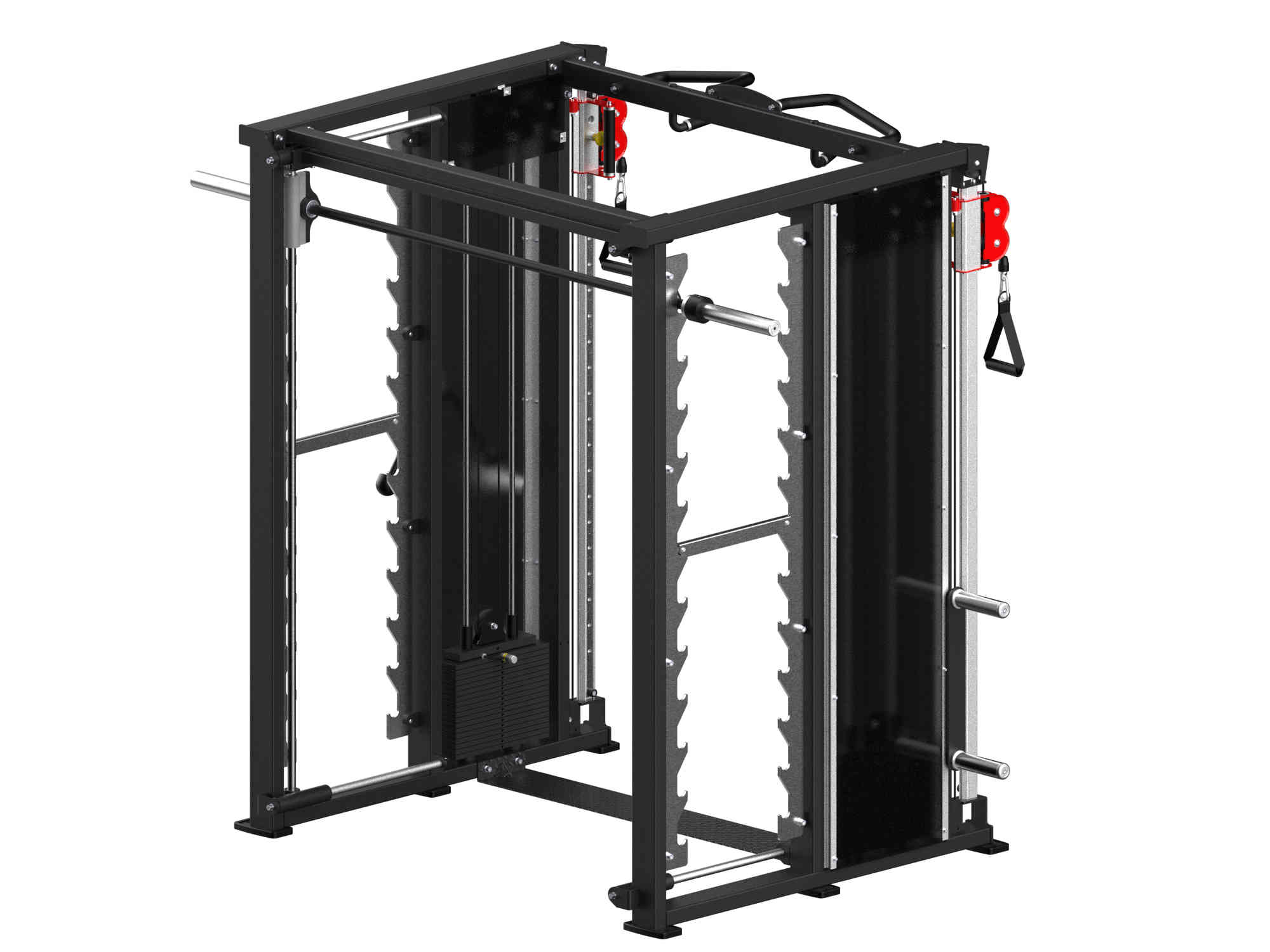
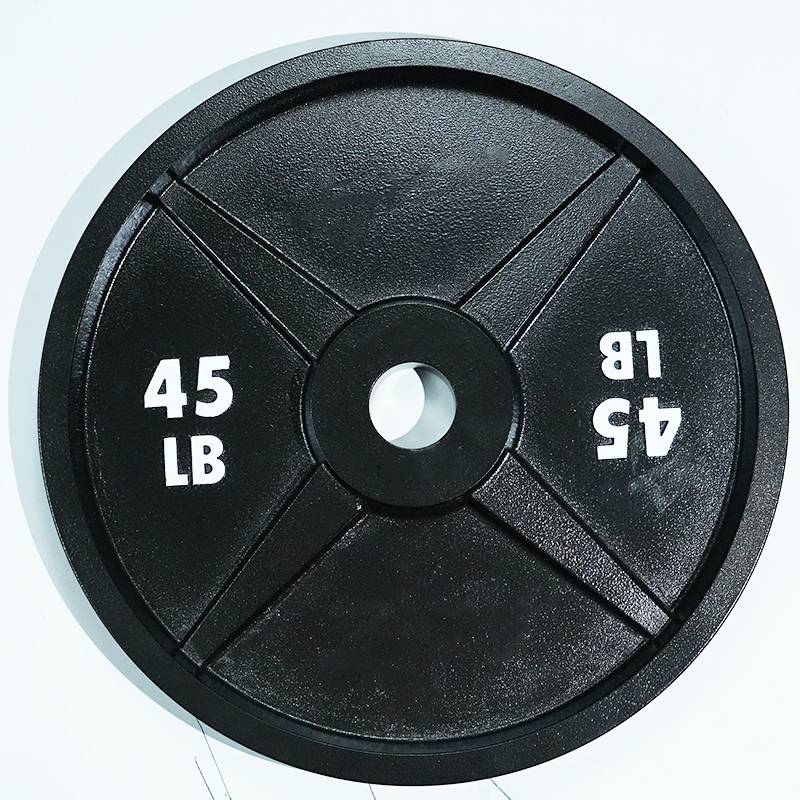
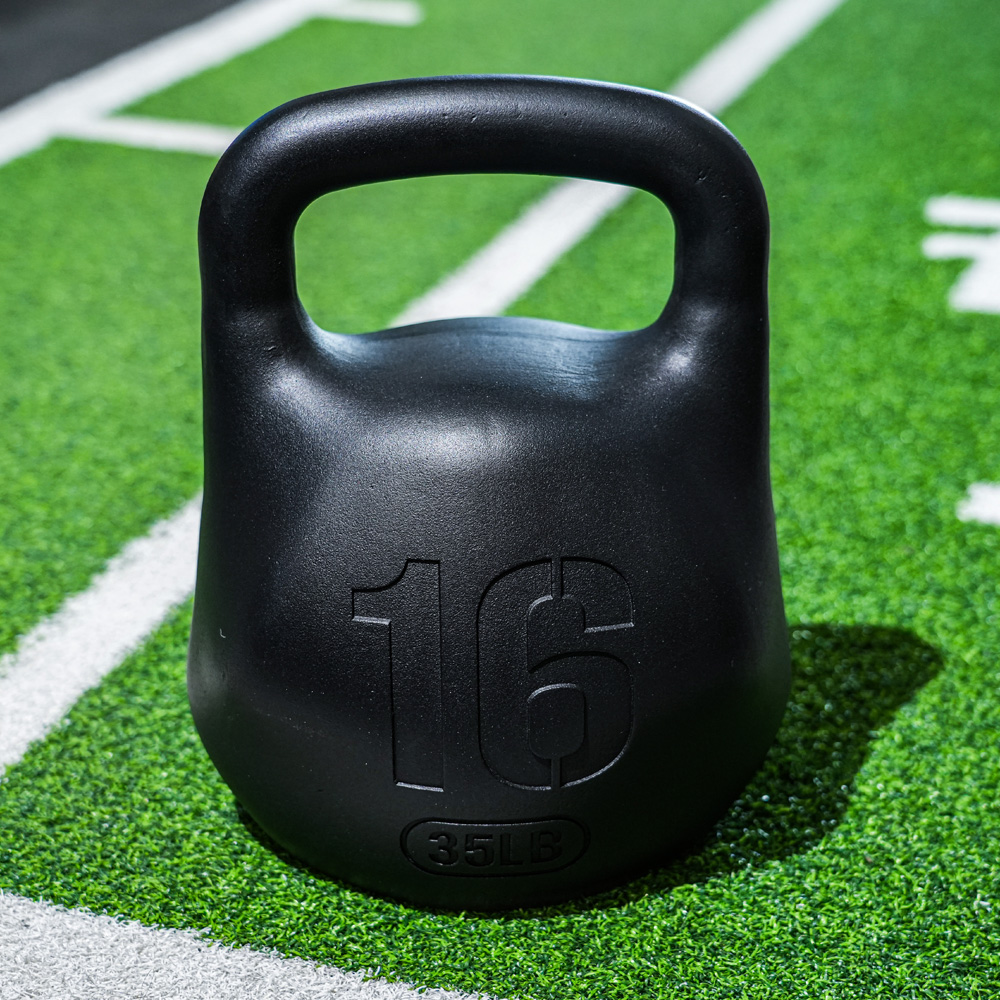
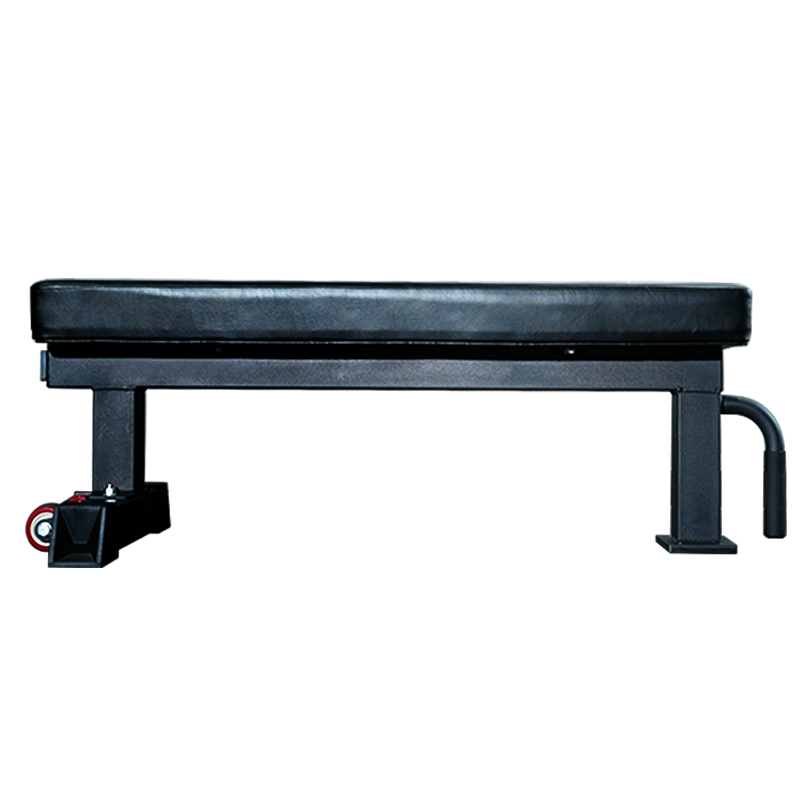
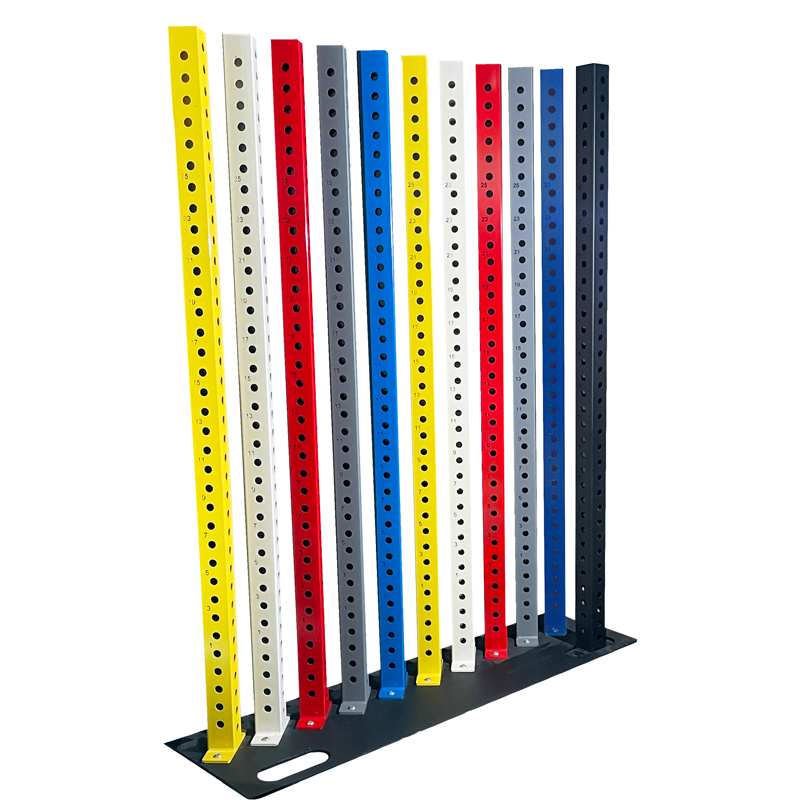
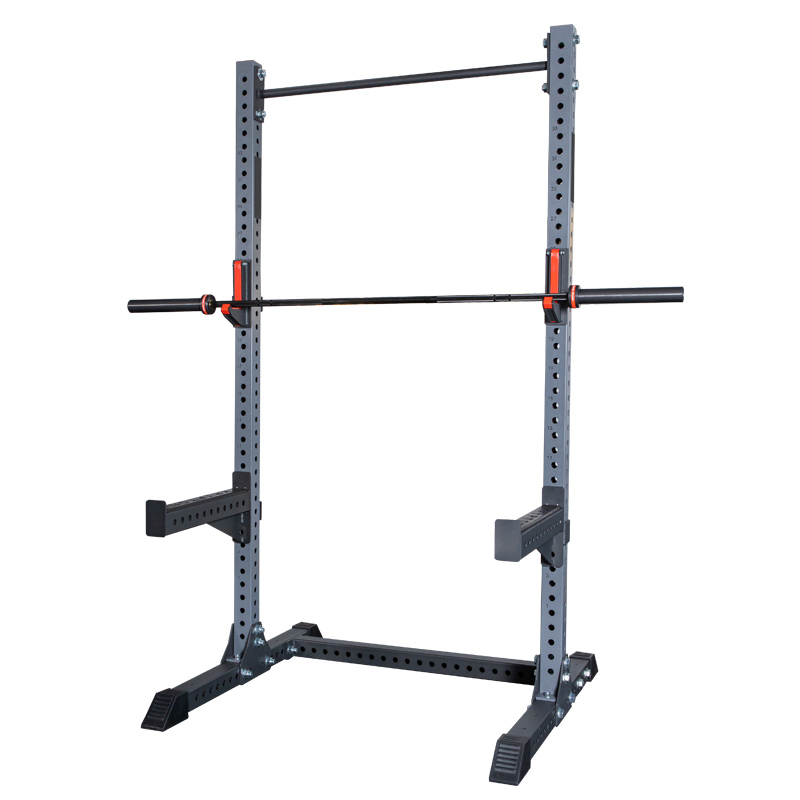
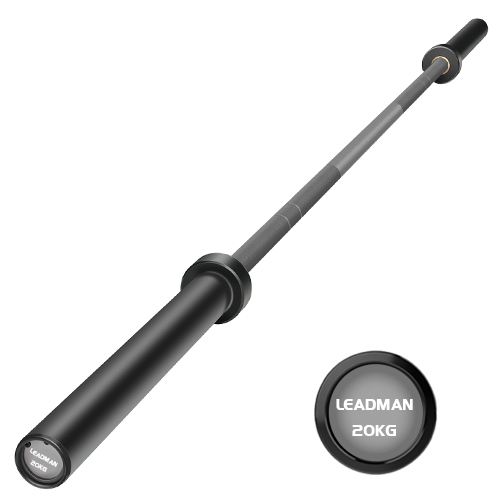
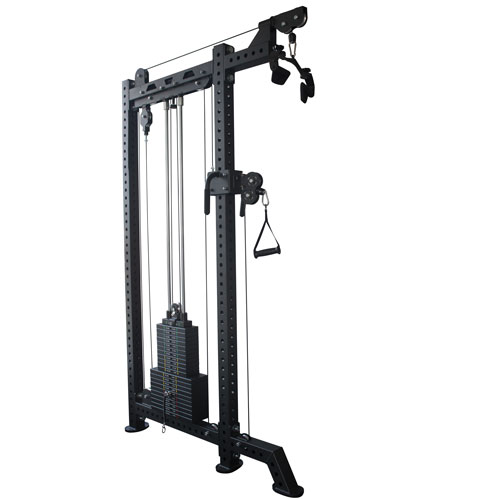
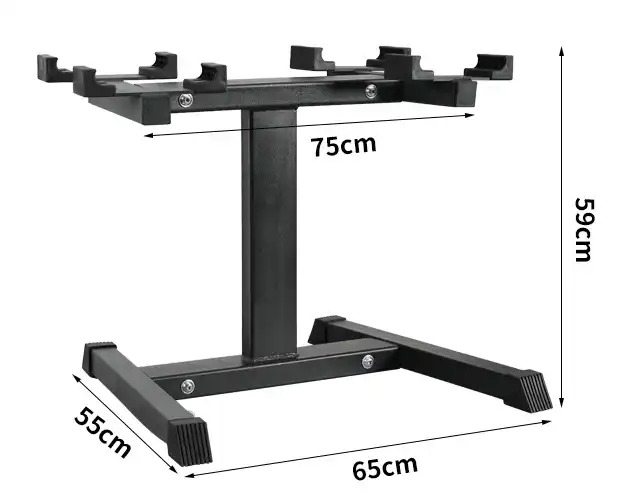
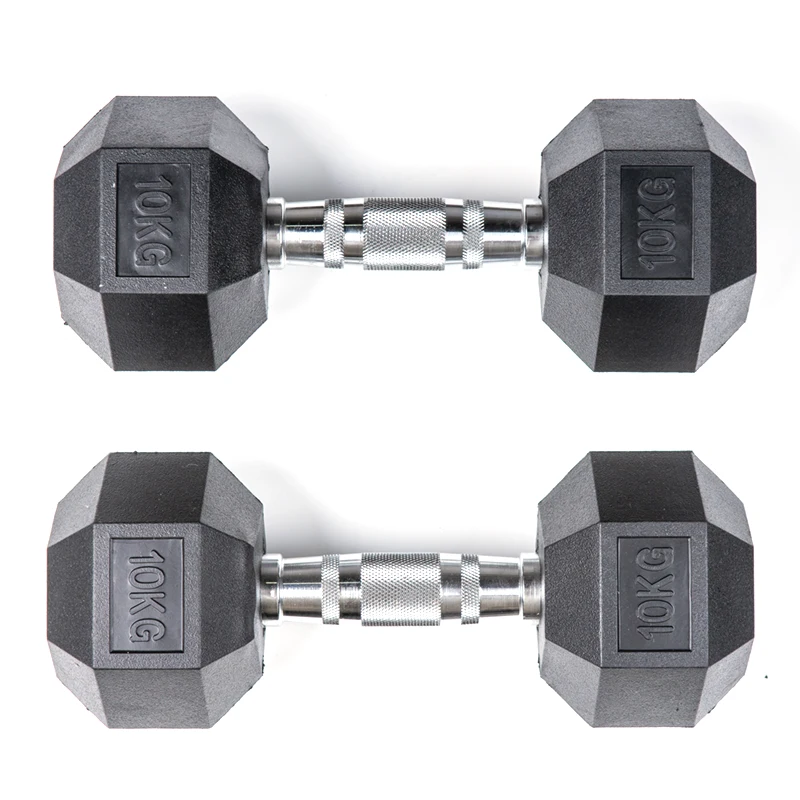
Strength Training Fundamentals: Essential home strength components include adjustable dumbbells, resistance bands, and multi-functional weight benches. For more advanced setups, semi-commercial functional trainers and adjustable power racks provide the structural integrity required for heavy compound movements while maintaining a manageable physical footprint. Engineering focus remains on load-bearing capacity, ergonomic handle designs, and the precision of adjustable resistance levels.
Cardiovascular Conditioning: Home-based cardio solutions must address the dual requirements of mechanical reliability and noise mitigation. High-tier options include compact treadmills with advanced shock absorption systems, stationary cycles with low-friction magnetic resistance, and rowing machines designed for easy storage. Key technical considerations for buyers include the motor's duty cycle, the density of the flywheel, and the integration of digital tracking interfaces.
Design and Spatial Optimization: Unlike commercial gym layouts, residential equipment design must prioritize compactness, aesthetics, and versatility. Foldable mechanisms, stackable weight systems, and modular components allow users to maximize training potential within limited square footage. Selection criteria should prioritize equipment that offers high multi-functionality without compromising the structural stability found in commercial-grade alternatives.
Quality Assurance and Sourcing: When sourcing home fitness solutions, it is critical to evaluate the material grade—such as high-tensile steel, reinforced polymers, and high-density foam—to ensure longevity. Reliability in electronic components for smart-connected equipment is equally vital for long-term consumer satisfaction and reduced maintenance cycles.