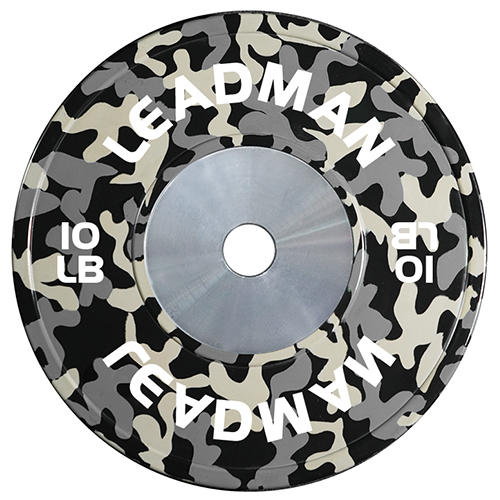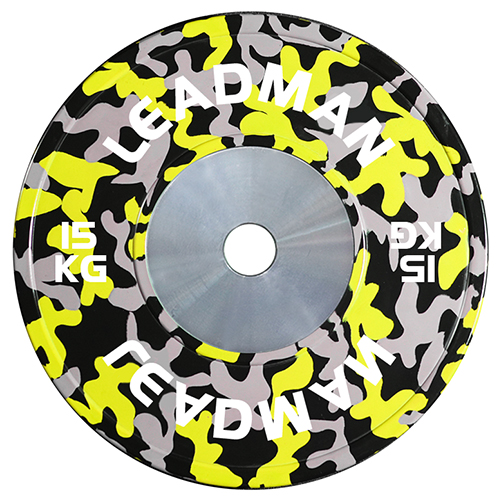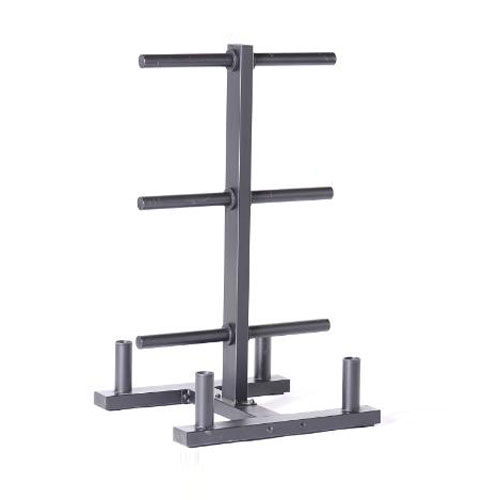
Selecting the right gym equipment wholesalers is a critical strategic decision for facility managers, gym owners, and commercial developers. A reliable wholesale partner provides more than just hardware; they offer scalable procurement solutions, rigorous engineering standards, and logistical reliability essential for high-traffic fitness environments.
Core Procurement Categories
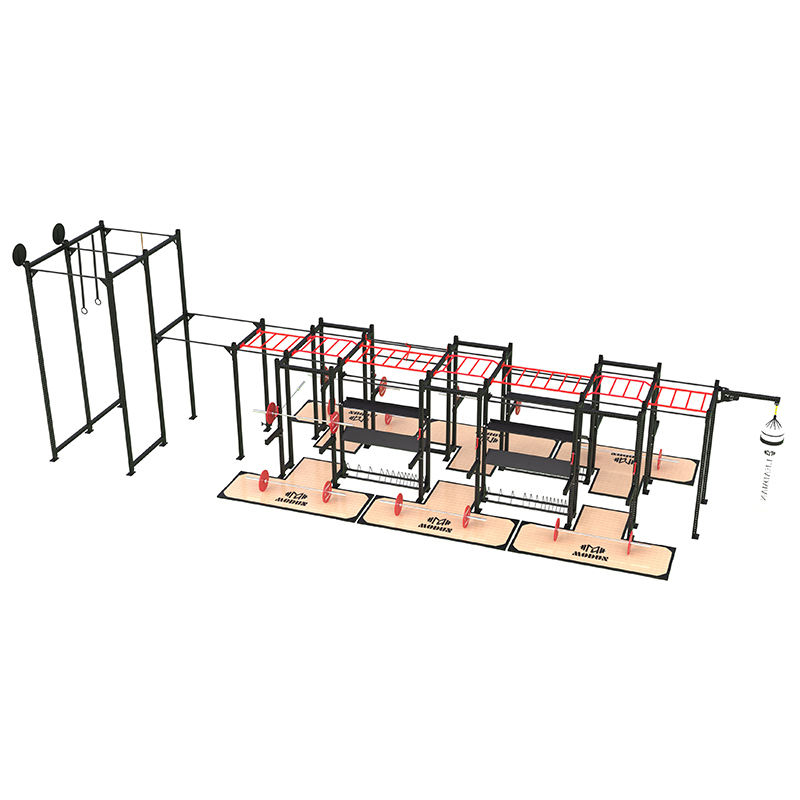
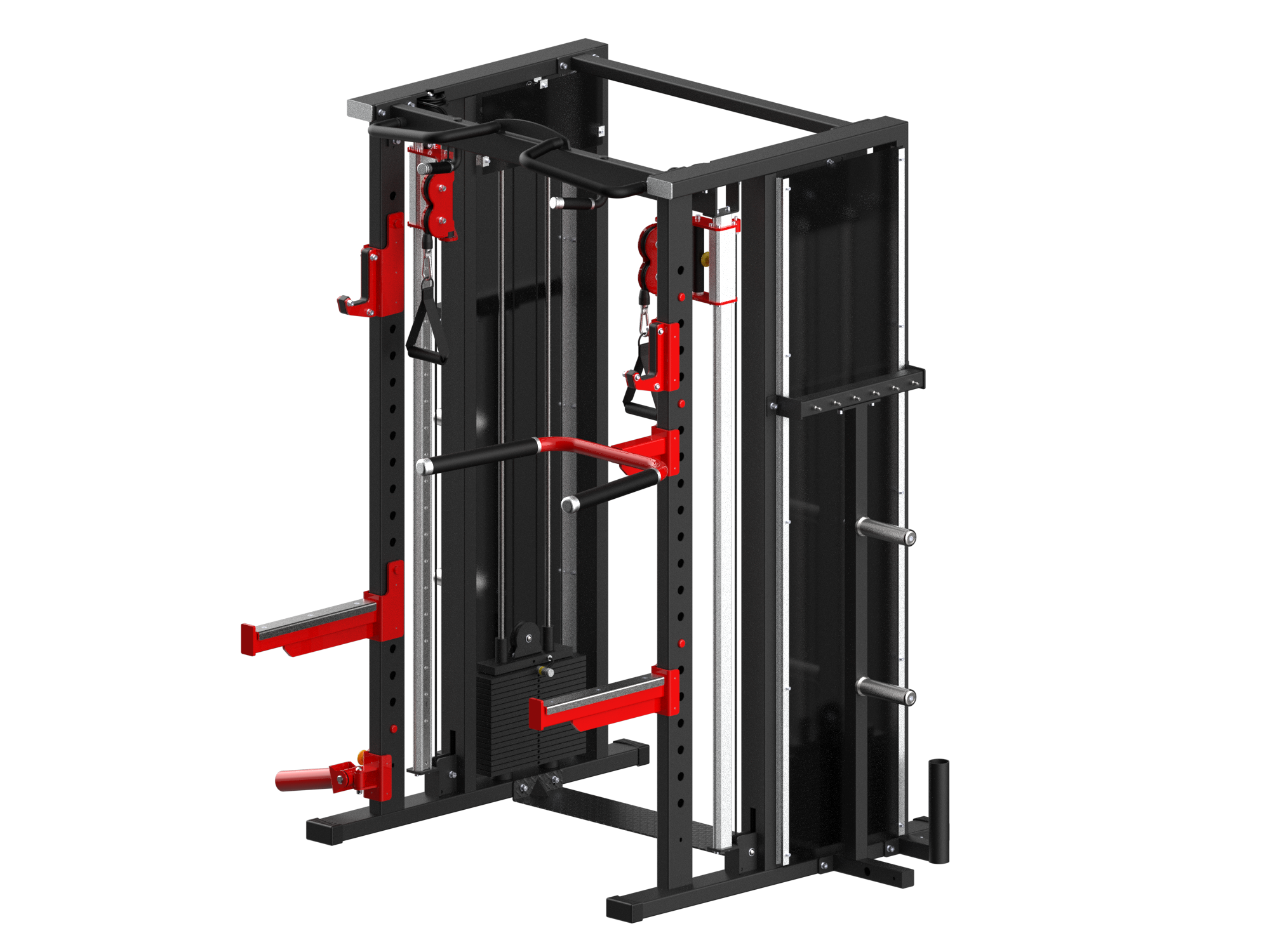
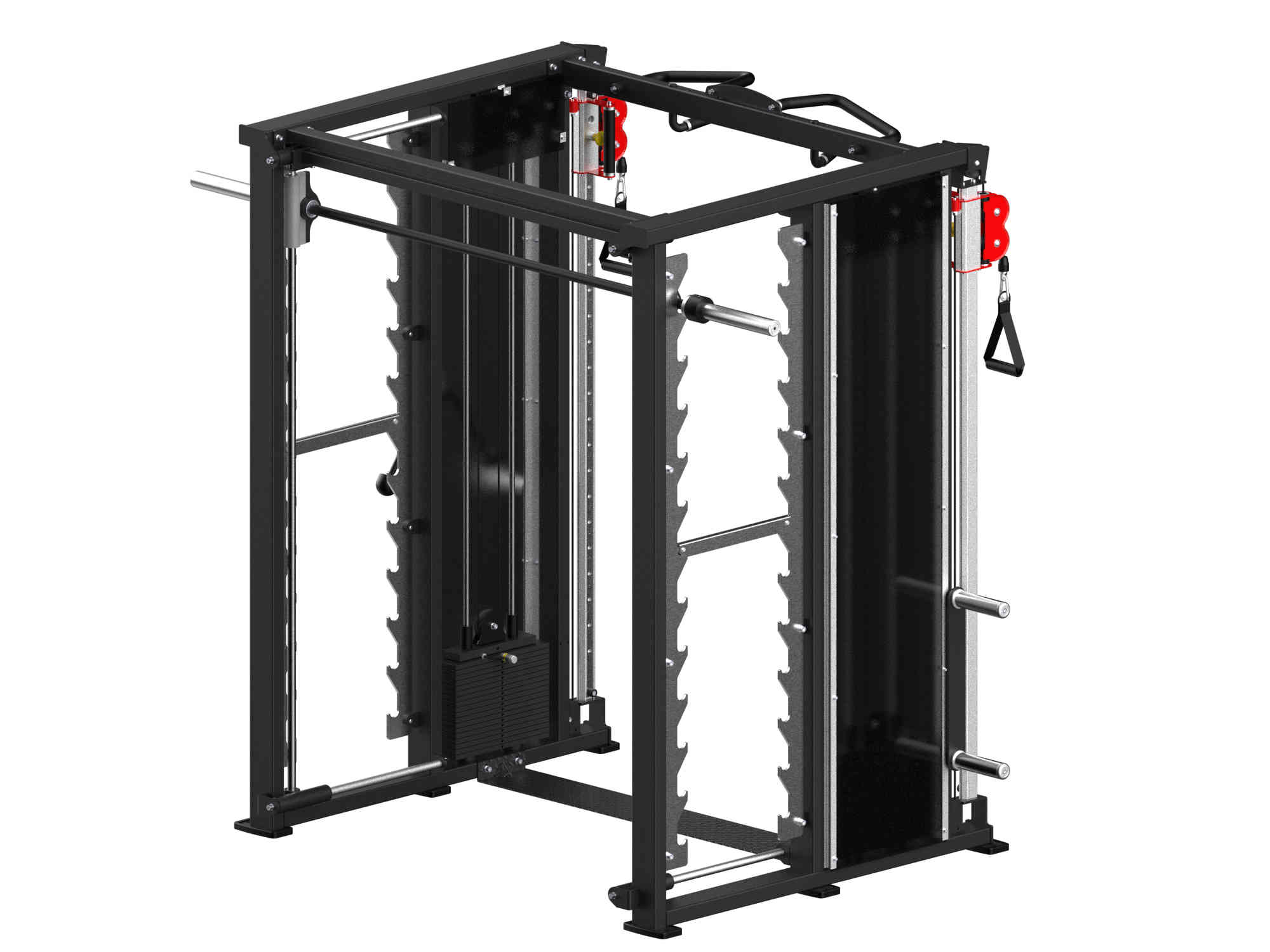
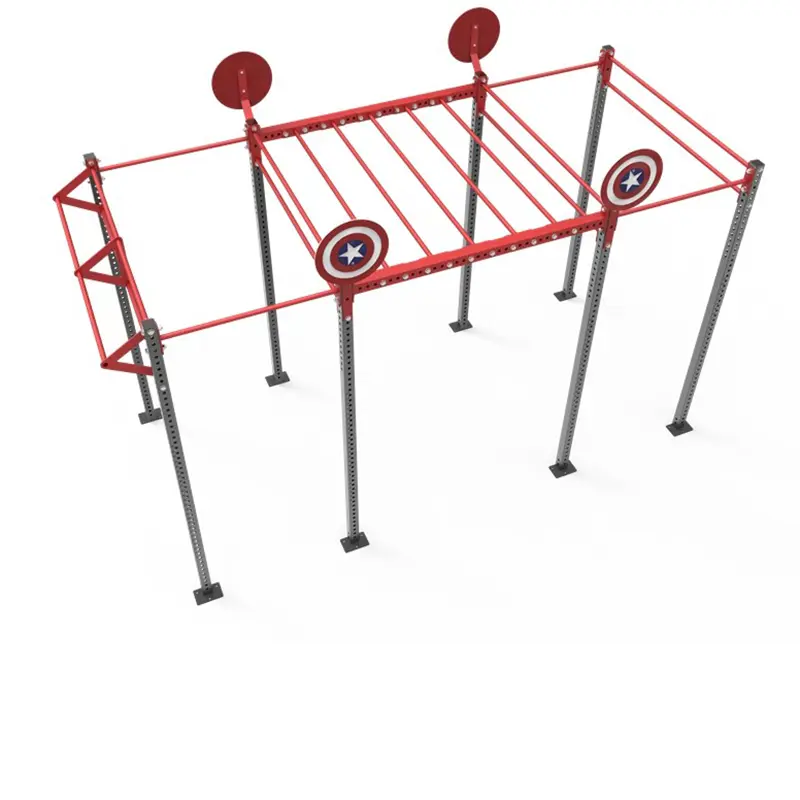
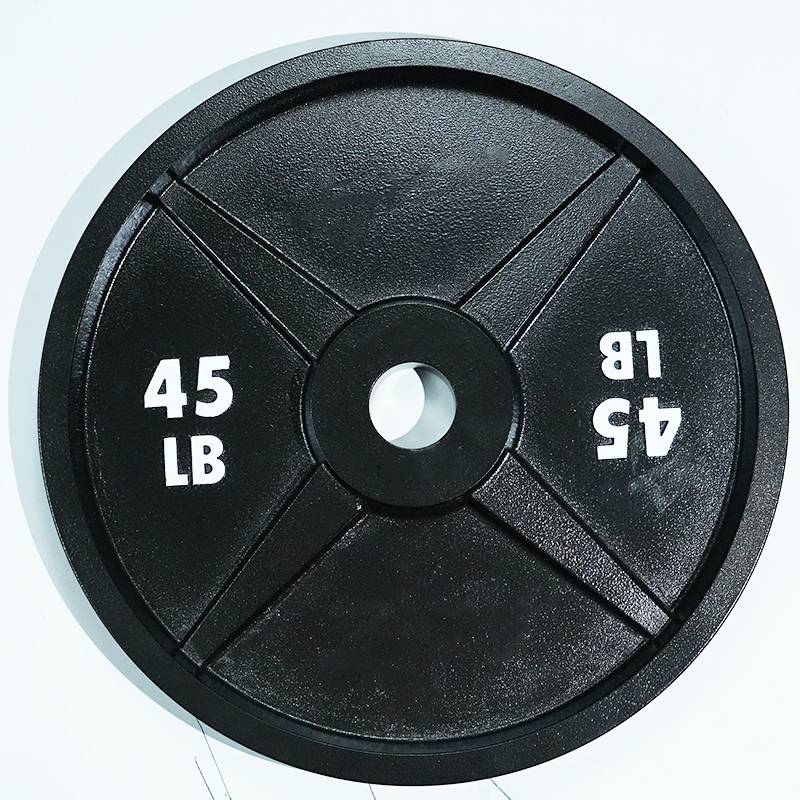
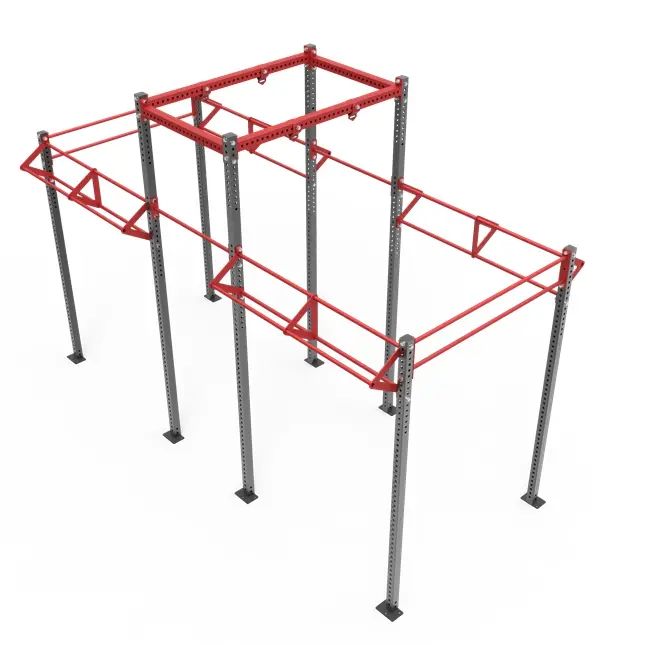
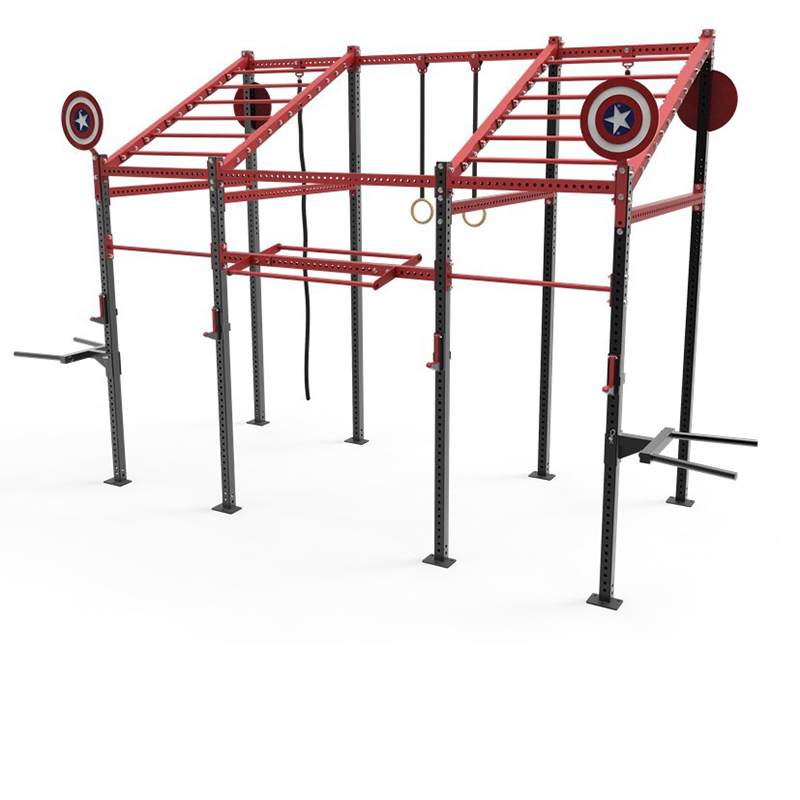
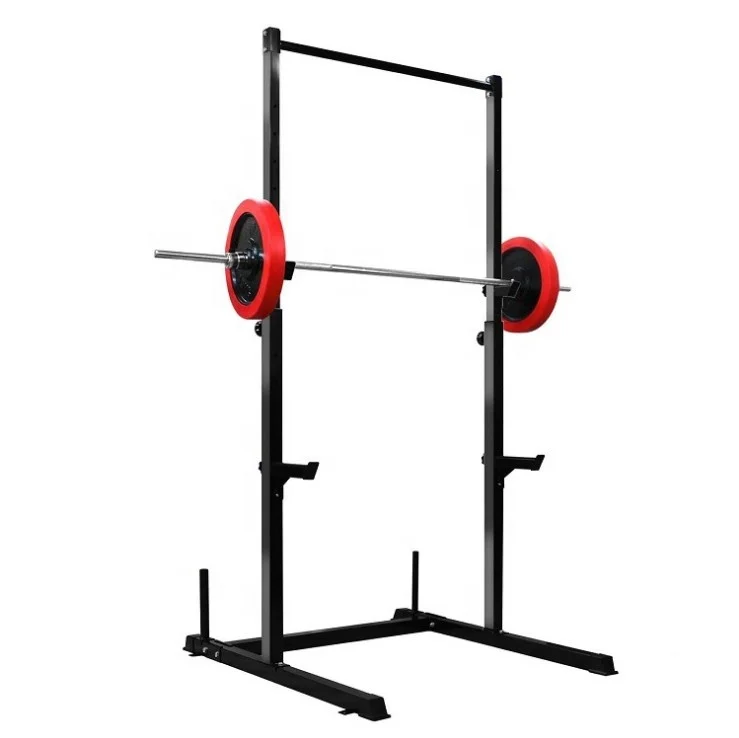
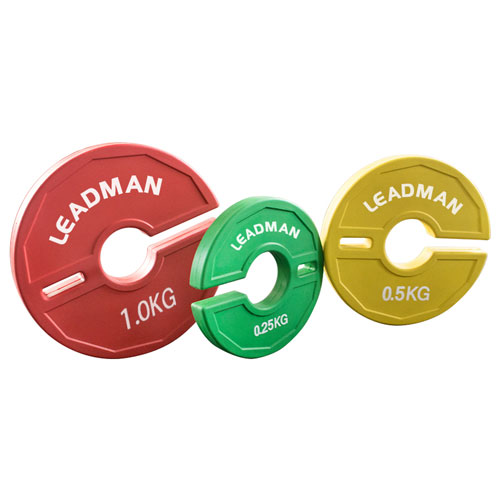
Professional wholesalers typically specialize in several distinct product verticals to ensure comprehensive facility outfitting. These include strength training equipment (such as plate-loaded machines and power racks), cardiovascular systems (treadmills, ellipticals, and stationary bikes), and functional training tools (kettlebells, medicine balls, and suspension trainers). Sourcing through a specialized wholesaler ensures that equipment is built to commercial-grade specifications rather than residential standards.
Evaluating Supplier Capabilities
When vetting wholesale partners, buyers must look beyond initial unit costs. A high-tier supplier should demonstrate expertise in the following areas:
Strategic Sourcing for Different Use-Cases
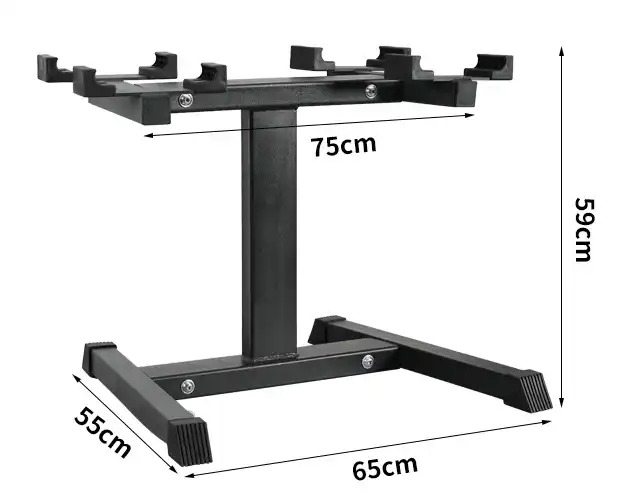
The requirements for a boutique HIIT studio differ significantly from those of a large-scale commercial gym or a hotel fitness center. Wholesalers capable of multi-tier sourcing can assist in tailoring equipment profiles to specific footprints and user demographics. For instance, compact, modular strength equipment is ideal for urban studios with limited square footage, whereas robust, heavy-duty selectorized machines are better suited for high-volume commercial clubs. By establishing a direct relationship with a wholesaler, businesses can optimize their capital expenditure through volume-based pricing and streamlined logistics.