
Evaluating Bumper Plates Per Pound: A Technical Guide for Procurement
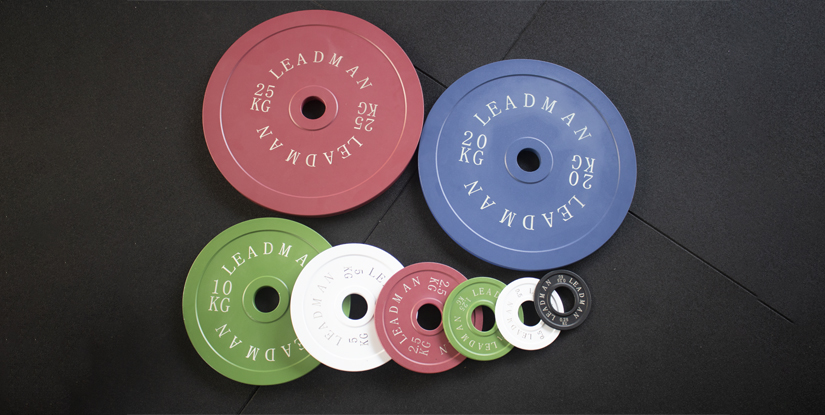
Precision Standards for Bumper Plates Per Pound
In commercial strength environments, the discrepancy between advertised weight and actual mass is a frequent source of friction. When facility managers calculate load capacities or program high-volume training, even a 2% variance across a barbell can compromise the integrity of a training session. Understanding the technical nuances of Bumper Plates Per Pound requires moving beyond simple nominal values and examining the density, manufacturing tolerances, and material consistency that define high-grade equipment.
The core problem often stems from varying production methods, where lower-quality cast urethane or rubber may not meet strict weight-to-volume ratios. This results in a 'drifting' weight profile, which is particularly detrimental in competitive strength sports where exact loading is paramount. Before committing to a large-scale purchase, operators must understand the metrics that differentiate standard training gear from precision-engineered commercial equipment.
Defining Weight Tolerance Categories
Weight tolerance is the allowed deviation from the stated weight. For a professional setting, these categories are typically broken down by the precision of the molding process.
| Tolerance Level | Typical Deviation | Primary Use Case |
|---|---|---|
| High Precision | < 1% | Competitive Weightlifting & Professional Training |
| Standard Commercial | 1% - 3% | General Gyms & CrossFit Facilities |
| Budget/Consumer | > 5% | Home Gyms & Low-Frequency Use |
Recognizing these thresholds allows a procurement manager to set clear expectations with suppliers. Once these standards are established, the next critical step is analyzing how material selection influences these weight profiles over time.
Material Density and Weight Consistency
The material used to achieve the desired Bumper Plates Per Pound dictates both the durability and the long-term weight stability of the plate. While all bumper plates are designed to withstand impact, the internal composition varies significantly between pure virgin rubber, recycled rubber, and urethane-encapsulated cores.
A common failure mode in facility management is the observation of weight 'loss' or structural degradation in lower-grade recycled rubber plates. This occurs because recycled materials often contain non-uniform impurities that can cause outgassing or microscopic material loss under extreme thermal shifts. High-end urethane-coated plates, by contrast, provide a more stable mass profile because the outer shell protects the internal density from environmental degradation.
Comparing Material Impact on Plate Longevity
Choosing the right material involves a trade-off between initial capital expenditure and long-term operational reliability. The following table compares common material compositions used in high-traffic environments.
| Material Type | Weight Stability | Durability/Impact Resistance | Surface Wear Profile |
|---|---|---|---|
| Virgin Rubber | High | Excellent (High Shock Absorption) | Low Surface Abrasion |
| Recycled Rubber | Moderate | Good (Higher Bounce) | Moderate Abrasion Risk |
| Urethane Encapsulated | Very High | Very High (Low Bounce) | High Resistance to Scuffing |
By selecting a material that aligns with the facility's thermal and impact requirements, operators can ensure that the weight on the bar remains a reliable constant. This reliability leads directly into the necessity of regular inspection protocols to maintain these standards.
Operational Inspection of Weight Accuracy
Even the highest-quality equipment requires a systematic approach to verification. A failure to implement a regular inspection cadence can lead to a gradual decline in the Bumper Plates Per Pound accuracy, often unnoticed until a significant discrepancy occurs during heavy lifting sessions. This drift is usually caused by environmental fatigue or improper storage protocols.
A professional operator should implement a dual-method verification system: visual inspection for structural integrity and periodic mass verification. A failure to do both often leads to overlooking internal structural cracks that may not be visible but can affect the center of gravity and perceived weight of the plate.
Routine Inspection Checklist for Facility Managers
- Visual Symmetry Check: Inspect the plate's edges for uneven wear or deformation that might shift the center of mass.
- Inner Ring Integrity: Check the central hole for any stretching or compression that could affect the fit on the barbell.
- Density Verification: Once per quarter, use a calibrated digital scale to weigh a sample from each weight denomination.
- Surface Hardness Test: Ensure the material has not become overly brittle or excessively soft due to temperature fluctuations.
Establishing these checks ensures that the equipment remains a predictable tool for athletes. Maintaining this precision, however, is only half the battle; the other half involves protecting the equipment from the very environments it is designed for.
Related reading:
Environmental Factors Affecting Weight Stability
A common oversight in gym design is the failure to account for how ambient temperature and humidity affect the physical properties of heavy-duty equipment. The Bumper Plates Per Pound ratio can be subtly altered by environmental extremes, particularly in facilities that lack strict climate control. This is not just a weight issue, but a structural one that can lead to premature material failure.
Extreme heat can cause rubber expansion or the leaching of oils, while extreme cold can lead to brittleness and micro-cracking. If an operator notices plates becoming harder to load or feeling 'lighter' during summer months, it is often an indicator of material expansion or thermal effects on the density of the core. Addressing these environmental variables through proper facility layout and HVAC integration is a vital preventive measure.
The Impact of Temperature on Plate Behavior
Understanding the thermal threshold of your equipment helps in predicting maintenance needs and potential failure modes. Different materials react uniquely to the seasonal shifts common in large-scale commercial buildings.
- High-Heat Environments: Can lead to increased surface tackiness in rubber and potential dimensional changes in the inner diameter.
- Low-Temperature Environments: Increases the risk of cracking upon high-velocity impact, especially with recycled rubber compositions.
- Humidity Extremes: Can affect the oxidation levels of any metal components or the adherence of coatings to the core.
Managing these environmental variables effectively keeps the equipment in peak operating condition. This leads to a discussion on the broader implications of procurement decisions and long-term ROI.
Related reading:
Procurement Strategy and Total Cost of Ownership
When evaluating the Bumper Plates Per Pound metric, many purchasing managers focus too heavily on the initial price per plate rather than the total cost of ownership (TCO). A lower initial cost often masks a higher replacement frequency caused by inconsistent weight accuracy and poor material durability. To avoid this trap, procurement should be viewed as a long-term investment in facility reliability.
A professional procurement strategy involves setting rigorous technical specifications during the RFP process. Instead of simply requesting '45lb bumper plates,' an operator should specify the acceptable weight tolerance and the required material density. This level of detail prevents the delivery of substandard gear that creates operational headaches down the line. For example, a facility that prioritizes precision should demand a <1% tolerance specification, even if it increases the upfront cost by 15%.
Determining the True Cost: A Decision Matrix
Use this logic to decide between high-spec and standard-spec equipment based on your facility's primary mission.
- Option A: High-Spec Precision Plates - Best for competitive training centers and high-performance gyms where precision is a core brand promise. Higher upfront cost, but extremely low replacement rate.
- Option B: Standard Commercial Plates - Best for general fitness clubs and hotel gyms where durability and cost-effectiveness are the primary drivers. Moderate upfront cost with a predictable replacement cycle.
- Option C: Low-Spec/Budget Plates - Not recommended for commercial use. High risk of weight drift and rapid material degradation, leading to higher long-term costs.
By shifting the focus from 'price per plate' to 'value per year of service,' operators can build more resilient training environments. This focus on long-term value brings us to the finality of equipment lifespan and the eventual replacement cycle.
Related reading:
Lifecycle Management and Equipment Replacement
The final stage of managing your Bumper Plates Per Pound standard is recognizing the end-of-life signals. Every piece of equipment has a finite lifecycle, and attempting to stretch a plate's use beyond its functional capacity can lead to safety risks or a loss of professional credibility within the facility. Even the best urethane-coated plates will eventually show signs of fatigue through inner-ring deformation or core separation.
Effective lifecycle management involves tracking the 'impact years' of your equipment. A plate that is dropped hundreds of times a day in a CrossFit environment will reach its end-of-life much faster than a plate used primarily in a traditional strength training context. Recognizing these patterns allows for much smoother capital expenditure planning.
Identifying Replacement Triggers
To maintain a high standard of service, operators should look for these specific red flags that indicate it is time to refresh your inventory.
- Dimensional Drift: If the inner diameter has expanded beyond the ability to seat securely on a standard barbell.
- Visual Deformation: Any visible 'flat spots' or warping of the plate's circular profile.
- Inconsistent Weight: When a significant percentage of the batch fails a calibrated weight test.
- Surface Compromise: Large sections of coating peeling away or deep gouges in the rubber core.
Proactive replacement is far more cost-effective than reactive emergency ordering. With these advanced operational and procurement strategies in place, a facility is well-positioned to maintain a professional-grade strength environment.
Related reading:
Standardization of Storage and Handling
The final pillar of maintaining Bumper Plates Per Pound accuracy involves how the plates are handled between training sessions. Improper storage can lead to mechanical deformation that is often mistaken for a change in mass. If plates are stored vertically in a poorly aligned rack, the weight at the bottom of the stack can cause a permanent compression of the base plates.
A common mistake is leaving plates in high-traffic areas where they are subject to constant movement or heavy foot traffic, which can subtly alter their structural integrity over time. By implementing standardized storage protocols, you protect the dimensional stability of the product, ensuring that the weight-to-volume ratio remains consistent throughout the product's lifespan.
Storage Optimization Checklist
- Vertical Alignment: Ensure weight trees are perfectly vertical to prevent uneven pressure on lower plates.
- Surface Stability: Always store plates on a level, non-vibrating surface to prevent gradual deformation.
- Airflow Management: Do not stack plates in airtight containers; allow for air circulation to prevent moisture buildup.
Following these protocols completes the cycle of professional-grade equipment management, from procurement to end-of-life disposal.