
Custom Gym Equipment Explained: Costs, Lead Times, and 3D Design Visualization
When you decide to equip your gym with equipment that truly represents your brand, a few practical questions immediately come to mind: How much will this cost? How long will it take? Can I see the final result before I commit?
For gym owners and facility managers considering custom gym equipment, here is the clear answer: custom projects involve design and tooling costs, production timelines depend entirely on complexity, and we provide 3D renderings and transparent progress tracking throughout the entire process. Let us break down each of these core questions.
1. Why Do Custom Gym Equipment Projects Involve Tooling and Design Fees?
Many buyers hear the term "tooling fee" and immediately wonder: "I'm just changing a color and adding a logo – why does that cost extra?"
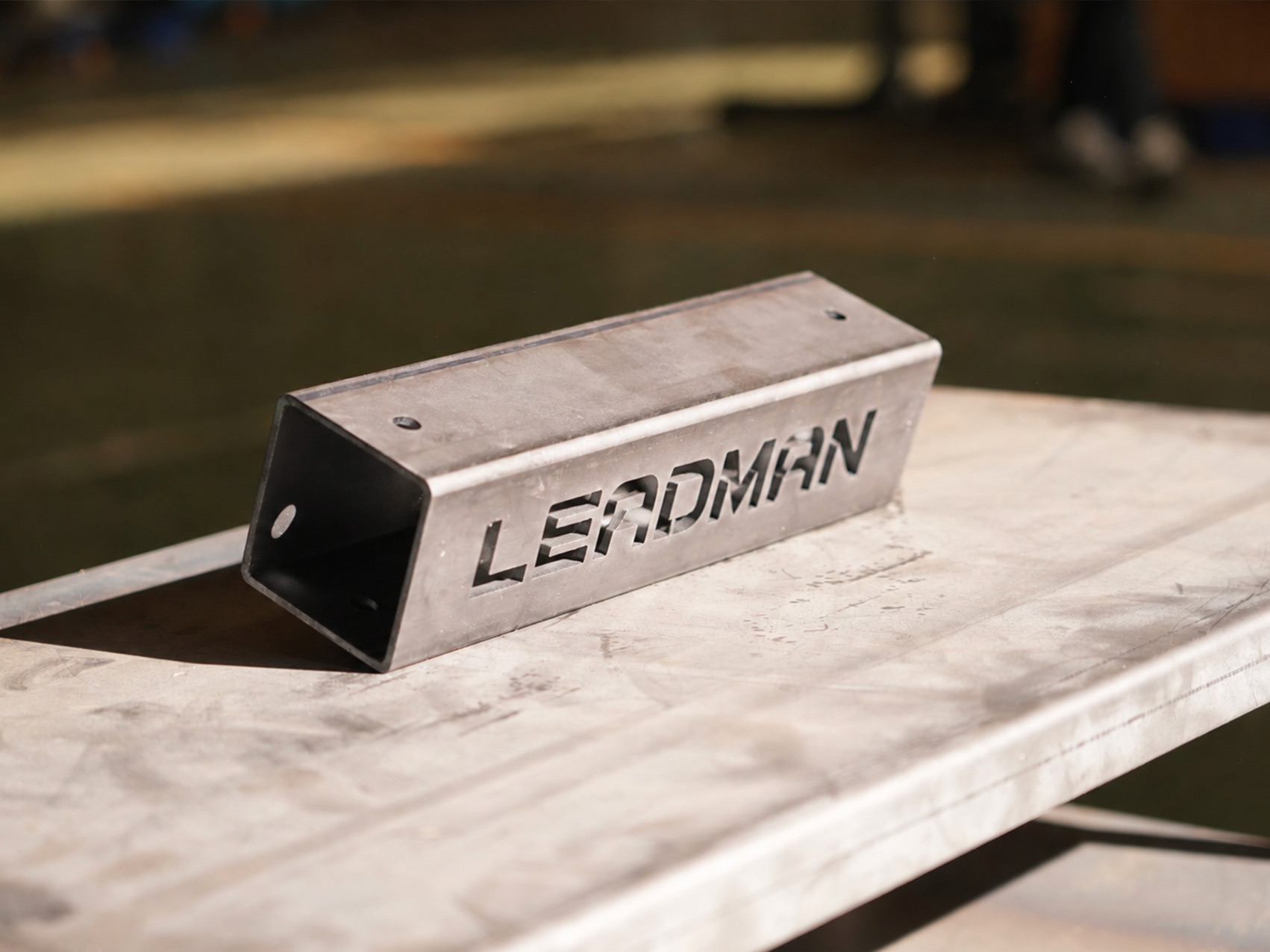
The answer: true customization goes far beyond surface-level changes. When you need your gym's logo cast into power rack uprights, equipment dimensions altered to fit unique spaces, or completely custom structures for your brand's strength zone – this requires breaking away from standard production lines and developing unique solutions for your specific needs.
Custom gym equipment projects typically involve two types of costs:
- Design fees: Converting your concept into manufacturable 3D engineering drawings – ensuring structural integrity, load-bearing capacity, and assembly feasibility
- Tooling/fixture fees: Developing custom molds, stamping dies, or production fixtures for custom logos, non-standard dimensions, or unique structural elements
It is worth noting that many manufacturers offer tooling fees as a "refundable" investment – once your order volume reaches a certain threshold, the tooling cost can be credited toward future purchases. This means customization is not simply "extra spending" – it is a long-term brand asset investment.
Customization does carry a cost premium. Industry practice shows that custom colors and logos typically add 20%-40% to the price, and custom equipment is rarely discounted because it is manufactured to order. As one buyer put it: "If I'm going to use a piece of equipment for ten years, spending a few hundred extra dollars for a configuration I'm truly satisfied with is well worth it."
Professional engineering teams guide the entire process – from initial concept to final execution – with one-on-one support, ensuring every investment translates into high-quality equipment that perfectly matches your facility's identity.
2. How Long Does Custom Equipment Take? – A Complexity-Based Breakdown
"How long will custom equipment take?" This is the second most common question buyers ask.
Custom equipment timelines depend entirely on the complexity of your project. Different types of customization involve vastly different workflows and timelines. Here is a breakdown based on complexity level:
| Complexity Level | Customization Type | Typical Timeline Range | Key Variables |
|---|---|---|---|
| Light | Color changes, stick-on logos, standard dimension adjustments | 45-60 days | Production scheduling, shipping time |
| Moderate | Cast-in logos, dimensional modifications, multi-color schemes | 60-90 days | Tooling modification time, sample approval iterations |
| Heavy | New structural design, custom tooling development, non-standard specifications | 90-150 days | Design iteration cycles, tooling development duration |
Breaking the process down further, here is how each stage contributes to the overall timeline. Please note that all timeframes are estimates – actual timelines must be confirmed based on your specific project requirements:
| Stage | Time Range | Key Factors |
|---|---|---|
| Requirements & Design Confirmation | 1-4 weeks | Requirement clarity, number of design iterations |
| Sampling & Approval | 2-6 weeks | Sample complexity, international shipping time |
| Tooling Development (if required) | 2-8 weeks | Tooling complexity, machining lead time |
| Mass Production | 2-6 weeks | Order quantity, factory production schedule |
| Packaging & Container Loading | 3-7 days | Packaging complexity, vessel schedule |
| Ocean Freight & Port Arrival | 15-40 days | Destination port, shipping route, seasonal factors |
Important timeline notes:
- The above timeframes are estimates – final timelines are confirmed at order placement. Every custom project is unique. Specific schedules are provided by your account manager once requirements are finalized.
- Factory capacity affects production start dates. The factory's current order book directly impacts production scheduling. Check with your account manager about current capacity when planning your project.
- Sample approval is a critical milestone. Faster sample approval means faster production start. Prepare clear feedback in advance to significantly shorten the overall timeline.
To gain a deeper understanding of the complete custom order lifecycle and manufacturer selection framework, we recommend exploring this comprehensive guide to the custom gym equipment ordering process and expert advice on selecting the right custom gym equipment manufacturer.
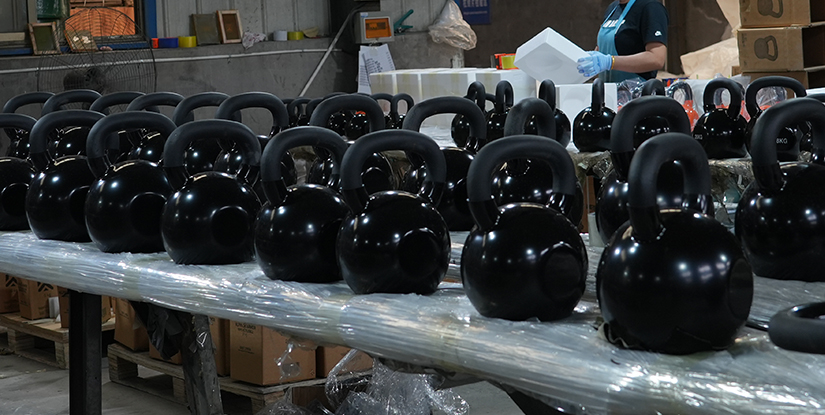
Throughout this entire process, you are never left in the dark. A dedicated account manager provides end-to-end transparency, so at any time, you know exactly which stage your order is in and what is happening next.
3. 3D Visualizations: See Your Custom Gym Before You Commit
One of the biggest concerns buyers have when ordering custom equipment is: "I'm paying for it, but how do I know what the final result will actually look like?"
Professional manufacturers now offer 3D visualization services that let you see exactly how your equipment will look in your space before production begins.
The 3D visualization process typically follows three steps:
Step 1: Concept Discussion. Provide your floor plan dimensions, brand colors, logo files, and equipment list. The design team learns about the atmosphere you want to create.
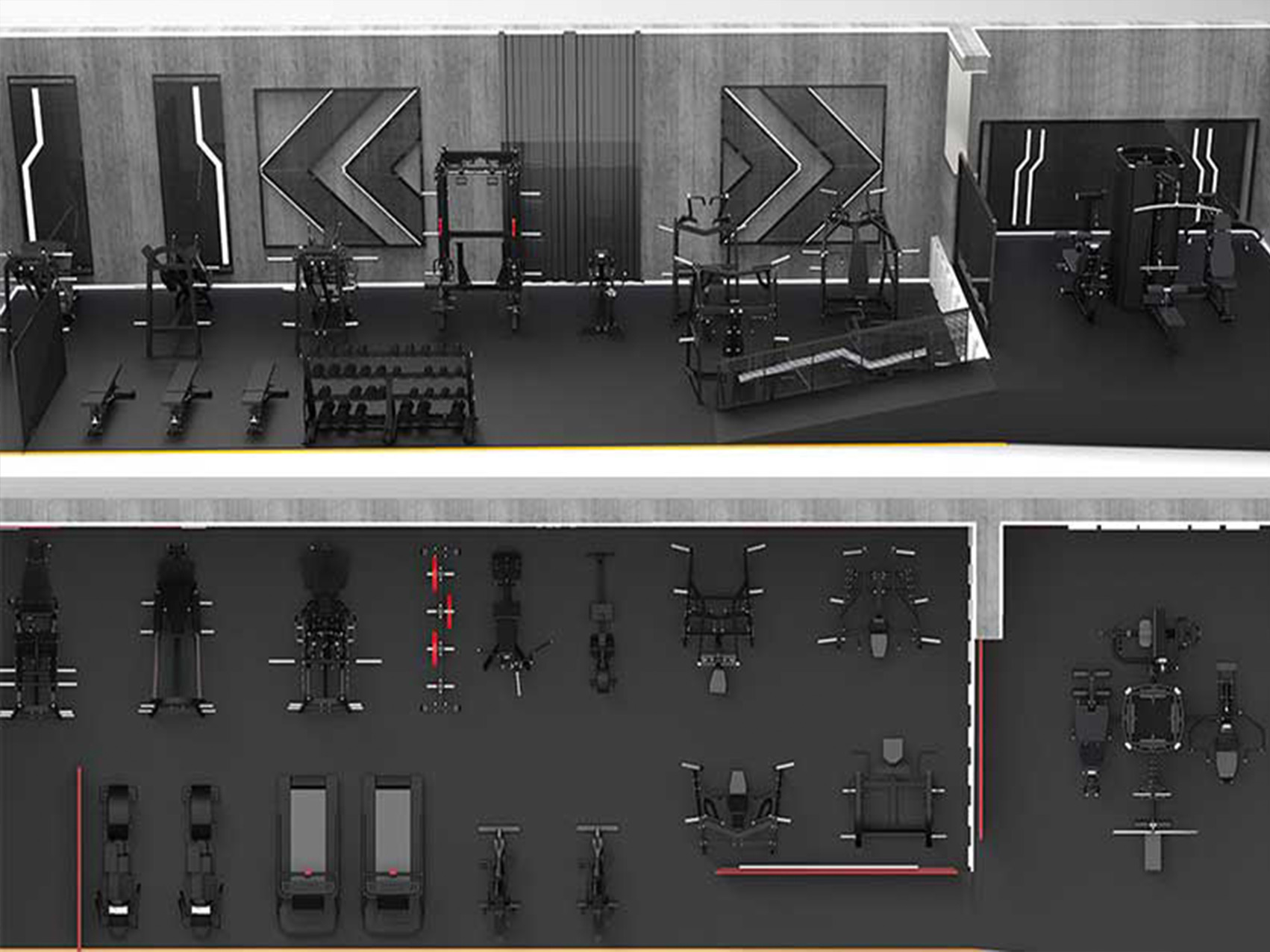
Step 2: 2D Layout Draft. Designers create preliminary floor plans based on your dimensions and usage projections – ensuring logical traffic flow and optimal space utilization.
Step 3: High-Detail 3D Rendering. Using professional 3D modeling software, realistic renderings are generated showing equipment colors, logo placement, and overall spatial feel.
Once you submit your floor plan and confirm requirements, initial 3D renderings are typically delivered within 3-7 days – allowing you to see how custom equipment integrates with your space before production ever starts.
4. Does Customization Affect Safety and Warranty?
When modifying equipment structures or ordering non-standard configurations, buyers' biggest concern is safety: "If the structure is changed, is it still safe? Will warranty coverage be affected?"
Professional manufacturers do not rely on "guesswork" for custom projects. They use structural analysis tools – such as stress simulation software – to analyze custom designs, ensuring every modified component meets commercial safety standards under dynamic loading.
The core principle is "personalization built on safety" – never "personalization at the expense of safety." Every custom project is reviewed by senior structural engineers. Before production begins, stress and load simulations are completed to verify that custom equipment meets rigorous commercial-grade safety standards while fulfilling your specific requirements.
For deeper insights into how customization fundamentally elevates a gym's brand value and market competitiveness, this article analyzing customization and commercial success from a manufacturer's perspective offers valuable industry perspective.
5. Custom Colors, Logos, and Minimum Order Quantities
To perfectly match brand identity, clients frequently ask: "Are custom colors and logos available? Are there minimum order quantity requirements?"
The answer: complete customization of appearance and materials is absolutely feasible. Thousands of color combinations are available – covering everything from metallic powder coatings to leather upholstery finishes.
Regarding MOQ (Minimum Order Quantity), this is a critical concept in customization. In practice, MOQ is often measured by the total order value rather than the quantity of individual products. For example, if you need 5 leg press machines (MOQ of 10) and 8 chest press machines (MOQ of 10), individually each falls short. But if these machines are part of a combined order – say, a total value of $40,000 – manufacturers can typically accommodate the request.
Heavy customization (such as new tooling) carries higher MOQ requirements. Light customization (such as color changes or logo updates on standard products) is more flexible – some even accept orders as small as a single unit.
6. Ongoing Support – Adding Custom Parts Later
After years of gym operation, equipment wear is inevitable. This raises the question: "If custom parts wear out and need replacement, can new parts still match the originals?"
Professional customization services create a dedicated digital archive for every project, recording all custom parameters – color codes, logo specifications, dimensional tolerances. Years later, when replacement parts are needed, the original specifications can be retrieved and produced to match perfectly – no redesign required.
This "one-time customization, lifetime traceability" service system further enhances the long-term value of custom equipment.
Conclusion: Customization Is the Path from Concept to Reality
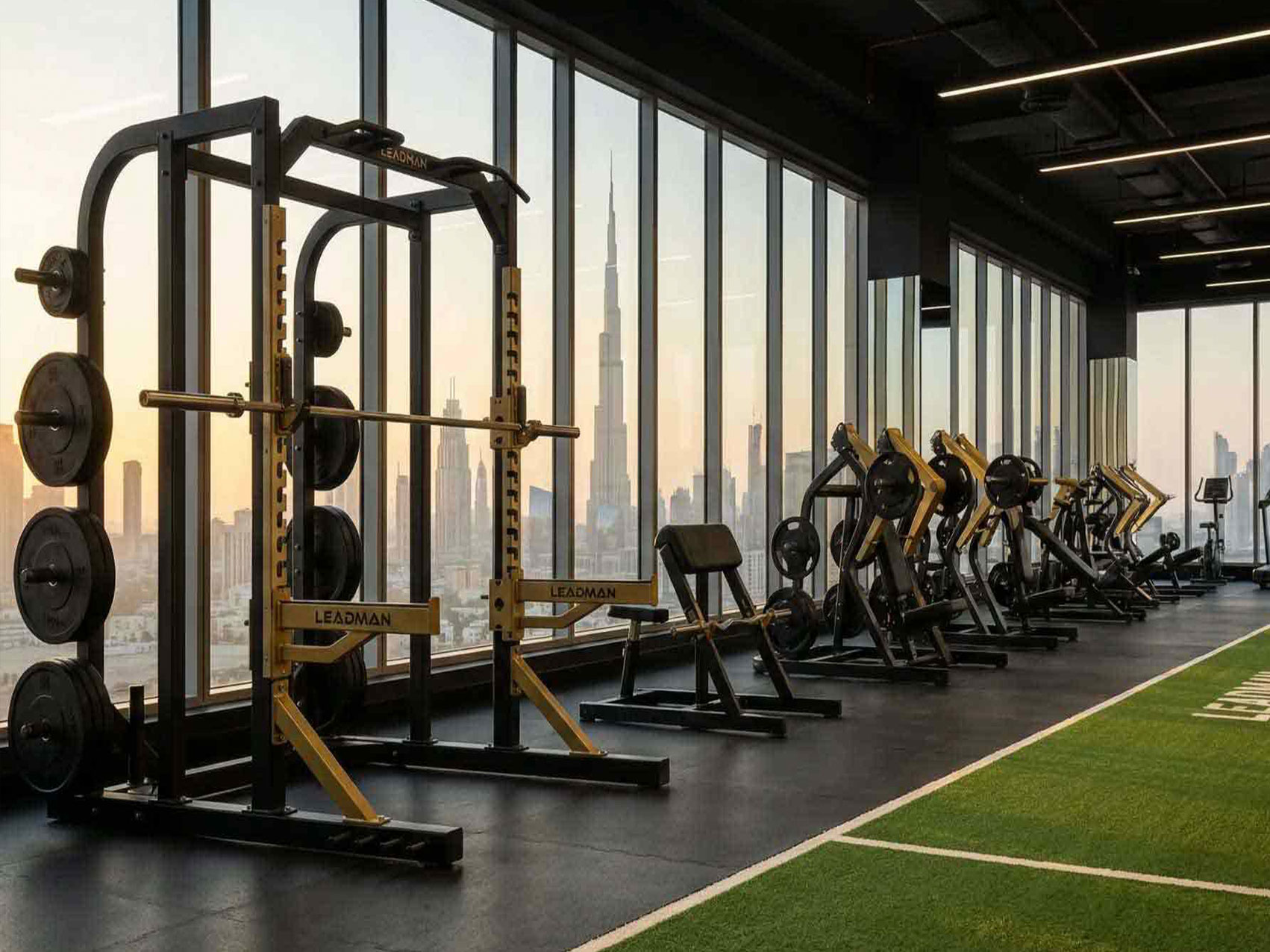
Custom gym equipment is not just "buying things" – it is the process of transforming your brand identity into physical space. From the initial idea to final installation, the core variables are three: cost, time, and results.
On cost, customization carries a premium over stock equipment – but that investment buys brand uniqueness, spatial adaptability, and an elevated member experience. On time, customization requires patience – but that wait delivers quality you can trust. The duration depends entirely on project complexity. On results, 3D visualization technology lets you preview the final outcome before you commit – eliminating guesswork.
If you are ready to transform your brand vision into reality, contact our custom equipment team – start with a sketch, and we will help you bring it to life.