
Rubber, Urethane, or Cast Iron—Choosing Materials for Custom Dumbbells
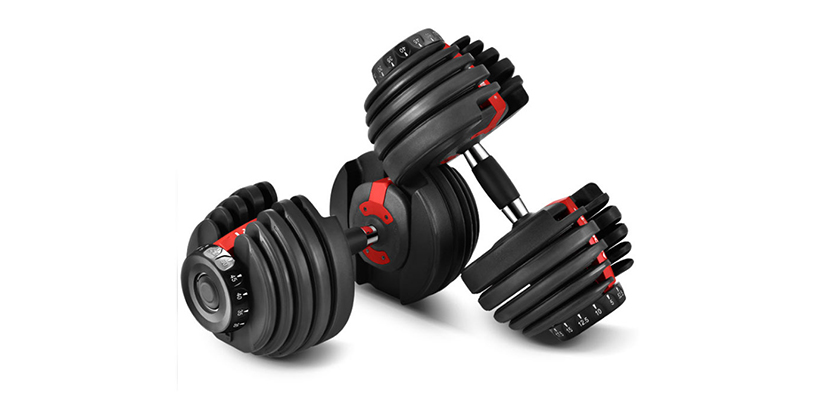
Material Selection Fundamentals for High-Performance Dumbbells
Selecting the appropriate substrate for custom dumbbell manufacturing is not merely a matter of aesthetics; it is a critical engineering decision that dictates the equipment's lifespan, floor impact, and total cost of ownership. Professional facility operators often face the dilemma of whether to prioritize immediate upfront savings or long-term durability. A miscalculation in material selection can lead to premature surface degradation, increased maintenance overhead, or even safety hazards caused by material fragmentation.
When evaluating options like rubber, urethane, or cast iron, one must look beyond the visual finish and analyze the molecular density, impact resistance, and chemical stability of the coating. These technical parameters directly influence how the weight behaves under stress and how it interacts with a gym's flooring systems. Understanding these mechanical properties is the first step in ensuring your investment meets the specific rigors of your training environment.
Identifying Core Operational Pain Points
The two most common issues encountered by procurement specialists are unexpected floor damage and rapid surface wear. For instance, a facility might opt for low-grade rubber to save costs, only to find that the material begins to 'chalk' or fragment after twelve months of heavy use. Similarly, choosing a material with poor impact absorption can lead to structural vibrations that damage high-end rubber flooring. These problems are rarely caused by poor training, but rather by a fundamental mismatch between the material's physical properties and the operational intensity of the facility.
As we move from these general selection criteria into specific material characteristics, it becomes essential to examine how each material behaves under standardized loading and environmental stress.
Technical Analysis of Cast Iron Substrates
Cast iron remains the foundational material for many strength training implements due to its high density and predictable manufacturing process. In the context of custom dumbbell construction, cast iron is typically used either as the bare weight itself or as the core for coated versions. The primary technical advantage of cast iron is its structural homogeneity, which allows for high precision in weight increments.
Structural Integrity and Weight Precision
Because cast iron is poured into molds, it offers excellent consistency in density. This is vital for high-end custom dumbbells where weight tolerance must remain within a strict percentage of the nominal value. However, the lack of a protective coating in raw cast iron presents significant oxidation risks. If the environment lacks humidity control, the material can undergo oxidative stress, leading to surface rust that can damage user hands and weaken the structural integrity over several years.
Cast Iron Failure Modes and Maintenance
A common failure mode in cast iron implements is the development of micro-fractures due to repeated high-impact drops. While the material is inherently strong, the brittleness of iron means it does not possess the elasticity of polymers. Operators should monitor for the following signs of degradation:
- Surface Oxidation: Orange or brown discoloration indicating moisture penetration.
- Chipping: Small fragments breaking off from the edges during impact.
- Weight Drift: Significant loss of precision due to extreme corrosion.
To mitigate these risks, operators should verify that any cast iron components are treated with a high-quality powder coat or a protective sealant. Transitioning from the rigid nature of metal to the elastic properties of polymers reveals a completely different set of engineering challenges.
Evaluating Urethane Coatings for Heavy-Duty Applications
Urethane-coated dumbbells represent the premium tier of strength equipment, specifically engineered for high-traffic commercial environments where durability is non-negotiable. Unlike simpler coatings, high-grade polyurethane offers a chemical bond that is exceptionally resistant to oils, sweat, and common cleaning agents found in modern gyms.
The Mechanics of Urethane Durability
Urethane is a thermoset polymer, meaning that once it undergoes the curing process, it achieves a high level of chemical and thermal stability. This makes it significantly more resilient than standard rubber when exposed to extreme temperature fluctuations or aggressive sanitization protocols. The molecular structure of urethane allows it to absorb a higher degree of kinetic energy, which protects the internal metal core from the shock of a drop.
Urethane vs. Rubber: A Performance Comparison
Deciding between urethane and rubber often comes down to a trade-off between cost and surface longevity. While urethane has a higher initial procurement cost, its lifecycle is significantly longer in professional settings. The following table outlines the key technical differences:
| Feature | High-Grade Urethane | Standard Rubber |
|---|---|---|
| Impact Absorption | Very High (Elastic) | High (Damping) |
| Chemical Resistance | Excellent (Resists Oils/Sweat) | Moderate (May Degrade) |
| Surface Longevity | Superior (Low Wear) | Moderate (Subject to Chalking) |
| Cost per Unit | High | Moderate to Low |
| Aesthetic Finish | Smooth/Glossy/Consistent | Matte/Textured/Variable |
Choosing urethane is an investment in operational continuity. However, if your facility is primarily focused on cost-effective home-use or low-intensity training, the high-density damping of rubber might be the more logical choice. This leads us to a closer look at the most common material in the strength industry.
Explore the complete technical specifications:
The Role of Rubber in Impact Management and Cost Control
Rubber is the most widely utilized material for dumbbell coating due to its unparalleled ability to dampen sound and vibration. In environments where noise reduction is a primary concern—such as multi-use fitness centers or residential gyms—rubber provides a crucial layer of shock absorption that protects both the equipment and the building structure.
Damping Characteristics and Sound Mitigation
Rubber's ability to undergo deformation and return to its original shape (elasticity) allows it to dissipate the energy of an impact through heat and internal friction. This characteristic is essential for minimizing the 'clank' of metal-on-metal and the structural vibration that travels through gym floors. For operators, this translates to a more controlled acoustic environment and reduced fatigue on the facility's subflooring.
Common Rubber Degradation Issues
Despite its benefits, rubber is susceptible to several environmental and mechanical failure modes. A significant issue is 'chalking,' where the polymer breaks down due to UV exposure or chemical reaction, leaving a fine white powder on the surface. Additionally, low-quality rubber can become brittle over time, leading to cracks and surface peeling. Operators should use the following checklist during monthly inspections:
- Tactile Check: Does the surface feel sticky or abnormally dry?
- Visual Inspection: Are there visible cracks or signs of 'blooming' (white powder)?
- Scent Test: Is there a strong, acrid chemical odor indicating polymer breakdown?
If these issues are detected, it usually indicates that the material is either of low grade or has reached the end of its operational lifecycle. Understanding these physical limits is necessary before moving into the final procurement and verification stage.
Explore the complete technical specifications:
Comparative Selection Framework for Procurement Specialists
With the technical profiles of cast iron, urethane, and rubber established, a formal selection framework is necessary to guide the final purchasing decision. The 'best' material is not a universal constant; it is a variable determined by the intersection of your facility's usage profile and your long-term budget constraints.
Decision Matrix for Material Selection
To streamline the decision-making process, use the following matrix to categorize your procurement needs based on three key operational pillars: Intensity, Environment, and Budget.
| Use Case Category | Primary Material Recommendation | Technical Justification |
|---|---|---|
| Elite Performance/Commercial | Urethane | Highest durability and resistance to chemical cleaning agents. |
| High-Volume/High-Impact | Rubber | Superior vibration damping and noise reduction for heavy drops. |
| Budget/Home/Light Commercial | Cast Iron (Bare or Coated) | Highest density-to-size ratio and lowest initial investment. |
| Outdoor/Specialty Environments | High-Grade Urethane | Best resistance to moisture and temperature fluctuations. |
A successful purchase is one where the material's failure points are known and can be managed through a structured maintenance schedule. This brings us to the final, and perhaps most critical, phase of the procurement process: verification.
Explore the complete technical specifications:
Final Verification and Quality Control Standards
Once a material has been selected, the final step is not simply receiving the shipment, but performing a rigorous verification of the technical specifications provided by the supplier. Many facilities fail here by assuming that 'commercial grade' is a standardized term, when in reality, it is often used loosely in the industry.
How to Verify Material Integrity Upon Receipt
Upon delivery of custom dumbbells, an operator should perform three specific technical checks to ensure the product meets the promised specifications. This prevents the 'hidden cost' of receiving sub-standard equipment that fails in the field.
- The Weight Tolerance Test: Use a calibrated digital scale to check a sample of the dumbbells. The weight should be within the manufacturer's stated tolerance (typically +/- 1-3%).
- The Surface Adhesion Test: For coated dumbbells (rubber or urethane), apply moderate pressure with a thumb to a non-visible area. If the coating feels soft or 'gives' excessively, the curing process may have been insufficient.
- The Visual Uniformity Check: Inspect the seam where the coating meets the metal core. A clean, seamless transition indicates high-quality manufacturing and prevents future peeling.
By adhering to these verification protocols, you transition from a reactive buyer to a proactive facility manager. Ensuring that your material choice aligns with your operational reality is the ultimate safeguard for your equipment's longevity and your facility's safety.