
Optimizing Facility Longevity with Pink Rubber Weight Plates
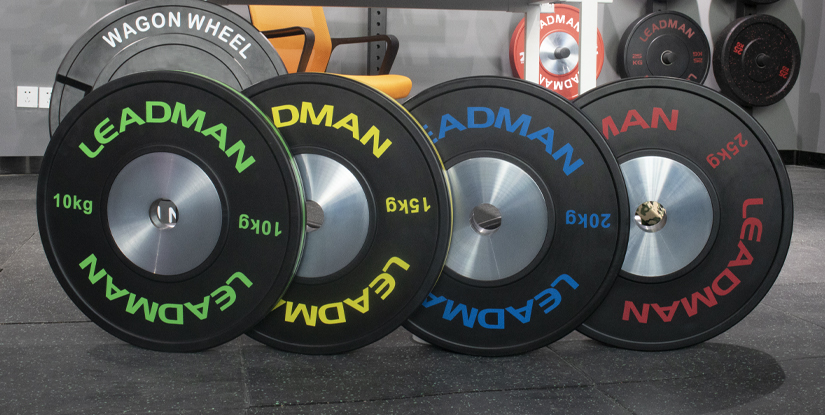
Material Selection and Density Challenges in Pink Rubber Weight Plates
Facility managers often encounter a specific frustration when purchasing color-coded equipment: the rapid degradation of aesthetics and structural integrity. In high-traffic commercial environments, the demand for color-coded systems—often utilized to differentiate weight increments for specific training programs or to enhance facility aesthetics—frequently leads to a trade-off in material quality. The core problem arises when low-grade fillers are used to achieve the desired pink hue, resulting in plates that are prone to cracking, pigment fading, or uneven weight distribution. This technical guide addresses how to mitigate these risks through rigorous material verification and selection protocols.
The fundamental mechanism of failure in colored rubberized equipment is typically related to the ratio of virgin rubber to recycled crumb. While recycled rubber is cost-effective, an excess of low-quality binders can lead to the 'crumbling effect' during high-impact drops. When selecting Pink Rubber Weight Plates, the density and Shore hardness must be consistent throughout the cross-section to ensure the color is not merely a superficial coating that will peel under friction. A superficial color application is a common failure mode where the aesthetic layer separates from the core weight, creating a safety hazard due to structural instability.
| Material Attribute | Low-Grade Specification | Commercial-Grade Specification |
|---|---|---|
| Pigment Integration | Surface coating or dye-dip | Full-depth pigment infusion |
| Crumb Consistency | Variable particle size | Uniform, high-density density |
| Impact Resistance | High brittle fracture risk | Resilient, shock-absorbing profile |
| Color Stability | Rapid UV/Friction fading | High UV and abrasion resistance |
To verify quality during the procurement phase, operators should request technical data sheets that specify the binder-to-rubber ratio and the method of pigment integration. Ensuring the color is part of the composite structure rather than a surface treatment is the first step in long-term asset management. Understanding these material foundations is critical before addressing the operational installation requirements.
Structural Composition and Load-Bearing Integrity
Once the material composition is verified, the focus shifts to the mechanical durability of the plates under repetitive stress. Just as material density dictates aesthetic longevity, the structural composition of the internal core determines how the weight will behave during heavy lifting cycles. A common mistake in facility procurement is overlooking the internal structural reinforcement of colored plates, which can sometimes be less robust than standard black plates due to different manufacturing batches.
The primary mechanism of wear in these plates is oxidative degradation and mechanical fatigue. As the rubber undergoes repeated compression from heavy barbell loading, any air pockets or inconsistent density within the Pink Rubber Weight Plates can lead to permanent deformation. This is particularly problematic in commercial settings where high-frequency usage is the baseline. To prevent this, the plates must meet specific Shore hardness tolerances that allow for both shock absorption and structural rigidity.
Verification of Weight Tolerance and Precision
Operators must implement a verification step during the unboxing of new equipment. A common oversight is assuming that color-coded plates are weight-accurate. Use the following technical checklist for initial quality control:
- Weight Deviation Check: Weigh a sample of five plates from the same batch to ensure deviation is within the < 1% industry standard.
- Diameter Uniformity: Measure the diameter of at least three plates using a caliper to ensure they fit standardized barbell sleeves without excessive wobble.
- Hardness Test: Conduct a qualitative touch test or use a durometer to ensure the density feels consistent across different weight denominations.
By establishing these baseline metrics, a facility can avoid the cascading costs of replacing unevenly weighted or structurally unsound equipment. This durability sets the stage for proper storage and facility layout optimization.
Integration into Flooring and Facility Layouts
Having ensured the plates meet durability standards, the next logistical challenge is how they interact with the facility's flooring systems. The visual appeal of color-coded equipment is often a deliberate choice to create a specific aesthetic zone, but this requires careful consideration of the load-bearing capacity of the underlying floor.
The interaction between the rubber plate and the floor is a critical factor in sound attenuation and vibration control. A failure to align the hardness of the weight plates with the density of the gym flooring can lead to excessive noise and potential damage to the subfloor. For example, using highly dense, non-shock-absorbing plates on a thin rubber matting can lead to subfloor cracking under heavy eccentric loads. The goal is to create a unified system where the plate and the flooring work in tandem to dissipate kinetic energy.
| Scenario | Potential Problem | Required Mitigation |
|---|---|---|
| High-Drop Zones | Subfloor cracking/crushing | Use high-density rubber flooring (20mm+) |
| Aesthetic Training Zones | Noise/Vibration disruption | Match plate density with shock-absorbent matting |
| Narrow Space Layouts | Plate protrusion/Trip hazard | Ensure plate thickness is consistent with barbell sleeve length |
When designing a layout that features Pink Rubber Weight Plates, operators should prioritize zones that allow for the natural movement of the equipment. This includes ensuring sufficient clearance for the barbell and the weight's footprint. A well-integrated layout minimizes the risk of mechanical interference between the plates and the surrounding gym apparatus.
Related reading:
Environmental Factors and Material Degradation
The longevity of colored rubber is not solely dependent on usage, but also on the environment in which the equipment resides. Environmental stressors can act as catalysts for premature degradation, particularly in facilities with uncontrolled climates. Understanding these external variables is essential for maintaining the premium appearance of color-coded sets.
One frequent failure mode occurs in facilities with high humidity or inadequate ventilation. Moisture can penetrate the microscopic pores of the rubber, leading to internal swelling or the promotion of organic growth if the binder quality is low. Additionally, temperature fluctuations can cause the rubber to expand and contract. For Pink Rubber Weight Plates, extreme thermal cycles may lead to 'surface checking,' where micro-cracks appear on the exterior, dulling the vibrant pink hue and making the surface more susceptible to dirt accumulation.
- Humidity Threshold: Aim to maintain relative humidity below 60% to prevent material softening.
- Temperature Range: Ideal storage and usage temperatures should ideally stay between 15°C and 25°C.
- Light Exposure: Avoid placing highly colored equipment in direct sunlight or near high-output UV lighting, which can bleach pigments.
Mitigating these environmental risks involves more than just placement; it requires a disciplined maintenance schedule to preserve the material's integrity. Even the highest quality rubberized equipment requires routine care to prevent premature aging.
Related reading:
Maintenance Protocols for Aesthetic Longevity
Successful integration requires more than just correct placement; it demands a disciplined maintenance schedule to preserve the material's integrity. Even the highest quality rubberized equipment requires routine care to prevent premature aging caused by environmental factors and improper cleaning agents.
The most frequent mistake in commercial gym maintenance is the use of caustic cleaning chemicals that strip the protective binders from the rubber. This leads to the 'chalking' effect, where a fine white powder forms on the surface of the plate, eventually leading to structural brittleness. To prevent this, facilities should adopt a standardized cleaning protocol that focuses on pH-neutral solutions and mechanical cleanliness.
- Routine Inspection: Conduct a monthly visual audit for signs of cracking, pigment loss, or irregular surface texture.
- Cleaning Procedure: Use only mild, non-abrasive detergents and a damp cloth to remove sweat and dust.
- Storage Protocol: Store plates in a temperature-controlled environment to avoid extreme heat-induced expansion or cold-induced brittleness.
Consistent adherence to these protocols ensures that the aesthetic value of the equipment remains a high-performing asset rather than a maintenance burden. Once the maintenance routines are established, the final step is identifying when a plate has reached its end-of-life stage.
Related reading:
Troubleshooting and Replacement Indicators
Despite rigorous maintenance and high-quality selection, all commercial equipment eventually reaches a point of obsolescence or failure. Knowing how to distinguish between a superficial issue and a structural failure is essential for maintaining a safe training environment.
A critical diagnostic distinction must be made between surface-level discoloration and structural compromise. A surface-level issue might be a slight fading of the pink pigment due to UV exposure, whereas a structural failure would manifest as a visible crack or a loss of dimensional stability. If the plates are no longer maintaining their shape or if the weight deviation exceeds the initial 1% threshold, the equipment must be decommissioned immediately. Failure to do so can lead to uneven loading on barbells, which creates a significant safety risk for the user and potential damage to the barbell itself.
| Observation | Potential Cause | Action Required |
|---|---|---|
| White Powder/Chalking | Improper cleaning/Chemical damage | Re-evaluate cleaning agents immediately |
| Edge Cracking/Chipping | High-impact fatigue/Low density | Replace the unit; check flooring thickness |
| Uneven Weight Distribution | Material/Density inconsistency | Audit the entire batch for weight tolerance |
| Pigment Fading | UV exposure/Surface abrasion | Relocate to a lower-light or lower-friction zone |
When a replacement is necessary, the procurement process should start by revisiting the selection criteria outlined in the initial material assessment. This creates a loop of continuous improvement for the facility's equipment cycle. By mastering these diagnostics, facility managers ensure that their colored equipment remains a professional and safe component of their fitness environment.