
Optimizing Selection and Usage of Small Weight Plates For Dumbbells
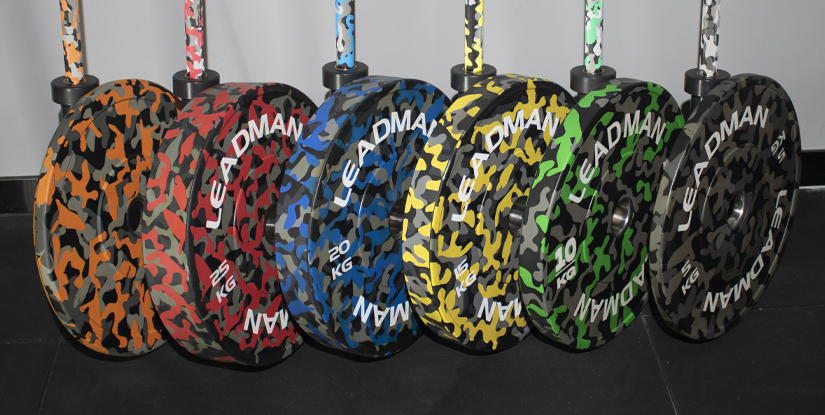
The Precision Fallacy in Fractional Increment Loading
A common misconception among facility operators is that the mass of a weight plate is the only metric that dictates performance. In high-end commercial settings, however, the assumption that all Small Weight Plates For Dumbbells are functionally identical leads to significant mechanical imbalances. When operators select plates based solely on nominal weight without considering tolerance levels, they often encounter the problem of 'unbalanced sets,' where a pair of dumbbells fails to provide a symmetric load during unilateral movements.
The cause of this imbalance is rarely a manufacturing error in a single plate, but rather a lack of standardized manufacturing tolerances across different production batches. A plate labeled 1.25kg might deviate by several grams, which, when paired with an unevenly weighted dumbbell handle, creates a rotational torque that can lead to wrist strain or dropped loads. To mitigate this, professionals must verify weight consistency using calibrated digital scales before integrating new stock into a rotation. Establishing a baseline for weight variance is the first step in ensuring equipment reliability.
Once the fundamental understanding of weight tolerance is established, the focus must shift toward the physical construction and durability of the plate itself.
Material Selection and Structural Integrity of Fractional Plates
Building on the necessity of weight precision, operators must evaluate the core material composition to ensure long-term durability. Many purchasing managers fall into the trap of selecting the lowest-cost option, failing to realize that the material choice dictates the lifecycle of the entire dumbbell assembly.
Cast Iron vs. Rubber-Coated Options
The choice between raw cast iron and rubber-encapsulated plates involves a trade-off between thermal stability and impact absorption. While cast iron is highly durable, it is prone to chipping and can be abrasive to high-end gym flooring. Rubber-coated plates offer superior impact resistance but may suffer from 'skinning' or coating delamination if the bonding process was substandard. When selecting Small Weight Plates For Dumbbells, the following parameters should be evaluated:
- Core Material: Cast iron for high density; polyurethane for maximum impact resistance.
- Coating Type: Vulcanized rubber is preferred for commercial longevity over simple paint coatings.
- Edge Profile: Beveled edges are essential to prevent snagging during rapid weight changes.
Selecting the wrong material often results in premature replacement costs and increased floor damage. Understanding these material properties allows for more informed procurement, setting the stage for understanding the critical role of the center bore.
The Critical Role of Center Bore Diameter and Fitment
After determining the material, the next technical hurdle is the interface between the plate and the dumbbell bar. A common failure mode in commercial gyms is the 'wobble effect,' caused by a mismatch between the plate's center bore and the dumbbell handle's diameter. If the bore is too large, the plate will oscillate during use, creating an unpredictable center of gravity.
| Bore Type | Primary Use Case | Common Issue | Verification Method |
|---|---|---|---|
| Standard (1-inch) | Home/Light Commercial | Loose fit on heavy bars | Measure with calipers |
| Olympic (2-inch) | Heavy Dumbbell Bars | Excessive vibration | Visual check for gap |
| Precision-Fit | High-End Performance | Difficult loading/unloading | Feel for smooth rotation |
Operators should verify the fit by loading a single plate and checking for lateral movement. A loose fit is not just a nuisance; it is a mechanical instability that can lead to injury. This precision in fitment must be matched by the quality of the surface finish to ensure smooth rotation.
Related reading:
Surface Finish and Friction Coefficients in High-Traffic Environments
The physical texture of the plate surface directly impacts how easily a user can load and unload the dumbbell. In a professional facility, time is a non-renewable resource, and slow loading speeds decrease member throughput. The cause of slow loading is often a high friction coefficient caused by poor surface finishing or excessive texture.
A high-quality plate should feature a smooth, non-porous surface. If the surface is too textured, it may trap chalk or sweat, increasing the difficulty of handling. Conversely, a surface that is too smooth may result in the plate slipping during rapid movements. A professional should look for plates with a consistent 'Shore hardness' profile, ensuring that the material remains resilient under temperature fluctuations. This leads us to the essential task of regular inspection and maintenance protocols.
Routine Maintenance Checklist for Plate Longevity
To avoid the sudden failure of equipment, a rigorous inspection cadence is required. Neglecting the maintenance of even the smallest components can lead to significant liability. Use the following checklist for monthly inspections:
- Oxidation Check: Inspect cast iron plates for signs of rust or surface degradation.
- Coating Integrity: Check rubberized plates for cracks, peeling, or separation from the core.
- Bore Inspection: Verify the center hole remains circular and free of deformities.
- Weight Verification: Spot-check a random selection of 5% of the inventory on a calibrated scale.
Following these steps prevents the most common failure modes related to material degradation. With a clean and maintained inventory, the focus shifts toward the safety and ergonomic aspects of use.
Related reading:
Ergonomic Impact and User Safety Standards
The final layer of professional equipment management involves analyzing how the physical dimensions of the plates impact the user. A plate that is too wide for its weight—even if the weight is correct—can drastically alter the dumbbell's balance point, moving the center of mass too far from the user's grip. This is a common error when mixing different brands of Small Weight Plates For Dumbbells.
The Physics of Dumbbell Balance
When plates are too thick, the dumbbell becomes 'top-heavy' or 'bottom-heavy' depending on the bar length, changing the moment of inertia. This can cause the dumbbell to rotate unexpectedly during lateral raises or curls. To ensure safety, procurement managers should aim for a 'uniform thickness' profile across a single brand or series of plates. This ensures that the weight distribution remains predictable across the entire range of available increments.
| Ergonomic Factor | Risk if Neglected | Operational Fix |
|---|---|---|
| Width-to-Weight Ratio | Erratic rotation during movement | Standardize plate thickness across sets |
| Edge Smoothness | Hand/Wrist fatigue | Select beveled-edge designs |
| Grip Clearance | Reduced range of motion | Ensure plates do not obstruct the handle |
By prioritizing these ergonomic standards, facility operators can minimize the risk of user injury and improve the overall training experience. Maintaining this standard requires a holistic approach to both procurement and daily operation.
Related reading:
Storage Optimization and Environmental Control
Proper storage of Small Weight Plates For Dumbbells is often overlooked in the procurement lifecycle. Improper storage can lead to premature degradation of both the metal and the coating. For example, storing rubber-coated plates in areas with extreme temperature fluctuations can accelerate the delamination process due to the different expansion rates of the metal core and the outer coating.
To maintain inventory integrity, facility managers should implement the following storage protocols:
- Humidity Management: Maintain a controlled environment to prevent oxidation in unpainted metal plates.
- Stacking Limits: Avoid excessive vertical stacking of fractional plates which can deform the center bore over time.
- Vertical vs. Horizontal: Utilize specialized racks that allow for easy access without repetitive lifting of heavy stacks.
A well-organized storage system not only preserves the lifespan of the equipment but also improves the efficiency of the facility's daily workflow. Effective storage is the foundation of long-term asset protection.
Related reading:
Long-Term Lifecycle Management and ROI
Ultimately, the selection of small weight plates is an exercise in long-term cost management. While low-cost, low-tolerance plates might save capital in the first year, the cumulative costs of replacement, floor damage, and potential liability far outweigh the initial savings. A professional procurement strategy focuses on the Total Cost of Ownership (TCO) rather than the initial purchase price.
To maximize Return on Investment (ROI), operators should prioritize equipment that offers high wear resistance and standardized dimensions. This ensures that as the facility grows, new additions will integrate seamlessly with existing stock without requiring a complete overhaul of the dumbbell sets. The transition from purchasing individual units to managing a cohesive ecosystem of high-quality components is the hallmark of a professional facility.