
Contents of a CrossFit Box Equipment Package: A Procurement Expert's Guide
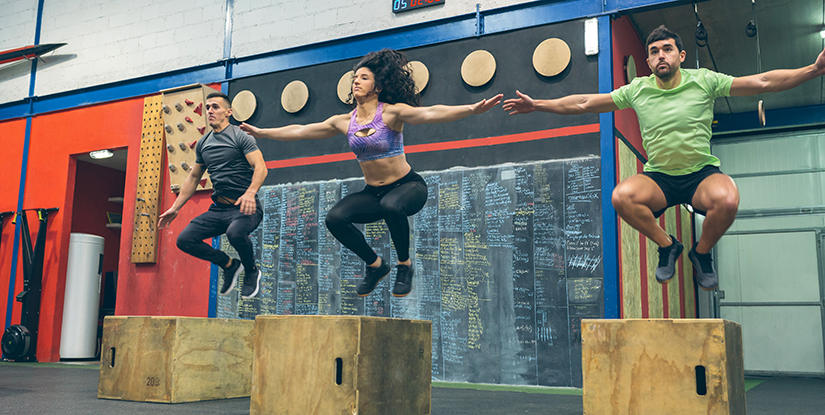
Most new gym owners enter the market with a dangerous assumption: that a standard gym setup is synonymous with a CrossFit-capable environment. They often procure high-quality fitness machines only to realize six months later that their facility lacks the structural capacity for high-intensity functional movements. A true Contents of a CrossFit Box Equipment Package is not merely a collection of weights; it is a synchronized ecosystem of heavy-duty steel, specialized rubber, and high-tolerance mechanical components designed to withstand multi-directional force and repetitive high-impact loading.
From a procurement standpoint, the failure to differentiate between 'fitness equipment' and 'functional fitness equipment' leads to premature metal fatigue, broken welding points, and excessive replacement costs. This guide serves as a technical baseline for operators to verify equipment specifications before a single dollar is spent.
The Fundamental Discrepancy in Strength Training Hardware
The primary mistake in equipment procurement is failing to distinguish between standard bodybuilding equipment and the high-impact requirements of a functional training box. A standard weight bench may look identical to a high-performance plyometric bench, but the load-bearing tolerances and structural stability differ significantly under the dynamic stresses of functional training.
Material Composition and Durability Standards
When evaluating a package, you must look beyond the aesthetic and focus on the material grade. Commercial-grade equipment should prioritize high-tensile steel and reinforced welding. A common failure mode is the use of thin-walled tubing in power racks, which leads to bowing or structural failure during heavy cleans or snatches.
- Steel Gauge: Aim for a minimum of 11-gauge steel for structural uprights.
- Welding Quality: Ensure full-penetration welds rather than surface-level beads to prevent cracking under vibration.
- Finish Type: Powder coating is standard, but high-friction textured finishes are preferred for grip stability.
Verifying the gauge and weld quality is the first step in avoiding the high replacement costs associated with low-tier packages. Once the structural integrity of the steel is confirmed, the operator must shift focus toward the moving parts that dictate the smoothness of movement.
Essential Dynamics of the Weightlifting Inventory
A professional-grade package must center on specialized weightlifting equipment that can handle high-velocity rotations. Standard dumbbells or cheap weight plates will fail the longevity test in a high-frequency training environment due to poor balance and low-grade bearings.
Barbell and Bumper Plate Specifications
The barbell is the heart of the box. If the knurling is too aggressive, it causes skin abrasion; if it is too smooth, it fails to provide grip during heavy lifts. Similarly, bumper plates must be made of high-density virgin rubber to ensure they do not crack or bounce unpredictably when dropped.
| Component | Standard Specification | Failure Mode to Avoid | Verification Method |
|---|---|---|---|
| Olympic Barbell | High-tensile steel with calibrated knurling | Permanent bowing/bending | Weight tolerance within +/- 1% |
| Bumper Plates | High-density virgin rubber | Cracking or uneven bounce | Uniform thickness and weight check |
| Weight Collars | High-friction locking mechanism | Slippage during heavy lifts | Smooth engagement of locking lever |
Identifying these technical parameters ensures that your inventory remains functional under the highest intensity. However, the durability of the weights is only as effective as the surfaces they strike, making the flooring selection a critical secondary consideration.
The Critical Role of High-Impact Flooring Systems
Many operators treat flooring as an afterthought, yet the floor is the most significant depreciating asset in a CrossFit environment. Standard rubber mats often lack the density required to dampen the vibration and shock of dropped barbells, which can lead to structural damage to the building's foundation and constant equipment breakage.
Density and Thickness Requirements
To protect both the equipment and the subfloor, an appropriate package must include high-density vulcanized rubber. This is not just about comfort; it is about energy dissipation. A common error is purchasing thin gym tiles that crack within months of heavy barbell usage.
- Minimum Thickness: 15mm to 20mm for high-traffic lifting areas.
- Density: High-density rubber to reduce structural vibration.
- Seam Integrity: Interlocking or taped seams to prevent tripping hazards.
When the floor is properly spec'd, the lifespan of your weightlifting gear extends significantly. Moving beyond the ground level, we must address the upright structures that support the weight overhead.
Explore the complete technical specifications:
Structural Integrity of Rig and Pull-Up Stations
The rig is the most expensive and permanent part of a Contents of a CrossFit Box Equipment Package. Because it serves as the anchor for multiple movements—including gymnastics, heavy lifting, and suspension training—its tolerance for lateral force is much higher than standard racks.
Rig Stability and Mounting Logic
A common failure occurs when rigs are not properly anchored or lack sufficient cross-bracing. This results in 'sway,' which is not only a safety risk but also an annoyance that degrades the user experience. A professional rig should be modular yet incredibly rigid.
| Feature | Requirement | Why It Matters |
|---|---|---|
| Bracing | Integrated X-bracing or knee braces | Prevents lateral sway during muscle-ups |
| Upright Diameter | 3-inch (75mm) or larger | Increates weight-bearing capacity |
| Accessory Compatibility | Standardized hole spacing (e.g., 2-inch spacing) | Allows for future upgrades/attachments |
By ensuring the rig is modular and heavily braced, you future-proof your facility against changes in programming. This structural stability provides the foundation for the more specialized, mobile equipment that follows.
Explore the complete technical specifications:
The Versatility of Mobile and Bodyweight Equipment
Once the heavy infrastructure is set, the focus shifts to functional movement tools that provide variety and scalability. This includes items that facilitate gymnastics, metabolic conditioning, and bodyweight mastery.
Essential Components for Gymnastics and Conditioning
A complete package should not overlook the high-utility items that allow for a wide range of metabolic conditioning (MetCon)-style workouts. This includes pull-up bars, rings, and specialized training tools.
- Gymnastic Rings: Should be made of wood for better grip and sweat absorption compared to plastic.
- Plyometric Boxes: Must be either heavy-duty wood or high-density foam to prevent injury during jumps.
- Battle Ropes: Requires high-density nylon or polyester to prevent fraying and maintain weight.
Selecting higher-quality materials for these tools—like wooden rings over plastic—improves the user experience and reduces the frequency of replacement. As the facility grows, the need for more specific strength-training tools will become apparent.
Dumbbell and Kettlebell Specification Standards
<Balancing Weight and Grip Ergonomics
In a high-speed training environment, the ergonomics of a dumbbell or kettlebell can make the difference between a successful rep and an injury. Low-grade dumbbells often suffer from uneven weight distribution, which can cause wrist strain during unilateral movements.
Common Procurement Mistake: Purchasing cheap cast-iron kettlebells with uneven handles. The handles should be smooth, ergonomically shaped, and consistent in diameter to ensure a safe grip under fatigue. For dumbbells, rubber-encased heads are preferred to minimize damage to the floor and the equipment itself when dropped during high-intensity intervals.
The precision required in these tools is an indicator of the overall quality of the equipment package. With the mobile tools accounted for, the operator must finally address the systematic maintenance required to keep everything operational.
Operational Maintenance and Inspection Protocols
Procuring a high-quality Contents of a CrossFit Box Equipment Package is only half the battle; the other half is the rigorous maintenance schedule required to maintain safety and ROI. Equipment in a functional training setting undergoes significantly more wear and tear than in a standard commercial gym.
The Daily and Weekly Inspection Checklist
Failure to inspect equipment regularly is the leading cause of preventable injuries. Operators should implement a standardized verification process to catch small issues before they become catastrophic failures.
- Daily: Visual check for loose bolts on rigs and bent barbell sleeves.
- Weekly: Testing the tension of any hanging equipment (rings, straps) and checking the integrity of floor seams.
- Monthly: Lubricating barbell bearings and inspecting the rubber density of bumper plates.
A systematic approach to maintenance ensures that your high-cap-ex equipment reaches its full lifespan. By understanding these technical requirements, you move from being a simple buyer to a professional facility operator.
Conclusion: The Long-Term Value of Technical Precision
A successful CrossFit facility is built on the reliability of its hardware. By focusing on material grades, structural tolerances, and rigorous maintenance protocols, you avoid the common pitfalls of cheap procurement that lead to broken equipment and unsafe environments. Invest in high-tensile steel, high-density rubber, and standardized accessories to ensure your facility remains a high-performance training ground for years to come.