
Optimizing Facility Longevity with a Rubber Barbell Weight Set
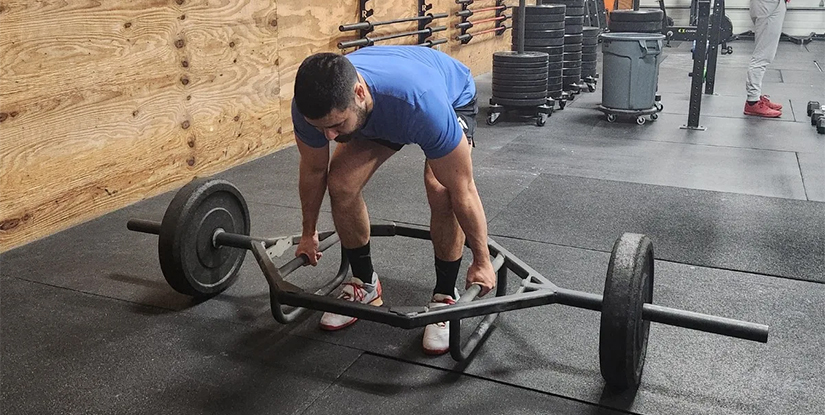
Facility operators frequently encounter the same degradation patterns: chipped coatings, uneven weight distribution, and excessive floor impact noise. These issues often stem from a failure to distinguish between high-grade commercial equipment and lower-tier fitness gear. Selecting a professional-grade Rubber Barbell Weight Set is not merely a purchase of weight; it is a strategic decision regarding the long-term maintenance lifecycle of your strength training zone. A properly chosen set reduces the frequency of replacement cycles and protects the structural integrity of your gym flooring.
Selection Criteria for Professional Grade Rubberized Weights
Before committing capital to a new inventory of plates, an operator must understand the technical nuances that differentiate high-density rubber from standard composites. The primary concern is the material composition and the method of attachment to the steel core. If the rubber is poorly bonded, the set will suffer from delamination during heavy lifts, creating an immediate safety hazard.
Density and Shore Hardness Standards
A professional-grade set should utilize high-density virgin rubber rather than recycled tire crumb, which often contains inconsistent impurities. The Shore hardness of the rubber dictates how much shock the plate absorbs and how much vibration is transferred to the barbell. A higher density ensures that the center of gravity remains stable even during high-velocity movements like cleans or snatches. If the hardness is too low, the plates may deform under heavy load; if it is too high, the impact noise on the gym floor becomes a constant complaint from nearby occupants.
Technical Comparison: Material Quality vs. Operational Impact
| Material Type | Durability Profile | Typical Use Case | Risk Factor |
|---|---|---|---|
| Virgin High-Density Rubber | Extreme; minimal deformation | Commercial Strength Training | Higher initial capital cost |
| Recycled Rubber Composite | Moderate; prone to cracking | Light Commercial/Home Gym | Inconsistent weight distribution |
| Standard Polyurethane | High; excellent color retention | Premium Fitness Clubs | May be too rigid for heavy drops |
Understanding these material distinctions allows you to establish a baseline for quality that goes beyond aesthetics. Once the material properties are understood, the focus must shift to how these weights interact with the barbell itself.
Barbell and Plate Interface Tolerances
Even the highest quality Rubber Barbell Weight Set will fail if the interface between the plate and the barbell is poorly managed. A common failure mode in facility management is the mismatch between plate inner diameters and the barbell sleeve diameter. When the fit is too loose, the plates rattle excessively, leading to accelerated wear on the barbell sleeves and unpredictable movement during lifting.
Precision Sizing and Centering Mechanisms
Operators should verify that the inner diameter (ID) of the plates is machined to tight tolerances. A common mistake is assuming all "standard" plates fit all "standard" bars. In high-performance environments, a slight discrepancy can lead to the weights shifting during a lift, which may cause the barbell to tilt and throw the athlete off balance. Verification involves a manual check: the plate should slide onto the sleeve with minimal lateral play but should not require excessive force to seat properly.
The Role of the Steel Core in Load Bearing
The internal steel ring that supports the weight of the rubber is the true backbone of the plate. If the steel ring is too narrow or the rubber is too thick relative to the core, the plate may experience 'edge wobble' when dropped. Ensure that the steel core extends sufficiently toward the edges of the plate to provide a stable center of gravity. This stability is essential for maintaining the calibration of the weight across different loading configurations.
With the mechanical interface secured, the next priority is managing the environmental and physical impact of the equipment on the facility.
Related reading:
Mitigating Floor Load and Impact Vibration
The longevity of your Rubber Barbell Weight Set is inextricably linked to the quality of the surface upon which it is used. Dropping heavy weights creates a kinetic energy transfer that travels through the equipment and into the building's subfloor. Without proper mitigation, this energy can cause micro-cracks in concrete or loosen the fasteners in structural flooring systems.
Assessing Impact Absorption Requirements
A common operator error is failing to account for the 'rebound' effect of high-density rubber. While rubber is excellent at absorbing sound, it does not entirely eliminate the low-frequency vibration that can travel through a building. To verify your setup, drop a standard weight from a low height (approx. 5cm) and observe the vibration intensity on a nearby surface. If the vibration is sustained, you likely need higher-density gym flooring to complement your rubberized weight set.
Implementation Checklist for Weight Zones
- Verify that the floor under the weight lifting station is a dedicated high-impact zone.
- Check for any air gaps between the gym flooring and the subfloor that might amplify noise.
- Ensure the barbell bar is dropped on a level, even surface to prevent lateral torque on the floor.
- Measure the thickness of the flooring; high-density weights often require at least 20mm-30mm of rubberized flooring.
By stabilizing the environment, you protect both the equipment and the facility. This leads naturally to the requirement for a strict maintenance and inspection regime.
Related reading:
Routine Inspection and Maintenance Protocols
A professional-grade set requires less frequent replacement if a structured inspection cadence is followed. Rather than waiting for a failure to occur, facility managers should implement a monthly audit of the Rubber Barbell Weight Set to detect early signs of degradation. Most issues are preventable through simple, proactive care.
Identifying Common Failure Modes
Operators should look for three specific signs of wear: delamination, scent changes, and diameter shifts. Delamination occurs when the rubber begins to peel away from the steel core, often caused by improper heat exposure or poor manufacturing. A distinct 'burnt rubber' smell can also indicate that the material is being subjected to excessive friction or temperature fluctuations. Lastly, check for diameter shifts—if a plate's inner diameter has widened due to wear, it will no longer sit securely on the barbell sleeve.
Preventative Maintenance Checklist
| Inspection Point | Detection Method | Recommended Action |
|---|---|---|
| Plate Surface Integrity | Visual check for cracks or peeling edges | Remove from rotation immediately |
| Steel Core Alignment | Manual check for lateral wobble | Replace plate to prevent sleeve damage |
| Cleanliness & Residue | Tactile check for tacky surfaces | Clean with pH-neutral cleaner |
Consistent monitoring ensures that your investment continues to provide high utility without unexpected downtime. However, even the best-maintained equipment requires a clear understanding of its limits to ensure user safety.
Related reading:
Safety Thresholds and Load Capacity Limits
While rubberized weights are designed for durability, they are not indestructible. A critical aspect of facility operation is understanding the threshold where the Rubber Barbell Weight Set moves from high-performance utility to a safety liability. Overloading or improper usage can lead to structural failures that are difficult to detect through visual inspection alone.
Verifying Weight Calibration Accuracy
Over time, the weight of a plate can change due to material loss or environmental factors. In a commercial setting, an inaccuracy of even 1-2% can be problematic for professional athletes or strict training programs. To verify calibration, use a high-precision digital scale to weigh a single plate and compare it to the stamped weight. If the discrepancy exceeds the manufacturer's tolerance, the set should be re-evaluated for accuracy across the entire inventory.
Managing Excessive Impact and Drop Altitudes
Rubberized plates are designed to withstand standard drops, but they are not intended for uncontrolled, high-altitude falls from extreme heights. Such actions can cause the internal steel core to shift or the rubber to fracture. Operators should establish clear guidelines for staff and members regarding the 'controlled drop' technique, ensuring that weights are released with control rather than being forcefully thrown, which preserves the lifespan of both the weight set and the barbell.
Related reading:
Storage and Environmental Controls for Longevity
The final pillar of equipment management is how the Rubber Barbell Weight Set is stored when not in use. Environmental variables such as humidity and temperature fluctuation can significantly impact the structural integrity of the rubber coating and the internal steel core.
Optimizing Storage Environments
Storing weight sets in unconditioned spaces (such as outdoor sheds or non-climate-controlled garages) can lead to accelerated oxidation of the steel core or degradation of the rubber. High humidity levels can cause moisture to seep into the interface between the rubber and the steel, leading to rust that expands and eventually cracks the rubber from the inside out. Aim for a storage area with consistent temperature and low moisture levels to ensure the set remains in peak condition for years.
Weight Rack Configuration and Organization
An organized facility is a safe facility. When storing your rubberized plates, avoid stacking them in ways that create uneven pressure on the bottom plates. A common mistake is creating tall, unstable stacks that can tip over during a minor vibration. Instead, utilize dedicated vertical plate trees or heavy-duty weight racks. This organization not only prevents physical damage to the plates but also allows for much faster visual inspections during your monthly maintenance audits.
Maintaining these standards is the hallmark of a professional facility. As equipment technology evolves, staying informed on these operational fundamentals remains the best way to safeguard your capital investment.