
Optimizing Functional Fitness Equipment: A Technical Procurement and Maintenance Guide
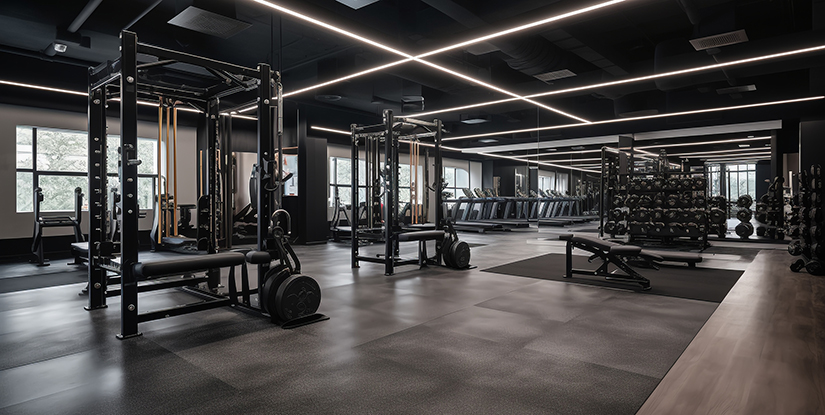
Selecting Durable Functional Fitness Equipment for Commercial Facilities
Professional gym operators often encounter a significant gap between consumer-grade fitness gear and the high-intensity requirements of a commercial environment. The primary pain point is not just the initial purchase cost, but the rapid degradation of mechanical components under high-volume usage. Selecting the correct Functional Fitness Equipment requires a transition from aesthetic-based buying to specification-based procurement. Instead of looking at how a piece of equipment looks in a showroom, operators must evaluate the load-bearing capacity, the quality of the steel gauge, and the mechanical simplicity of the movement patterns.
A common mistake is failing to distinguish between 'home use' and 'commercial grade' certifications. While a home user might utilize a piece of equipment once or twice a day, a commercial facility demands gear capable of continuous, heavy-duty cycles. To avoid premature replacement cycles, procurement managers must focus on structural integrity and material density. Once the selection criteria are established, the focus must shift toward the physical environment where this gear will reside, specifically the floor and the spatial layout.
Key Selection Parameters for Heavy-Duty Gear
| Feature | Standard/Commercial Grade | Consumer/Home Grade | Verification Method |
|---|---|---|---|
| Steel Thickness | 11-gauge or higher | 14-gauge to 16-gauge | Check manufacturer spec sheet for gauge |
| Welding Type | Full-penetration/Continuous | Tack or spot welding | Visual inspection for consistent bead integrity |
| Weight Capacity | High dynamic load ratings | Static load limits only | Review certified load-bearing documentation |
| Moving Parts | Sealed bearings/Bushings | Plastic/Dry bushings | Manual rotation test for friction resistance |
Establishing these technical benchmarks during the procurement phase ensures that the foundational assets of your facility can withstand the rigor of daily training. This structural readiness leads directly into the necessity of a robust flooring and layout strategy.
Designing Layouts for Movement and Safety
Selecting high-quality equipment is only the first step; placing it correctly within a facility is where many operational failures occur. A common problem in functional training zones is the lack of adequate 'clearance zones' around dynamic equipment like kettlebells, battle ropes, or sleds. When users lack sufficient space, they often strike walls, pillars, or other users, leading to both equipment damage and liability issues. The cause is frequently an over-ambitious layout that prioritizes equipment density over user safety and movement range.
To prevent these issues, operators should implement a 'buffer zone' methodology. This involves calculating the maximum extension of a piece of equipment—such as the full swing radius of a heavy slam ball or the length of a battle rope—and adding a minimum of 3 feet of clearance. Without this buffer, the risk of structural impact against walls or adjacent racks increases significantly. Furthermore, understanding the impact of equipment weight on the building's substrate is vital for long-term facility integrity.
Spatial Management Checklist
- Dynamic Range: Measure the widest possible movement path of the tool (e.g., a barbell during a snatch).
- Collision Buffers: Ensure a minimum 1-meter clearance between high-velocity items and stationary racks.
- Ceiling Height Clearance: Verify that overhead movements (like wall balls) do not risk contact with lighting or fire suppression systems.
- Traffic Flow: Create distinct paths for users to walk around active training zones to prevent cross-interference.
By formalizing these spatial requirements, you mitigate the risk of accidental damage. However, even the best layout cannot protect the floor from the kinetic energy of heavy functional training without the right surface intervention.
Mitigating Impact Damage with Specialized Flooring
The heavy, high-impact nature of functional movements—such as dropping heavy barbells or slamming medicine balls—creates a direct threat to your facility's subfloor. A frequent failure mode in commercial gyms is the cracking of concrete slabs or the damage to underlying heating/cooling systems due to insufficient shock absorption. The cause is an underestimation of the 'impulse force' generated by heavy loads hitting a rigid surface. If you do not invest in high-density Functional Fitness Equipment flooring, your maintenance costs will sky much higher than the initial savings of cheaper mats.
Effective shock absorption is a balance between Shore hardness (durability) and impact attenuation (protection). If a floor is too soft, it will feel unstable for complex movements; if it is too hard, it will not protect the subfloor or the equipment. Operators must select flooring based on the specific kinetic energy of the most intense movement in that zone.
Material Density and Usage Scenarios
| Training Type | Recommended Flooring Type | Key Metric to Verify | Failure Mode if Improper |
|---|---|---|---|
| Heavy Lifting/Power | High-density Vulcanized Rubber | Min. 15mm thickness | Cracking of subfloor/Concrete damage |
| HIIT/Agility | Modular Rubber Tiles | Shore Hardness/Density | Surface unevenness/Trip hazards |
| Medicine Ball/Slam | Multi-layer Impact Mats | Impact Absorption Rating | Surface tearing/Equipment bounce-back |
| Sled Drags/Towing | Turf or Reinforced Rubber | Tear Resistance | Surface fraying/Equipment snagging |
Selecting the correct surface ensures that the equipment performs as intended without destroying the facility. Once the floor is secured, the focus must turn to the mechanical components that interact with it most frequently.
Related reading:
Routine Inspection Protocols for Moving Parts and Load-Bearing Racks
Once your equipment is installed and the floor is prepared, the focus shifts from procurement to preservation. A critical failure mode in many facilities is the 'set and forget' mentality regarding rack and barbell maintenance. As users engage in high-intensity functional training, the cumulative stress on bolts, welds, and bearings can lead to catastrophic failures. A loose bolt in a weight rack might seem minor, but under dynamic loads, it can lead to structural instability or total collapse.
The root cause of these failures is usually a lack of a standardized inspection cadence. For commercial-grade equipment, a visual check is insufficient. You must perform tactile and mechanical tests to verify the integrity of the hardware. This involves checking the torque of every fastener and the smoothness of every pivot point regularly.
The Mechanical Integrity Inspection Routine
Operators should implement a tiered inspection schedule to catch issues before they become safety hazards. This ensures that the Functional Fitness Equipment remains a reliable asset rather than a liability.
- Daily: Visual sweep for loose parts, torn upholstery, or bent bars.
- Weekly: Tactile check of all grip surfaces and tensioning of cables (if applicable).
- Monthly: Comprehensive torque audit of all bolts and a check for weld fractures using a flashlight.
- Quarterly: Deep cleaning of mechanical parts to remove grit and re-lubrication of pivot points.
Regularly verifying these mechanical standards prevents the gradual 'loosening' of a facility's structural integrity. However, even a perfectly maintained rack can be undermined by improper weight distribution and loading errors.
Related reading:
Preventing Structural Fatigue through Correct Loading Techniques
Even the highest-rated equipment can suffer from accelerated fatigue if it is consistently used outside its design parameters. A common issue in functional training environments is the uneven loading of barbells or the misuse of adjustable racks. When a user places a heavy load on one side of a barbell, it creates a rotational torque that the rack or the barbell itself may not be engineered to handle over long durations. This leads to permanent bending or 'set' in the metal.
The cause is often a lack of user education or a failure to provide clear instructional signage. To mitigate this, operators should focus on both equipment limitations and user behavior. This includes providing visual cues for weight capacity and ensuring that adjustable components are fully engaged before use.
Common Loading Errors and Countermeasures
| Problematic Behavior | Technical Result | The Fix/Countermeasure |
|---|---|---|
| Uneven Barbell Loading | Twisting/Torque on Rack uprights | Mandatory use of collars/clips on all lifts |
| Improper Sled Loading | Overloading the front/back axis | Standardized weight-loading protocols |
| Rapid Weight Dropping | Impact vibration on uprights | Strict use of high-density floor mats |
| Partial Pin Engagement | Unstable barbell platform | Visual 'lock' indicators on all adjustable pins |
By addressing these loading patterns, you extend the life of your hardware significantly. This proactive approach leads to the final stage of operational excellence: identifying and solving the subtle signs of wear before they require replacement.
Related reading:
Identifying Early Warning Signs of Mechanical Wear
Waiting for a part to break is a reactive approach that increases downtime and costs. A sophisticated operator looks for the subtle, early warning signs that indicate a component is nearing its end-of-life. Identifying these signs requires a combination of sensory observation—listening for new sounds, feeling for new vibrations, and seeing new textures—and data-driven tracking. For example, a change in the sound of a cable machine is a definitive indicator of friction-related wear.
The cause of these signs is almost always a combination of friction, fatigue, or environmental factors (such as dust or moisture). By recognizing these precursors, you can transition from emergency repairs to planned maintenance, which is far more cost-effective.
Sensory Indicators of Equipment Decline
- Acoustic: Squeaking, grinding, or rattling in moving parts or pulleys.
- Tactile: Unusual vibration in the floor when a machine is in use or 'sluggish' movement in a resistance band.
- Visual: Fraying of cables, discoloration of steel (indicating rust), or chipped powder coating on uprights.
- Olfactory: The smell of overheating or burning (common in electric-powered or high-friction resistance machines).
Recognizing these cues allows for timely intervention. With a clear understanding of how to spot wear, the next step is to document and implement a permanent solution to ensure consistent performance.
Related reading:
Standardizing Maintenance Documentation and Life-Cycle Tracking
The final piece of a professional operation is the transition from individual maintenance tasks to a standardized life-cycle management system. Many facility managers struggle with the 'invisible' decline of their assets because they do not track the history of each piece of equipment. Without documentation, it is impossible to know if a specific piece of Functional Fitness Equipment is a frequent offender for repairs, suggesting it may be a low-quality model or is being misused.
The solution is to maintain a centralized digital or physical log for every major asset in the facility. This log should track the purchase date, the last service interval, any reported issues, and the replacement projection. This data-driven approach transforms maintenance from a chore into a strategic asset management tool.
Asset Life-Cycle Log Components
A professional-grade log should include the following categories to provide a complete picture of equipment health:
- Asset ID & Specifications: Model name, serial number, and steel gauge/weight capacity.
- Maintenance History: Dates of lubrication, bolt torque audits, and cable replacements.
- Incident Report Log: Documentation of any malfunctions or user-related damage.
- Total Cost of Ownership (TCO): Tracking the cost of all repairs against the initial purchase price to determine the ROI.
A disciplined approach to tracking ensures that you are never caught off-guard by a sudden failure. This documentation also becomes invaluable when it comes time for a full-facility upgrade or when presenting equipment health reports to stakeholders.
Related reading:
Future-Proofing the Facility: Trends in Equipment Durability
As the industry evolves, the focus is shifting from pure strength to 'smart' durability. The next generation of equipment is integrating sensors that can monitor load distribution and movement smoothness in real-time. While this may seem futuristic, the underlying principle is the same as the mechanical checks discussed: identifying problems before they cause failure. Understanding these trends allows you to make procurement decisions that remain relevant for the next decade.
The core philosophy remains constant: durability is a product of material quality, smart design, and rigorous maintenance. Whether you are managing a boutique studio or a large-scale commercial gym, the principles of structural integrity and proactive care will always yield the highest return on investment.