
Benefits of a Functional Training System: A Strategic Procurement and Implementation Guide
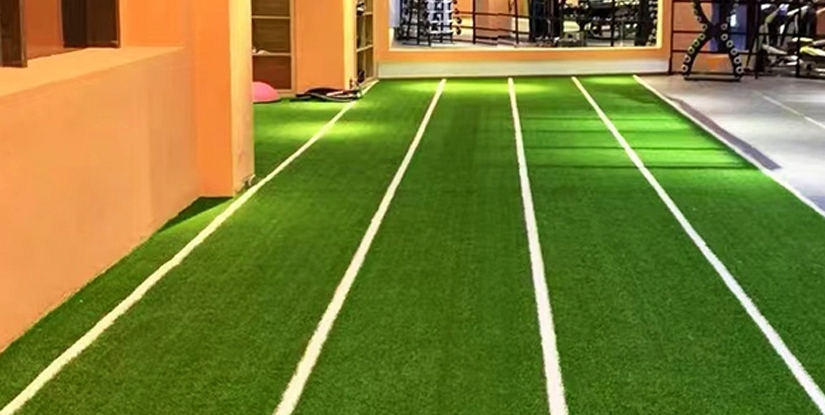
Facility operators and high-end fitness entrepreneurs often face a specific dilemma: the inefficiency of fragmented equipment. A gym filled with disparate, single-purpose machines creates significant spatial bottlenecks and limits the versatility of the training floor. This fragmentation leads to poor floor-plan utility and a lower perceived value for members seeking comprehensive movement training. Transitioning to a unified functional training system resolves these spatial inefficiencies by consolidating multi-planar movement tools into a single, integrated footprint. This guide explores the structural and operational advantages of these systems to assist in long-term capital expenditure decisions.
Addressing Spatial Inefficiency via Integrated Training Platforms
The primary problem in modern fitness facility design is the high cost per square meter relative to the utility provided by fixed-path machines. When equipment is isolated, the 'dead space' between units often becomes unusable for dynamic movements. A functional training system solves this by providing a centralized hub for varied modalities—such as suspension training, cable work, and weight storage—within a controlled perimeter.
Implementing a system requires understanding the difference between a basic rack and a professional-grade functional station. A professional system integrates multiple attachment points and adjustable resistance mechanisms. To verify if a system solves your spatial problem, calculate the 'Utility-to-Footprint Ratio' (UFR). If a single station can replace three separate machines (e.g., a cable row, a pull-up bar, and a weight tree), the ROI on floor space increases significantly.
By stabilizing the footprint through integrated design, operators can maximize training density without sacrificing safety. This architectural foundation is essential before moving into the specific mechanical advantages of the hardware.
Mechanical Versatility and Kinetic Chain Optimization
Beyond spatial savings, the core technical advantage lies in the ability to target the kinetic chain through multi-planar movement. Traditional strength machines operate on a single plane (sagittal), which can lead to functional imbalances. In contrast, a functional training system is designed to facilitate lateral and rotational stability.
Common Failure Mode: Underutilizing Adjustability
A frequent mistake among facility managers is purchasing high-end systems but failing to provide the necessary modular attachments. A system without a diverse range of cables, bands, and specialized grips becomes a glorified squat rack. To ensure maximum kinetic benefit, the system must offer resistance changes in multiple planes of motion.
| Feature Category | Traditional Machine Focus | Functional System Focus |
|---|---|---|
| Movement Plane | Sagittal (Linear) | Multi-planar (Sagittal, Frontal, Transverse) |
| Resistance Type | Constant/Fixed Path | Variable (Cables, Bands, Gravity) |
| User Adaptability | Static/Fixed | Highly Dynamic/Modular |
| Core Engagement | Isolated/Supported | Integrated/Stabilization-Required |
Proper implementation ensures that the equipment adapts to the user, rather than the user being forced into a machine's predetermined path. Once the mechanical advantages are understood, the focus must shift toward the long-term durability of these complex components.
Explore the complete technical specifications:
Durability Standards and Material Selection Criteria
Because functional systems involve moving parts, cables, and varying load points, the material science behind the construction is a critical decision factor. A low-grade system will show signs of mechanical fatigue and aesthetic degradation within 18 months of heavy commercial use.
When evaluating procurement specifications, look for high-gauge steel tubing and reinforced weld points. The tensioning systems, particularly cables and pulleys, are the most vulnerable components. A professional-grade system should utilize aircraft-grade steel cables with protective coatings to prevent fraying and corrosion.
Key Material Checkpoints for Procurement
- Steel Gauge: Minimum 11-gauge or 12-gauge steel for main uprights to prevent bowing under lateral load.
- Pulley Systems: Aluminum or high-strength composite pulleys with precision bearings to ensure smooth motion.
- Powder Coating: High-durability electrostatic finishes that resist sweat-induced oxidation.
- Attachment Hardware: Stainless steel or galvanized steel bolts to prevent rust in high-humidity environments.
Selecting the correct materials prevents the 'death by a thousand cuts' scenario, where minor component failures lead to significant downtime. However, high-quality materials require a rigorous maintenance cadence to remain compliant with safety standards.
Operational Maintenance and Inspection Protocols
A functional training system's lifespan is directly proportional to the rigor of its maintenance schedule. Because these systems are modular, a single point of failure—such as a frayed cable or a loose bolt—can render the entire station unusable or even unsafe.
Maintenance Checklist for Facility Operators:
- Daily Visual Inspection: Check for obvious cable fraying, loose attachments, and surface moisture.
- Weekly Torque Verification: Use a calibrated wrench to check the tightness of all structural bolts and mounting hardware.
- Monthly Lubrication: Apply specialized lubricant to pulley bearings and guide rods to prevent friction-based wear.
- Quarterly Load Testing: Inspect all resistance bands and suspension points for micro-tears or loss of elasticity.
If an operator notices a 'jerking' sensation during cable movement, this is an immediate signal of bearing fatigue or cable irregularity. Failure to address these small issues leads to costly total-unit replacements. Consistent monitoring ensures that the technical benefits of the system are preserved over time.
Safety Verification and Liability Mitigation
From a risk management perspective, the complexity of a functional training system introduces more variables than a static machine. Operators must implement strict verification protocols to mitigate liability. The movement of heavy loads through varying planes increases the risk of unpredicted weight shifts.
One common mistake is failing to define 'usage zones.' A functional station often has a larger 'active radius' than its physical dimensions suggest. Operators should verify that the clearance zone around the system is consistently clear of secondary equipment and that flooring is sufficiently shock-absorbent to manage lateral forces.
| Risk Factor | Potential Cause | Mitigation/Verification Step |
|---|---|---|
| Unstable Load Shift | Improperly secured attachments | Mandatory daily check of all carabiner and pin locks. |
| Cable Snapping | Material fatigue/Lack of lubrication | Strict monthly cable inspection and documented replacement cycles. |
| Structural Sway | Inadequate floor anchoring | Verify bolt tension and floor mounting stability every 90 days. |
A well-documented safety log is the best defense against operational negligence. With safety protocols established, the final stage is calculating the long-term value proposition of the investment.
Long-Term ROI and Facility Scaling Strategies
The ultimate benefit of a functional training system is not just the physical training it provides, but the scalability of the investment. Unlike single-purpose machines that become obsolete as fitness trends shift, functional systems are inherently adaptable. A new attachment or a different resistance modality can refresh the station's utility without a full system replacement.
When calculating ROI, do not merely look at the initial purchase price. Factor in the 'Versatility Multiplier.' A system that can facilitate 50 different exercises is more valuable than five machines that only perform 10 exercises each, especially when accounting for the cost of maintenance, floor space, and staff training. A versatile system also allows for higher membership retention as it attracts a broader demographic of athletes and general fitness enthusiasts.
Economic Longevity and Lifecycle Management
To maximize the economic lifespan of your functional training system, you must view it as an evolving asset rather than a static purchase. As training methodologies evolve—for instance, shifting from traditional weight-based resistance to high-intensity interval-based suspension training—your system should be able to pivot without requiring structural changes.
A crucial decision parameter for procurement is the availability of modular upgrades. When sourcing, ask whether the frame can accommodate future attachment generations. A system that is 'future-proofed' with standardized mounting points ensures that your capital expenditure remains productive for a decade rather than just a few seasons. This adaptability is a key component of scaling a boutique fitness studio into a larger-scale wellness center.
In conclusion, while the initial capital outlay for an integrated system may be higher than purchasing isolated equipment, the long-term gains in spatial efficiency, member versatility, and equipment longevity provide a superior return. Strategic procurement, rigorous maintenance, and a focus on high-quality material specifications are the pillars of a successful implementation.