
Optimizing Performance with Olympic Rubber Grip Plates
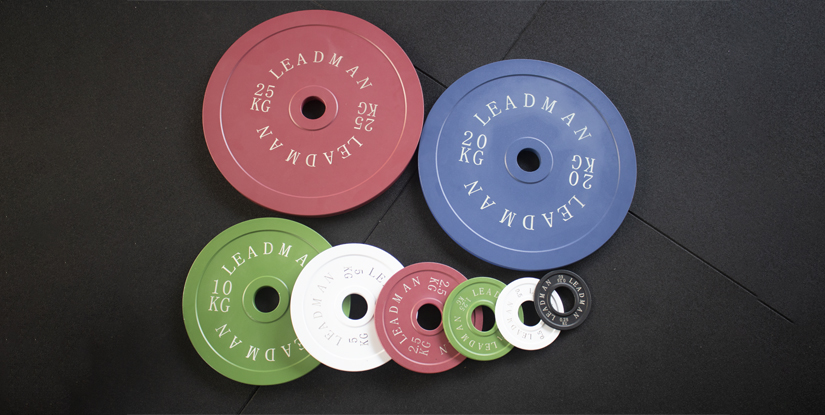
Mitigating Vibration and Impact Damage in Commercial Settings
Facility operators often face a recurring issue where standard weight plates cause excessive noise and structural vibration during high-intensity training. This isn't just a nuisance; the constant kinetic energy transferred to the floor can lead to premature degradation of subflooring and even structural fatigue in surrounding equipment. The primary driver of this degradation is insufficient shock absorption and poor density control in the weight plates themselves. Utilizing high-quality Olympic Rubber Grip Plates acts as a critical first line of defense, absorbing impact energy before it reaches the foundation. By selecting plates with optimized Shore hardness, operators can significantly extend the lifespan of their gym flooring and reduce the 'clatter' that defines low-quality lifting environments. Understanding these impact dynamics is the prerequisite for selecting the correct material density for your facility.
| Material Type | Impact Absorption | Durability Rating | Typical Use Case |
|---|---|---|---|
| Standard Cast Iron | Low | High | Static strength training |
| Basic Rubber Coated | Medium | Medium | General fitness clubs |
| High-Density Rubber Grip | High | Very High | Professional weightlifting hubs |
| Polyurethane Coated | Extreme | High | High-traffic commercial gyms |
Once the impact mitigation strategy is established, the next critical factor is the physical interface between the user and the plate—specifically, the ergonomic reliability of the grip handles.
Evaluating Ergonomic Integrity and Grip Reliability
A common failure mode observed in commercial lifting environments is the degradation of the peripheral grip handles. When Olympic Rubber Grip Plates are subjected to repeated heavy loading and environmental exposure, the integrity of the handle area can diminish, leading to slippery surfaces or physical deformities. This often occurs because of low-grade rubber blends that lack UV resistance or those that react poorly to human perspiration and skin oils. A compromised grip is a safety hazard that increases the risk of dropped weights and hand injuries. Operators must verify the tactile consistency of the grip during procurement. A high-quality plate should maintain a uniform, non-slip texture even when slightly damp, and the handles should be integrated into the plate structure rather than being thin, external attachments. This structural unity ensures that the center of gravity remains stable during rapid movement. Effective grip management, however, is only as good as the dimensional precision of the center hole itself.
Common Grip Failures to Monitor
- Surface Slickness: Caused by low-grade synthetic fillers that leach oils when warm.
- Handle Deformation: Resulting from thin-walled mold injections that cannot support high torque.
- Textural Erosion: Occurs when high-friction surfaces are worn down by abrasive cleaning chemicals.
With the grip mechanics understood, we must turn our attention to the precision of the loading interface: the central bore diameter.
Related reading:
Dimensional Tolerance and Loading Smoothness
The friction between a barbell and the weight plate is a subtle but decisive factor in lifting fluidity. A major pain point for professional lifters is 'stuttering' or uneven loading, where the plate does not sit perfectly flush on the barbell. This is frequently caused by poor dimensional tolerances in the center bore of the weight plates. If the inner diameter is too tight, loading becomes a cumbersome chore; if it is too loose, the plate can wobble excessively, creating dangerous kinetic imbalances during complex movements. High-grade plates are manufactured to strict tolerance ranges to ensure a smooth transition from the floor to the bar. When auditing your inventory, you should check for the presence of 'chatter'—the sound of metal hitting the inner rim of the hole during movement. Consistent, smooth loading is a hallmark of professional-grade equipment. Maintaining these tolerances requires a rigorous inspection of the central mounting point, which leads directly into essential maintenance protocols.
The Centering Benchmark Checklist
| Metric | Acceptable Range (Standard) | Failure Indicator |
|---|---|---|
| Bore Diameter Variance | ± 0.5mm | Irregular edges or 'stepping' |
| Axial Centering | Centered within 1mm | Weight shifts to one side when static |
| Edge Smoothness | Seamless transition | Sharp burrs or uneven beveling |
Ensuring the plates remain within these functional benchmarks requires a proactive approach to cleaning and storage, preventing the buildup of debris that compromises performance.
Related reading:
Preventing Material Degradation through Proper Maintenance
Even the most robust Olympic Rubber Grip Plates are subject to environmental degradation if neglected. The most frequent mistake made by facility managers is the use of harsh, petroleum-based cleaners on the rubber surface. These chemicals can break down the polymer chains, leading to a phenomenon known as 'chalking,' where the rubber becomes brittle and starts to shed fine dust. This dust not only ruins the aesthetic of the gym but also creates a slip hazard on the floor. Instead, a mild, pH-neutral soap solution should be used for routine cleaning. Furthermore, storage conditions play a massive role in long-term durability. Storing rubber plates in extreme temperature fluctuations or direct sunlight can accelerate the loss of elasticity, making the plates prone to cracking or permanent deformation. By implementing a structured cleaning and storage regimen, you ensure that the high-density properties of the rubber remain intact over many years of heavy use.
Environmental Control Parameters
- Temperature Range: Maintain stable indoor climates to prevent thermal expansion/contraction cycles.
- UV Exposure: Avoid prolonged exposure to sunlight to prevent rubber oxidation.
- Chemical Protocol: Only use non-abrasive, water-based cleaning agents.
- Tier 1 (Visual): Check for surface cracks, missing chunks of rubber, or significant discoloration.
- Tier 2 (Tactile): Feel for unevenness in the grip and any 'soft spots' in the density.
- Tier 3 (Mechanical): Load the plate onto a barbell and check for any lateral wobble or irregular friction.
- Center of Gravity: Ensure plates are loaded evenly on both sides of the barbell.
- Floor Support: Confirm that the weight plates are being used on appropriate shock-absorbing flooring.
- Load Limits: Verify that the total weight on the bar does not exceed the barbell's structural rating.
A disciplined maintenance schedule preserves the integrity of the plates, which in turn allows for a more predictable inspection cycle when checking for mechanical wear.
Structural Inspection Protocols for Facility Operators
A systematic inspection is the only way to prevent catastrophic equipment failure. For commercial gym owners, the goal is to identify subtle signs of wear before they become safety violations. The inspection process should be divided into three distinct tiers: visual, tactile, and mechanical. Visual inspections catch obvious issues like cracks or discoloration; tactile inspections identify changes in surface texture or grip loss; and mechanical inspections involve checking the bore fit on a standard barbell. A critical failure mode often missed is the 'delamination' of the rubber from the internal weight core. This is especially common in lower-quality plates where the bonding process was insufficient. If you notice the rubber edge peeling or feeling detached from the internal weight, that plate must be decommissioned immediately to prevent user injury. Regularity is key: a monthly deep-dive inspection is the industry standard for high-volume commercial facilities.
The Three-Tiered Inspection Method
Following these steps ensures that the equipment remains a reliable asset rather than a liability, setting the stage for a long-term return on investment.
Maximizing ROI through Strategic Procurement
When purchasing equipment, the lowest initial price often leads to the highest total cost of ownership. A common error is prioritizing weight-per-dollar over material specifications. In a high-traffic gym, cheap rubber plates will deteriorate rapidly, requiring frequent replacement and causing indirect costs through floor damage and user dissatisfaction. To maximize ROI, procurement managers should look beyond the weight and focus on the technical data sheets. Verify the Shore hardness, the quality of the internal core (cast iron vs. steel), and the specific construction of the grip handles. A slightly higher upfront investment in premium rubberized plates will pay for itself through reduced replacement cycles and lower facility maintenance costs. The goal is to buy equipment that can withstand the realities of a professional training environment without constant intervention.
Procurement Decision Matrix
| Focus Area | Low-Cost Approach (Risk) | High-ROI Approach (Recommended) |
|---|---|---|
| Material Quality | Generic rubber blends | High-density, UV-stabilized rubber |
| Construction | External handles/attachments | Integrated, molded-in grip structures |
| Total Cost | Low initial price; high replacement rate | Stable price; long-term durability |
Understanding these purchasing dynamics allows you to select gear that aligns with your long-term operational goals, rather than just immediate budget constraints.
Operational Safety and Weight Distribution Realities
Safety in a lifting environment is a product of both human behavior and equipment reliability. Even with high-quality plates, improper loading can lead to dangerous imbalances. Operators should train staff and members to recognize that weight distribution is not just about the total mass, but about how that mass is centered on the bar. A slightly off-center plate can create a rotational moment that is difficult to control during high-speed lifts. This is why the precision of the center bore, which we discussed earlier, is so vital. Beyond the plates, facility owners must ensure that the barbell-plate system is used within its design parameters. For example, while high-density plates are excellent at absorbing shock, they do not eliminate the need for proper floor mats in high-impact zones. A comprehensive safety strategy integrates high-quality equipment with a properly designed environment.
Safety Verification Checklist
By marrying high-spec equipment with rigorous safety protocols, you create a professional-grade training environment that minimizes risk and maximizes performance.
Future-Proofing Your Facility's Weight Standards
The evolution of fitness technology is moving toward even more durable and specialized materials. As training methods become more explosive and high-intensity, the demand for equipment that can handle extreme kinetic energy will only increase. By investing in high-quality, precision-engineered plates now, you are future-proofing your facility against the wear and tear of more advanced training modalities. The industry trend is shifting away from simple weight-bearing and toward highly specialized, impact-optimized gear. Staying ahead of this curve involves continuous monitoring of your equipment's performance and a willingness to upgrade when the data suggests your current inventory is reaching its fatigue limit. A professional facility is a living ecosystem that requires constant, data-driven refinement.