
Optimizing Facility Longevity with an Olympic Rubber Bumper Plate Set
Addressing Structural Vibrations and Impact Damage
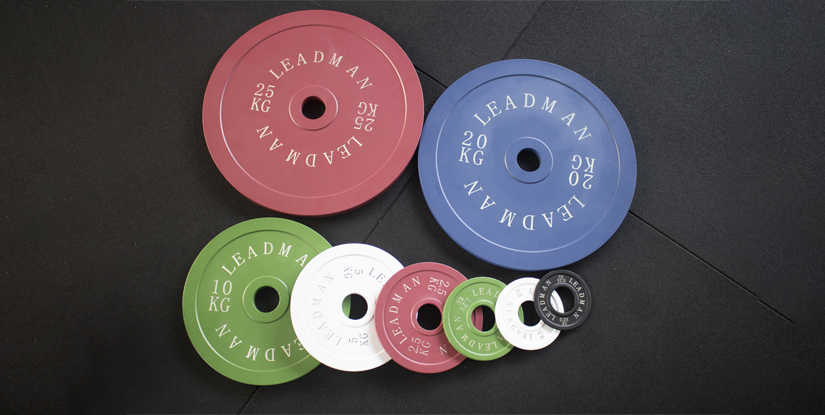
Facility managers often encounter a recurring issue: the premature degradation of flooring and structural components caused by uncontrolled kinetic energy. When heavy weight is dropped, the energy must be dissipated effectively to prevent subfloor cracking or structural fatigue. A high-quality Olympic Rubber Bumper Plate Set serves as the first line of defense by absorbing high-velocity impact, yet many operators select sets that fail to meet these requirements.
The failure usually stems from inadequate material density or an incorrect Shore hardness selection. If the rubber is too hard, the energy transfers directly to the floor; if it is too soft, the plates deform excessively, leading to uneven wear. To mitigate this, operators must specify plates with high-density virgin rubber and specialized internal cores that manage rebound energy. Understanding these material properties is essential before moving to the specific selection criteria for your facility.
The Impact of Material Density on Floor Longevity
High-density rubber is non-negotiable in high-traffic commercial settings. Low-grade synthetic blends often exhibit 'shattering' or chipping at the edges after repeated drops. A professional-grade set utilizes a uniform density to ensure that the kinetic energy is absorbed through internal compression rather than surface deformation.
| Material Grade | Impact Absorption | Durability Rating | Best Use Case |
|---|---|---|---|
| Low-Density Synthetic | Low | Poor | Home/Light Use |
| Standard Virgin Rubber | Medium | Moderate | Commercial Mid-Tier |
| High-Density Polymer Blend | High | Excellent | Professional/Olympic Training |
By prioritizing density, you protect your long-term capital expenditure on flooring. Once the material requirements are understood, the focus must shift to the precise tolerances required for professional barbell loading.
Verifying Precision Through Dimensional Tolerances
A common frustration for strength coaches is the 'unbalanced barbell' phenomenon, where plates of the same nominal weight actually differ in mass or thickness. This lack of precision can lead to erratic barbell behavior during high-velocity movements. When selecting an Olympic Rubber Bumper Plate Set, you must move beyond nominal weight and verify absolute tolerances.
The cause of weight discrepancy is often inconsistent mold filling or variations in the rubber-to-core ratio during manufacturing. This results in plates that do not sit flush on the barbell, causing the weight to shift during a lift. To prevent this, operators should request technical data sheets that specify the allowable deviation for both weight and diameter. A professional standard typically allows for a deviation of less than 1% to 3% in weight and negligible variance in diameter.
The Correlation Between Diameter and Barbell Balance
If the diameter of a 20kg plate is even a few millimeters smaller than its counterpart, the barbell's center of gravity shifts. This is not just a technicality; it is a safety concern for athletes performing explosive movements. Verification of these specs should be part of your initial procurement checklist.
- Diameter Check: Ensure all plates are within 450mm +/- 2mm.
- Weight Consistency: Verify weight variance across the set is within a 1-2% margin.
- Center Bore Accuracy: Confirm the 50mm center hole is perfectly centered to prevent axial wobble.
Ensuring that your plates are dimensionally consistent provides the foundation for predictable training. However, even a perfectly sized plate requires specific maintenance to avoid the degradation of its physical properties over time.
Preventing Surface Degradation and Edge Cracking
Even the most durable equipment undergoes physical change due to environmental and mechanical stressors. A common failure mode observed in commercial gyms is 'edge chipping' or surface crumbling. This is frequently caused by improper storage or exposure to extreme temperature fluctuations that cause the rubber to become brittle.
To prevent this, operators should implement a strict storage protocol. Leaving rubber plates in direct sunlight or unventilated, high-heat environments can accelerate the oxidation of the polymer chains, leading to surface cracking. When the rubber loses its elasticity, the impact resistance drops, which can eventually damage the barbell's sleeve. Regular inspection for surface fissures and edge irregularities is the most effective way to catch these issues before they become costly replacements.
Maintenance and Inspection Checklist for Operators
Maintaining a professional training environment requires a proactive approach to equipment care. Use the following checklist during monthly facility walkthroughs to verify the integrity of your equipment.
| Inspection Point | What to Look For | Action Required if Failed |
|---|---|---|
| Surface Integrity | Small cracks or powdering | Check humidity/temperature controls |
| Edge Condition | Nicks, chips, or rounding | Replace plate to prevent barbell damage |
| Bore Smoothness | Burrs or irregularities in center hole | Clean or replace to protect barbell sleeves |
| Scent/Odor | Strong chemical or off-gassing smell | Increase ventilation in storage area |
Following this regimen ensures that the rubber remains compliant and durable. Once the maintenance routine is established, the next priority is ensuring the safety of the athletes through proper setup and loading techniques.
Related reading:
Optimizing Loading Protocols for Safety and Durability
The way a set of plates is loaded onto a barbell significantly impacts the lifespan of the entire system. A common mistake made by less experienced operators is 'stacking density' too heavily on one side or failing to use collars correctly. This creates an uneven weight distribution that can lead to the barbell bowing or the plates bouncing unpredictably upon impact.
Improper loading often results in the internal steel ring of the bumper plate shifting or becoming unseated. To avoid this, ensure that every load is perfectly balanced and that high-quality collars are used to secure the plates. Collars do more than just hold the weight; they provide the necessary tension to keep the plates from oscillating, which protects the barbell's end caps and the plates' internal structure. A stable load is a safe load, and a safe load is a durable one.
The Impact of Loading Technique on Equipment Lifesility
When athletes drop weight, the physics of the drop matters. A 'clean drop' where the bar remains horizontal is far less damaging than a 'side-heavy drop' where one side hits the floor before the other. Operators should educate staff and athletes on the importance of maintaining bar control to minimize lateral stress on the plates.
- Use Heavy Collars: Always secure plates with high-tenslement collars.
- Avoid Uneven Loading: Never leave more than 10kg of difference between sides during a set.
- Control the Descent: Encourage controlled drops rather than uncontrolled slams to preserve the rubber.
A disciplined approach to loading preserves both the barbell and the bumper set. Transitioning from loading to actual floor placement, it is vital to consider the relationship between the plates and the substrate they rest upon.
Related reading:
Substrate Integration: Selecting the Right Flooring
An Olympic Rubber Bumper Plate Set does not exist in a vacuum; its performance is inextricably linked to the flooring it hits. A common failure in gym design is purchasing premium bumper plates but pairing them with thin, non-rated rubber mats. This mismatch results in the energy of the drop bypassing the plate and hitting the concrete, causing structural vibrations that can damage the building's foundation.
The cause of this mismatch is often a misunder way of calculating 'impact attenuation.' To solve this, the flooring must be rated for the specific weight and frequency of the lifting performed in the facility. For example, if a facility hosts heavy Olympic lifting, the floor should ideally consist of high-density, multi-layered mats that can handle high-decibel impacts and substantial downward force. Verification involves checking the Shore hardness and the thickness of the flooring relative to the expected load.
Comparing Flooring Requirements by Lifting Intensity
Different training modalities require different levels of floor support to ensure the bumper plates can perform as intended.
| Lifting Style | Required Floor Thickness | Preferred Floor Hardness | Primary Goal |
|---|---|---|---|
| Standard Aerobic/Circuit | 8mm - 12mm | Medium/Soft | Noise Reduction |
| Bodybuilding/General Strength | 20mm - 30mm | Firm/Hard | Durability & Stability |
| Olympic/Weightlifting | 50mm+ (Multi-layer) | Variable (Impact Dense) | Shock Absorption/Subfloor Protection |
By matching the floor to the plate's impact capabilities, you create a cohesive system that protects both the athlete and the facility. This holistic view of the training environment is what separates a professional setup from a standard one.
Related reading:
The Role of Air Displacement in Plate Lifespan
A more nuanced but critical factor in the longevity of high-quality bumper plates is the management of air displacement and rebound. As a plate hits the floor, it compresses, forcing air out from underneath. If the floor or the plate'1s surface is uneven, this air can cause the plate to 'jump' or bounce excessively, which creates an unpredictable rebound effect.
This is often seen in facilities with poorly maintained or uneven flooring. The cause is the trapped air being unable to dissipate through a consistent surface. To mitigate this, ensure that your flooring is flat, clean, and free of debris. A clean contact surface allows for more predictable air displacement, reducing the violent rebound that can cause plates to bounce off the platform and strike surrounding equipment or athletes.
Verifying Surface Flatness and Rebound Control
Before installing a new set of plates, perform a quick verification of your platform's surface. A flat, level surface is the best way to control the physics of a drop.
- Visual Inspection: Look for dips or mounds in the flooring.
- The Test Drop: Drop a single low-weight plate from a controlled height to observe the rebound pattern.
- Surface Friction: Ensure the floor is not overly slick, which can cause plates to slide upon landing.
Controlling the rebound through surface management reduces the mechanical stress on the rubber. As you refine these operational details, you will also need to address the long-term procurement cycles of your equipment.
Related reading:
Establishing a Sustainable Procurement Lifecycle
For commercial facility operators, purchasing an Olympic Rubber Bumper Plate Set is not a one-time event but the beginning of a long-term management cycle. The most successful facilities move away from 'reactive purchasing'—buying new plates only when the old ones break—and toward a 'lifecycle management' model.
The mistake of buying the cheapest available set is often the most expensive decision a manager can make. Low-cost sets frequently use recycled rubber blends with high levels of impurities, leading to rapid degradation and inconsistent weights. By calculating the Total Cost of Ownership (TCO) rather than just the initial price, you can justify the investment in premium-grade equipment that requires less frequent replacement. A high-quality set may cost 30% more upfront but can last 200% longer under heavy usage.
Calculating Total Cost of Ownership (TCO)
When evaluating a new set of plates, use the following logic to determine the real value of the purchase.
- Initial Cost: The direct purchase price of the set.
- Replacement Frequency: Estimated years of use before significant degradation.
- Maintenance Overhead: Cost of floor repairs or barbell sleeve replacements caused by poor-quality plates.
- Disruption Cost: Revenue lost during downtime when equipment is out of service.
A professional procurement strategy prioritizes long-term stability over short-term savings. This mindset ensures that your equipment remains a reliable asset rather than a constant maintenance headache.
Related reading:
Final Verification: The Professional Operator's Audit
As you finalize your setup and maintenance protocols, a final audit is required to ensure all systems are aligned. The goal is to confirm that the plates, the barbell, the collars, and the flooring are working as a single, integrated, and safe system.
The final check should involve a cross-disciplinary verification. Do not just look at the plates; look at the entire impact chain. If the plates are heavy-duty but the floor is thin, the system is flawed. If the plates are perfectly sized but the barbell is old and worn, the system is flawed. Use the criteria established in this guide to perform a comprehensive audit of your lifting areas to ensure maximum performance and safety.
The Essential Audit Checklist
Complete this checklist once per quarter to maintain a high-standard training environment.
- Plate Set: All weights within 1-2% tolerance; no edge chipping.
- Barbell: Sleeves rotate smoothly; no permanent bends or knurling wear.
- Collars: High-tension grip; no loose or broken locking mechanisms.
- Flooring: No visible separation at seams; remains flat and level under load.
By adhering to these rigorous standards, you ensure that your facility remains a professional-grade environment capable of handling the most intense training demands.