
Saving on Gym Setup Costs with Wholesale Dumbbells
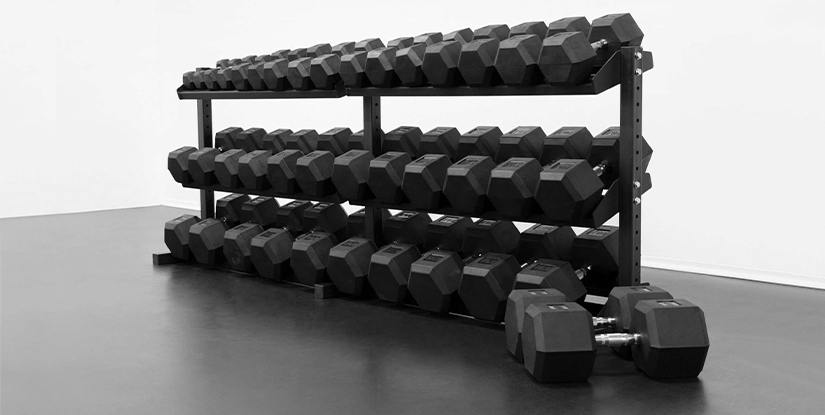
The Economic Reality of Scaling Fitness Facilities
For facility operators and procurement managers, the initial capital expenditure for strength training equipment is often the single largest barrier to entry. When building a new commercial gym or expanding an existing training center, the volume of free weights required creates a massive budget burden. Saving on gym setup costs with wholesale dumbbells is not merely about finding the lowest price; it is about understanding the interplay between unit cost, material durability, and long-term replacement cycles. A common mistake is opting for ultra-low-cost retail-grade equipment to save upfront, only to face premature wear or replacement costs within twelve months. A professional approach requires looking at the total cost of ownership (TCO) rather than just the initial invoice.
To navigate this, one must evaluate the specific requirements of the facility—whether it is a high-traffic commercial center or a boutique studio—and match that demand with a wholesale strategy that prioritizes industrial-grade specifications. Once the fundamental economic logic is established, the focus must shift to the specific material compositions that dictate both price and longevity.
Evaluating Material Standards: Rubber, Urethane, and Cast Iron
The cost of a dumbbell is primarily driven by its core and its outer coating. As a procurement professional, you must decide between different material grades based on your facility's usage intensity. Selecting the wrong material can lead to high maintenance costs or even safety hazards due to rapid degradation. Understanding these variables is critical for optimizing procurement of strength equipment.
Common Material Profiles in the Wholesale Market
Most wholesale options fall into three categories: cast iron, rubber-encased, and urethane-coated. Each has a distinct impact on your setup budget and operational lifespan.
| Material Type | Durability Rating | Cost Implication | Best Use Case |
|---|---|---|---|
| Solid Cast Iron | High | Lowest | Budget-conscious commercial gyms or garage setups |
| Rubber-Encased | Medium | Moderate | Standard commercial fitness centers |
| Urethane-Coated | Very High | Highest | Premium high-traffic facilities and training centers |
The primary failure mode for rubber-encased dumbbells is often skin peeling or cracking due to poor adhesion techniques during manufacturing. When verifying quality, look for seamless transitions between the handle and the weight head. While urethane is more expensive upfront, its resistance to odors and impact damage often results in a lower replacement frequency. Moving from material selection to logistics, one must now consider how these weights are actually manufactured and inspected.
Technical Inspection: Identifying Quality Discrepancies in Bulk Orders
When ordering in bulk, you are no longer inspecting a single unit; you are inspecting a production standard. The risk of receiving a shipment with inconsistent weights or poor structural integrity is high if the manufacturer lacks rigorous quality control. To ensure you are truly saving on gym setup costs with wholesale dumbbells, you must establish a verification protocol before the shipment leaves the factory.
Critical Inspection Checkpoints
A professional procurement checklist should include the following technical checks:
- Weight Tolerance Verification: Use a calibrated digital scale to check a random sample (at least 5% of the order). A standard commercial tolerance should be within +/- 1% to 2% of the stated weight.
- Handle Grip Integrity: Check for uniform knurling depth. Inconsistent knurling can cause user discomfort or skin abrasions, leading to complaints and potential liability.
- Coating Adhesion Test: For rubber or urethane models, perform a scratch test on a sample unit to ensure the coating is chemically bonded and not just a loose sleeve.
- Balance and Centering: Hold the dumbbell at its center of gravity; any significant wobble indicates an off-center weight distribution, which is a major safety failure mode.
If your sample test reveals more than a 3% variance in weight across the sample, it is a red flag that the entire batch may be substandard. Successfully passing these checks ensures that your initial investment remains a long-term asset. Once the quality is verified, the next logical step is organizing these assets effectively within your facility.
Explore the complete technical specifications:
Optimizing Dumbbell Storage and Floor Layout
The way you store your equipment is directly linked to how long it lasts. Poor storage leads to mechanical damage and increased labor costs for cleaning and reorganization. A strategic layout not only maximizes floor space but also protects your investment by minimizing accidental drops and improper stacking.
The Impact of Storage on Equipment Lifespan
Many operators fail to account for the vibration and impact caused by improper storage. A professional-grade dumbbell rack is not just a place to put weights; it is a component of your durability strategy.
| Storage Method | Pros | Cons | Professional Recommendation |
|---|---|---|---|
| Standard Metal Racks | Highly affordable, compact | Can scratch dumbbell heads over time | Use with rubber-encased dumbbells |
| Tiered A-Frame Racks | Easier access for high-volume areas | Takes up more floor space | Ideal for studio environments |
| Custom Wood/Composite Racks | Aesthetic, high-end feel | Expensive, harder to clean | Best for boutique/luxury wellness centers |
A frequent mistake is placing heavy dumbbell racks on unprotected concrete, which leads to floor cracking and increased maintenance. Ensure your layout includes high-density rubber flooring to absorb impact. With the physical setup finalized, we must address the long-term maintenance required to keep these assets in peak condition.
Explore the complete technical specifications:
Routine Maintenance and Safety Protocols
Even the highest quality wholesale equipment requires a maintenance schedule. Neglecting routine care will lead to the rapid degradation of the grip and coating, eventually requiring a full replacement. This is where the long-term savings are either realized or lost through operational efficiency.
The Maintenance Workflow
To prevent common failure modes such as rust or grip degradation, implement the following steps:
- Monthly Visual Inspection: Check for any signs of loose weights, cracked coatings, or worn-out knurling on the handles.
- Cleaning Protocol: Use a non-abrasive, pH-neutral cleaner. Avoid harsh chemicals that can degrade the rubber or urethane coatings, as this can lead to premature surface failure.
- Oxidation Control: For cast iron models, check for any sign of surface rust. If found, lightly sand and apply a thin layer of machine oil to prevent further oxidation.
- Handle Sanitization: High-traffic areas require daily sanitization of the grips to prevent bacterial buildup, which can affect the texture of the material over time.
Regularly documenting these checks is a best practice for facility managers. By maintaining a rigorous standard, you extend the lifecycle of your equipment significantly. This leads us to the final consideration: how to manage the lifecycle of your procurement process through to its end.
Explore the complete technical specifications:
Leg Extension & Curl Machine Integrated with Functional Rack
Strategic Scaling: Planning for Future Expansion
Successful facility management involves looking beyond the current setup. As your gym grows, your procurement needs will change. A successful strategy involves building a relationship with suppliers that allows for scalable ordering without losing quality control.
Building a Scalable Procurement Model
When planning for the future, do not just look at the current price. Consider how the supplier handles scale. A reliable partner should offer consistent specifications across different weight increments. This ensures that when you expand your dumbbell set from 5kg to 50kg, the knurling pattern, handle diameter, and coating thickness remain identical.
The goal is to create a seamless experience for the end-user. If a client moves from a lighter to a heavier weight and feels a change in the handle texture, it diminishes the perceived quality of your facility. Therefore, always demand technical specification sheets from your wholesale partners before committing to long-term growth phases. By treating procurement as a strategic lifecycle rather than a one-off purchase, you ensure that your facility remains both profitable and professional.
Explore the complete technical specifications:
Financial Diversification in Equipment Procurement
Diversification is often overlooked in the pursuit of saving on gym setup costs with wholesale dumbbells. Rather than putting the entire budget into a single type of premium equipment, savvy managers often split their procurement between high-end items and durable budget items. This ensures that the 'hero' equipment looks premium while the high-volume, high-wear items are cost-effective and easy to replace.
Strategic Allocation Checklist
Consider this allocation model when drafting your next procurement order:
- The Premium Tier (15-20% of budget): Reserved for high-visibility areas or boutique zones. Usually involves high-grade urethane-coated dumbbells with superior aesthetics.
- The Commercial Core (60-70% of budget): The backbone of your strength area. Focus on rubber-encased dumbbells with consistent weight tolerances.
- The High-Turnover Tier (10-15% of budget): Ideal for basic training zones or outdoor/garage-style setups. Often consists of cast iron or basic coated iron.
A critical decision parameter is the "wear-rate estimation." If your facility caters to professional athletes, your turnover rate for handles and coatings will be much higher than a community wellness center. Failing to adjust your tier-based procurement to match your user profile is a common way to bleed capital over a 24-month period. By balancing these tiers, you maintain a high-quality perception while keeping the total cost of ownership within a manageable range.