
What a Gym Equipment System Includes: A Technical Procurement Guide
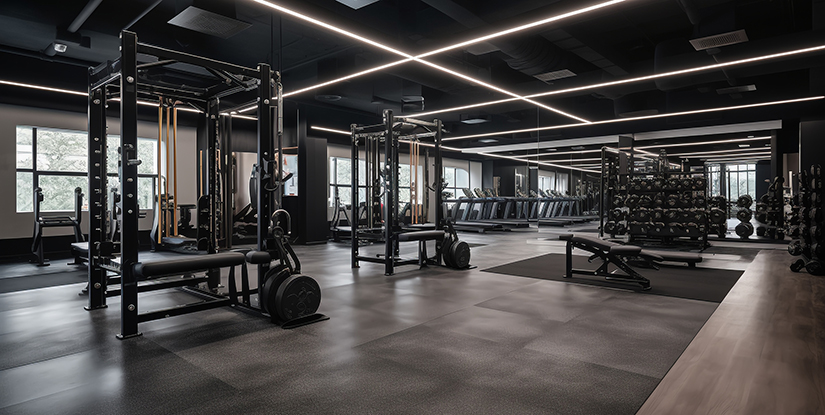
Understanding the Core Architecture of a Gym Equipment System
In the commercial fitness sector, a common procurement mistake is treating individual machines as isolated purchases rather than parts of a unified functional system. When a facility manager asks, "What a gym equipment system includes," they are often looking for more than just a list of machines; they are seeking a cohesive ecosystem of mechanical, electronic, and structural components that work in harmony. A failure to recognize this systemic nature leads to premature wear, mismatched ergonomic standards, and significant operational downtime.
A true gym equipment system is comprised of three fundamental layers: the mechanical skeletal structure, the resistance or propulsion mechanisms, and the user interface. If one layer is poorly integrated—for instance, a high-end digital console paired with a low-grade mechanical drive—the entire value proposition of the machine collapses. Understanding these layers allows operators to verify that their investment provides long-term utility rather than immediate novelty.
Before diving into specific mechanical layers, it is essential to define the broader structural requirements that ensure these components function safely within a facility environment.
The Three-Layer Framework
- Structural Layer: The heavy-duty steel frames, bushings, and chassis that support physical loads.
- Mechanism Layer: The resistance elements (weights, magnets, or motors) and movement tracks.
- Interface Layer: The human-machine interface (HMI), including consoles, sensors, and ergonomic touchpoints.
With the foundational architecture understood, we must now examine the mechanical specifications that dictate the durability of the system.
Mechanical Specifications and Material Durability Standards
Once the basic architecture is established, the focus must shift to the material integrity of the components. A common pain point for facility operators is the rapid degradation of moving parts due to substandard metallurgy or poor surface finishes. A professional-grade system is not defined by its weight alone, but by its ability to maintain tolerances under repeated high-stress cycles.
When evaluating what a gym equipment system includes, buyers should scrutinize the steel gauge and the quality of the welding. Low-quality equipment often utilizes thinner-walled tubing that vibrates under load, leading to structural fatigue. Furthermore, the surface finish of the metal dictates the resistance to oxidation and microbial buildup, which is critical for hygiene-focused facilities.
| Component Type | Standard Specification Requirement | Common Failure Mode | Verification Method |
|---|---|---|---|
| Main Chassis | High-gauge carbon steel with electrostatic powder coating | Metal fatigue and paint chipping at weld points | Visual inspection for cracks or exposed metal |
| Pivot Points | Reinforced bronze or sealed ball bearings | Binding or irregular resistance during motion | Manual movement check for smoothness |
| Weight Stacks | Solid steel plates with high-grade nylon bushings | Plate rattling or uneven stack alignment | Check for lateral movement or uneven lifting |
| Cable/Wire Systems | Braided steel with high-density nylon coating | Fraying or snapping due to friction | Visual trace of the entire cable length |
The ability to verify these specifications through physical testing is the difference between a long-term asset and a liability. Ensuring these mechanical standards are met provides the necessary groundwork for the more complex electronic integration found in modern systems.
The Role of Electronic Integration and Data Management
As gym equipment systems become increasingly sophisticated, the electronic layer has moved from a luxury to a core operational component. The integration of digital consoles and IoT (Internet of Things) connectivity represents a significant portion of a modern system's value. However, this complexity introduces new failure modes, primarily related to software instability and sensor misalignment.
A robust system includes a standardized communication protocol between the machine's internal sensors and its digital display. For example, in a motorized treadmill, the motor controller must communicate with the speed sensor with millisecond precision to prevent sudden fluctuations in pace. If this data loop is broken, the user experience is compromised, and the machine's internal components may suffer damage.
Critical Electronic Components to Verify
When auditing a system's electronics, operators should look for the following:
- Sensor Arrays: Integrated electromagnetic or optical sensors that track cadence, revolutions, or movement.
- Control Units (ECUs): The central processor that manages resistance, speed, and user inputs.
- Connectivity Modules: Bluetooth or Wi-Fi hardware for syncing with external training ecosystems.
- Safety Cut-off Systems: Hardware-level interrupt switches that function independently of the software.
Failure to include a reliable control unit results in "ghosting" or unresponsive touchscreens, which are difficult for maintenance staff to diagnose without specialized tools. Having a robust electronic layer ensures that the machine remains a data-driven tool rather than a passive piece of furniture.
Understanding how these digital brains control the physical movement leads us to the critical aspect of resistance mechanisms.
Explore the complete technical specifications:
Resistance Mechanisms and Energy Transfer Optimization
The core of any strength or cardiovascular machine is its method of providing resistance. Depending on the intended use, a gym equipment system may include electromagnetic, pneumatic, or traditional weight-stack resistance. Each of these mechanisms carries different maintenance requirements and failure profiles.
A frequent issue in commercial environments is the use of outdated resistance profiles that do not match the movement ergonomics. For instance, using a simple weight stack for an exercise that requires constant tension can lead to a 'dead spot' in the movement, which increases the risk of user injury. A high-quality system utilizes advanced mechanisms to ensure a smooth resistance curve throughout the entire range of motion.
Comparison of Common Resistance Technologies
| Technology Type | Mechanism of Action | Ideal Use Case | Maintenance Intensity |
|---|---|---|---|
| Traditional Weight Stacks | Gravity-based steel plates and cables | Strength training and bodybuilding | Medium (Cable/Pulley replacement) |
| Electromagnetic Resistance | Electric motors and magnetic fields | Cardio and high-end strength machines | Low (Electronic calibration) |
| Pneumatic Resistance | Compressed air volumes | High-velocity functional training | High (Air pressure and seal checks) |
| Hydraulic Resistance | Fluid displacement through orifices | Low-impact cardiovascular conditioning | Medium (Fluid integrity checks) |
When selecting a system, the choice of resistance technology should be dictated by the facility's target user demographic and the availability of skilled technicians. For example, while electromagnetic resistance is highly durable, it requires a technician capable of diagnosing circuit-level issues. Once the resistance method is selected, the system must be correctly installed within a cohesive layout.
Explore the complete technical specifications:
Facility Integration: Layout and Structural Loading Requirements
It is a mistake to assume that a gym equipment system is complete once the machines are unboxed. A comprehensive system includes the logistical infrastructure required to support it within a specific physical environment. This includes flooring, power distribution, and spatial clearance.
A common failure occurs when heavy-duty strength equipment is installed on non-reinforced flooring, leading to structural settling or floor damage. Similarly, high-draw cardiovascular equipment can overload existing electrical circuits if the facility's power capacity was not audited during the planning phase. A professional system procurement plan must account for these environmental dependencies.
The Installation Readiness Checklist
- Floor Load Capacity: Can the floor support the static weight of the machines plus the dynamic impact of users?
- Clearance Zones: Is there a minimum of 36 inches of space around every piece of equipment to allow for safe movement?
- Electrical Load Profile: Have the peak amperage requirements for motorized units been verified against the building's breakers?
- Acoustic Mitigation: Are rubberized flooring mats included to dampen the vibrations from high-impact zones?
Proper integration ensures that the physical environment complements the machinery's performance. Without this consideration, the mechanical parts and electronic systems will suffer from external stressors that are often outside their designed operating parameters.
With the environment prepared, the focus turns to the most critical aspect of long-term operation: preventive maintenance.
Preventive Maintenance and Inspection Protocols
The longevity of a gym equipment system is directly proportional to the rigor of its maintenance schedule. Many operators treat maintenance as a reactive process—fixing things only when they break—which is the most expensive way to manage a facility. A professional approach utilizes a preventive cadence to address microscopic wear before it manifests as a mechanical failure.
Common mistakes in maintenance include using improper lubricants or neglecting the tension of cables. For instance, applying the wrong type of grease to a bearing can actually trap dust and accelerate wear, rather than reducing it. A systematic approach to inspection allows you to identify these small deviations early.
Standardized Maintenance Cadence
| Interval | Focus Area | Required Action | Verification Step |
|---|---|---|---|
| Daily | Surface & Safety | Wipe down contact points and check for loose bolts | Visual/Tactile check |
| Weekly | Moving Parts | Inspect cables for fraying and tension | Manual stress test |
| Monthly | Electronics | Test console responsiveness and sensor accuracy | Software diagnostic mode |
| Quarterly | Deep Mechanical | Lubricate bearings and check motor brushes | Professional audit |
By implementing these protocols, you transform the equipment from a depreciating asset into a durable piece of infrastructure. This leads us to the final and most important stage of the lifecycle: ensuring the system is utilized as intended through user education.
Optimizing User Interface and Human Factors Engineering
A final, often overlooked component of a gym equipment system is the human-machine interface (HMI) and the ergonomic design. The goal of high-end equipment is to minimize the cognitive load on the user, allowing them to focus entirely on the physical task. If the controls are unintuitive or the adjustment points are difficult to access, users will likely misuse the machine, leading to both injury and accelerated wear.
Ergonomics is not just about comfort; it is a safety standard. A well-designed adjustment mechanism—such as a pop-pin for seat height—must provide tactile and auditory feedback to confirm it is locked in place. If a user cannot clearly verify that a setting is secure, the system's safety protocols have failed.
Key Ergonomic Indicators for Operators
- Adjustability Range: Are the adjustment points designed to accommodate the 5th to 95th percentile of human dimensions?
- Intuitive Controls: Are the primary functions (Start/Stop, Speed, Resistance) clearly labeled and easily reachable?
- Tactile Feedback: Do the adjustment pins and buttons provide a physical confirmation of engagement?
- Display Legibility: Is the console screen readable from a distance of 3–5 feet, even in bright ambient light?
When these human-centric details are integrated into the core of the equipment, the entire system performs better. As we conclude, it is clear that a professional gym equipment system is a complex hierarchy of parts, each requiring specific attention to ensure long-term ROI.