
Optimizing Procurement and Longevity of Wholesale Gym Equipments
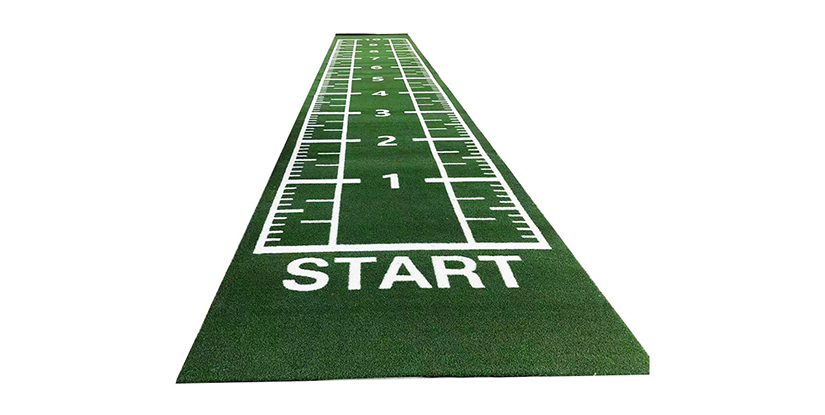
Purchasing managers and facility operators often face a recurring crisis: the rapid degradation of high-capital assets shortly after installation. When sourcing Wholesale Gym Equipments, the temptation to prioritize the lowest unit price frequently leads to a catastrophic cycle of premature replacement, high maintenance labor costs, and increased liability risks. This guide examines the technical variables that differentiate durable commercial-grade gear from low-margin consumer-grade products, providing a framework for rigorous procurement and long-term operational stability.
Evaluating Structural Integrity and Load Capacity Specifications
The initial failure in most high-traffic facilities stems from a fundamental misunderstanding of load ratings versus actual usage intensity. Many buyers assume that if a piece of equipment is labeled 'commercial,' it is inherently built for 24/7 high-volume cycling. However, load capacity is a complex interplay of steel gauge, weld quality, and geometric stability.
A common mistake is selecting equipment based solely on weight capacity without verifying the static versus dynamic load differential. A power rack might support 500kg of static weight, but under the dynamic impulse of a heavy barbell drop, the frame stress can exceed its elastic limit. Operators must demand technical data sheets that specify the metallurgical grade of the steel and the type of welding used (e.g., TIG vs. MIG).
Material Density and Steel Gauge Standards
To avoid structural buckling, operators should implement a verification checklist during the pre-order phase. Ensure that the steel thickness meets the following industry benchmarks for commercial environments:
- Strength Training Racks: Minimum 11-gauge (3mm) steel for uprights.
- Dumbbell Racks: 12-gauge to 10-gauge steel to prevent bowing under high-density loads.
- Cardio Components: Reinforced high-tensile steel for internal chassis frames.
By establishing these baseline material requirements, procurement teams can transition from reactive purchasing to proactive asset management. This rigorous approach to material selection provides the necessary foundation for the mechanical components that will follow.
Mechanical Components and Bearing Longevity
Once structural steel is secured, the focus must shift to the moving parts, where the most frequent service calls originate. The friction generated in cable machines, weight stacks, and treadmills is the primary driver of component wear. If the internal mechanics are substandard, even the strongest frame will be rendered useless by a seized pulley or a snapped cable.
The root cause of frequent cable failures is often the diameter and coating of the wire. Many wholesale suppliers offer thinner, uncoated steel cables to reduce costs, which lack the flexibility required for high-frequency movement. This leads to internal fraying that is often invisible until a sudden catastrophic snap occurs.
Critical Components Comparison: Commercial vs. Budget Grade
The following table provides a benchmark for evaluating the mechanical quality of essential movement-based equipment:
| Component Type | Budget/Low-Tier Specification | High-Performance Commercial Specification |
|---|---|---|
| Pulley Bearings | Single-row plastic or nylon bushings | Double-row precision ball bearings (sealed) |
| Cable Material | Uncoated steel wire (high fray risk) | Nylon or UHMWPE coated high-tensile steel |
| Weight Stack Guides | Thin-walled steel or plastic-coated rods | Heavy-duty polished steel shafts |
| Belt Drive (Treadmills) | Single-ply standard rubber belt | Multi-ply reinforced high-density polymer |
Verifying these specifications during the RFP (Request for Proposal) stage allows an operator to predict maintenance intervals more accurately. Understanding these internal mechanical standards is essential before moving to the final piece of the facility puzzle: the flooring system.
Related reading:
Optimizing Floor Loading and Impact Absorption
A high-quality equipment order can be rendered useless if the installation environment is not prepared to handle the kinetic energy. Neglecting the relationship between equipment mass and floor-load constraints leads to two primary problems: subfloor structural damage and excessive noise pollution. In many commercial settings, the issue is not just the weight of the machine, but the impact force of the user.
Operators often overlook the 'Shore Hardness' of the rubber flooring required beneath heavy racks. If the flooring is too soft, the weight causes the equipment to tilt or sink, leading to uneven load distribution and structural stress on the frame. Conversely, if the flooring is too hard, it fails to dampen high-frequency vibrations, which can damage the building's subfloor over time.
Flooring Specification Checklist for Heavy Zones
Before finalizing your Wholesale Gym Equipments order, verify your flooring specifications against these three operational zones:
- Free Weight Zones: High-density vulcanized rubber (minimum 15mm–20mm thickness) with low Shore A hardness for maximum impact absorption.
- Cardio/High-Traffic Zones: Mid-density rubber or specialized flooring to mitigate vibration and noise.
- Strength Machine Zones: Precision-leveling mats to ensure stable, even weight distribution under static loads.
Selecting the correct flooring not only protects the building but also extends the life of the machines by providing a stable, level base. With a stable foundation established, the next critical step involves the long-term maintenance protocols required to keep the machines in peak condition.
Related reading:
Implementing Preventive Maintenance Protocols
Maintenance is often treated as a reactive task—fixing things after they break. In a professional facility, this is a costly mistake. A proactive maintenance schedule is the only way to ensure the ROI (Return on Investment) on your equipment remains positive over a 5-to-10-year lifecycle. The primary failure mode in poorly maintained gyms is the gradual loosening of fasteners due to constant vibration.
Even the most durable machines experience 'mechanical creep,' where bolts and assembly components slowly back out. This is particularly common in strength training machines and cardio equipment that undergoes high-frequency oscillations. If left unaddressed, this leads to unstable movement, increased friction, and eventually, catastrophic failure.
The Standardized Inspection Cadence
To maintain safety and performance, facility managers should implement a tiered inspection schedule. Relying on a single annual check is insufficient for high-traffic environments.
| Frequency | Task Category | Verification Method |
|---|---|---|
| Daily | Visual Safety Check | Inspect for torn cables, loose weights, and visible fluid leaks. |
| Weekly | Fastener Integrity | Use a torque wrench to check critical bolts on strength racks. |
| Monthly | Lubrication & Friction | Apply silicone-based lubricants to pulleys and check belt tension. |
| Quarterly | Deep Mechanical Audit | Comprehensive inspection of bearings, motor brushes, and electronics. |
A consistent maintenance log provides an audit trail that is essential for insurance compliance and safety litigation defense. Following these protocols ensures that the high-quality equipment you procured continues to perform as intended.
Related reading:
Mitigating Common Procurement Errors in Bulk Ordering
The most significant mistake made when sourcing Wholesale Gym Equipments is the failure to account for the total cost of ownership (TCO). Many purchasing managers focus exclusively on the purchase price per unit, ignoring the indirect costs associated with shipping, installation complexity, and long-term part availability. This oversight can lead to a 'cheap' order becoming an expensive liability.
Another frequent error is the lack of 'Standardization' across the facility. If a gym sources various machine types from multiple disparate suppliers, the maintenance staff must manage a massive inventory of unique spare parts, cables, and tools. This lack of uniformity increases both the downtime of the equipment and the complexity of the daily operations.
Verification Steps for Bulk Procurement
Before signing a large-scale purchase agreement, professional operators should run through this verification sequence:
- Request a Sample/Prototype: If possible, inspect the actual weld quality and bearing grade of a single unit before the full shipment arrives.
- Verify Part Interchangeability: Ensure that cables, pulleys, and common fasteners are standardized across as many machines as possible.
- Confirm Support Infrastructure: Ask the supplier for a documented guarantee of spare part availability for at least 5 years post-purchase.
- Assess Logistics Capability: Verify if the supplier provides white-glove installation or if the responsibility for assembly and leveling falls on your staff.
By treating the procurement process as a technical evaluation rather than a simple transaction, you secure the long-term viability of your facility. Mastering these technical aspects of selection and upkeep is the final step in professionalizing your gym operations.
Related reading:
Digital Integration and Future-Proofing Assets
As we look toward the next decade of fitness facility management, the integration of smart technology and sustainable materials is becoming increasingly prevalent. The evolution from purely mechanical resistance to digitally-integrated resistance is changing the way we approach maintenance and data tracking. Modern facilities must now consider not just the physical durability of the steel, but the digital durability of the software and electronic components.
The rise of IoT-enabled Wholesale Gym Equipments means that machines can now self-report wear and tear. Sensors can detect unusual vibrations in a motor or changes in cable tension before a human operator even notices a problem. However, this shift requires a new set of procurement parameters: the ability to evaluate the longevity of a machine's software and the availability of firmware updates.
Smart Equipment: Risks vs. Rewards
When deciding whether to invest in digitally-integrated equipment, consider the following comparison of operational impact:
- Standard Mechanical Gear: Low technical complexity; predictable failure modes; easier to repair locally; minimal software dependence.
- Digitally-Integrated Gear: High user engagement/data tracking; predictive maintenance capabilities; requires specialized technical support; vulnerable to software obsolescence.
While these advancements offer incredible benefits for user engagement, they also introduce a new layer of complexity for the facility operator. The maintenance of a digital treadmill is significantly more complex than a traditional manual cycle, requiring both mechanical skill and basic technical troubleshooting for electronic-based systems. Staying ahead of these trends requires a continuous commitment to learning and technical adaptation.