
What Commercial Gym Installation Involves: A Strategic Infrastructure Guide
Foundational Requirements for Commercial Fitness Environments
Developing a high-performance fitness facility begins long before the first piece of equipment arrives on-site. Many operators underestimate the technical rigor required to transition a raw shell into a certified commercial gym environment. The primary failure in many new installations is a lack of alignment between the structural capacity of the building and the concentrated load of heavy resistance machinery. Without a pre-installation audit, facilities often face structural fatigue or uneven floor settling that can compromise both equipment longevity and user safety.
Structural Load-Bearing Capacity and Floor Integrity
Before procurement, a structural engineer must verify the floor's PSF (pounds per square foot) rating. Heavy smith machines or power racks, especially when loaded with plates, create high-density load points. A common mistake is assuming standard commercial flooring can absorb all kinetic energy; however, without specific density-rated subflooring, vibration transfer can damage the building's structural skeleton. To verify compliance, check the building's load-bearing blueprints against the maximum weight concentration of your heaviest equipment cluster.
Electrical and HVAC Integration Protocols
Modern commercial gyms increasingly rely on interconnected digital interfaces and high-powered treadmills. A primary pain point is circuit overload during peak hours when multiple cardio units are running simultaneously. You must plan for dedicated electrical circuits to prevent frequent breaker trips. Similarly, high-intensity training generates significant thermal loads. If your HVAC capacity is calculated solely for general commercial occupancy, the facility will fail to manage the elevated CO2 and humidity levels inherent to intensive metabolic training. Ensure your mechanical plan accounts for increased air exchange rates per square meter.
Once the structural and environmental foundations are secured, the focus shifts from the shell to the spatial configuration of the equipment itself.
Strategic Layout Optimization and Spatial Flow Control
A poorly planned layout does more than just look unprofessional; it creates physical bottlenecks that increase the risk of collisions and decrease the overall utility of the square footage. When determining what commercial gym installation involves, one must view the floor plan as a dynamic ecosystem rather than a static placement of machines. The tension between high-density equipment placement (to maximize ROI) and open floor space (to ensure safety and flow) is a critical decision-making threshold.
Zoning for Functional Movement and Safety Buffers
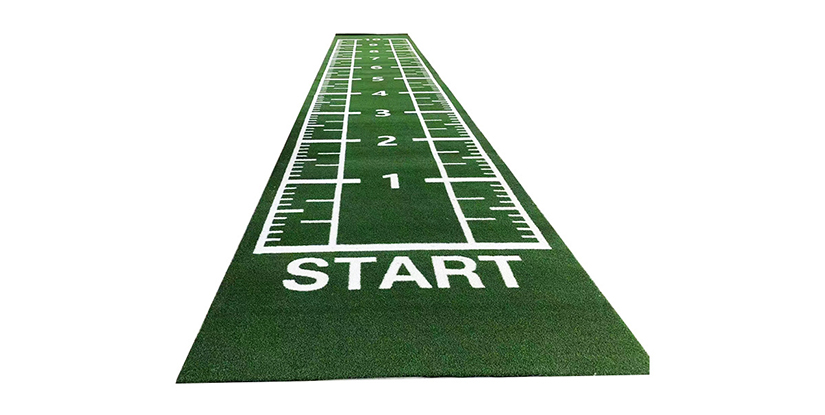
Effective facility management requires the implementation of strict 'safety zones.' A common error is placing a heavy dumbbell rack too close to a high-traffic walkway or a high-speed treadmill lane. This increases the likelihood of injury and disrupts the psychological comfort of the users. Professional installers use a zoning approach: separating high-impact areas (free weights) from low-impact areas (cardio/stretching) and high-velocity areas (functional movement zones).
| Zone Type | Core Requirement | Recommended Clearance Buffer |
|---|---|---|
| Heavy Resistance Zone | High-density rubber flooring | 1.5m - 2m radius around equipment |
| Cardio Corridor | Flat, non-slip surface | 0.8m - 1m between machine edges |
| Functional/Agility Area | Unobstructed, open floor | Full limb-span radius + 1m |
| Stretching/Recovery | Low-traffic, ambient environment | Adjacent to quiet zones |
Establishing these boundaries during the installation phase prevents the need for costly re-configurations after the facility is operational. This spatial logic leads directly into the granular technicalities of equipment placement and stabilization.
Equipment Anchorage and Structural Stabilization Standards
A single improperly anchored piece of equipment can lead to catastrophic failure or a gradual drift in calibration. As part of what commercial gym installation involves, the method of securing heavy-duty frames to the subfloor is non-negotiable. Loose bolts or inadequate anchoring leads to micro-vibrations, which over time, loosen the structural integrity of the machines and can even cause audible rattling that irritates users and signals poor maintenance.
Anchoring Mechanisms and Surface Interface
The type of anchoring required depends entirely on whether the machine is a free-standing unit or a fixed installation. For stationary machines, mechanical fasteners or chemical anchors may be necessary to ensure the unit remains plumb. A frequent failure mode occurs when installers use standard screws in high-density rubber flooring without reaching the solid subfloor beneath. This results in the machine 'floating' on the rubber, which creates instability during high-intensity movements.
- Pre-installation check: Verify if the subfloor is concrete, wood, or raised flooring.
- Anchoring verification: Use a digital level to ensure every heavy rack is perfectly vertical (plumb) before tightening the final fasteners.
- Fastener inspection: Ensure all bolts are torqued to the manufacturer's specific Newton-meter (Nm) requirements, not just 'hand-tight.'
With the equipment physically secured, the next critical stage involves the technical integration of mechanical components and digital systems.
Explore the complete technical specifications:
Mechanical Calibration and Electronic Component Integration
Moving beyond the frame, the internal mechanisms—pulleys, cables, and digital consoles—require high-precision calibration. A common complaint in commercial settings is the 'rough' feeling of a cable machine or a digital screen that fails to sync with a user's wearable device. These issues are rarely hardware defects; they are usually failures in the initial calibration or environmental integration during the setup process.
Cable Tension and Pulley Alignment Protocols
The smooth operation of resistance equipment is dictated by cable tension and pulley alignment. If the cable is too tight, it puts undue stress on the bearings; if too loose, it causes 'slop' in the movement that can lead to improper form and injury. Installers must ensure that pulleys are aligned with the axis of movement to prevent lateral friction. A common mistake is neglecting the lubrication of internal tracks, which leads to premature wear and high maintenance costs.
Digital Interface and Network Connectivity
In the modern era, the installation of cardio equipment is as much an IT project as it is a physical one. Every smart treadmill and digital strength station needs a stable network connection to function. If the facility's Wi-Fi or Ethernet-over-Power (EoP) architecture is insufficient, the digital features will lag or fail, resulting in high user frustration. Verify the signal strength at every equipment station during the installation phase to avoid post-launch troubleshooting.
Proper digital and mechanical integration provides the platform for a seamless user experience, but even the best-installed equipment requires a rigorous maintenance cadence to remain safe.
Explore the complete technical specifications:
Post-Installation Inspection and Preventive Maintenance Cycles
The transition from 'installation complete' to 'operational' is marked by the implementation of a maintenance regimen. A failure to establish a strict inspection routine immediately following installation is a strategic error that shortens the lifecycle of your investment. The goal is to move from reactive repairs to proactive maintenance, which preserves both the machine's performance and the facility's reputation.
Routine Inspection Checklists for Facility Managers
To maintain high standards, facility managers should implement a tiered inspection system. The first tier is daily visual checks by staff, and the second is monthly technical audits by trained personnel or external contractors. A checklist approach ensures that nothing is missed during the rush of daily operations.
| Component Category | Frequency | What to Inspect (Failure Mode) | Correction Action |
|---|---|---|---|
| Resistance Cables | Weekly | Fraying, kinking, or discoloration | Replace immediately if any sheath damage is visible |
| Moving Parts | Monthly | Squeaking, resistance changes, or heat | Lubricate or check bearing alignment |
| Fasteners/Bolts | Monthly | Loosening or vibration-induced shifting | Retighten to specified torque specs |
| Digital/UI | Weekly | Connectivity issues or screen lag | Reboot system or check network signal strength |
By adhering to these documented cycles, operators can prevent small issues from becoming expensive mechanical failures. However, for a truly professional setup, one must also understand the legal and safety nuances of the operational environment.
Explore the complete technical specifications:
Risk Management and Safety Compliance Standards
A commercial gym is a high-risk environment by design. Consequently, what commercial gym installation involves is not just about placing machines, but about building a framework for liability protection. Failing to meet local safety codes or industry-standard clearance requirements can lead to legal exposure and increased insurance premiums. Compliance is not a one-time event but a continuous state of readiness.
Liability Mitigation Through Documentation
One of the most effective ways to mitigate risk is through meticulous documentation. This includes keeping records of the initial installation certification, the professional credentials of the installers, and the logs of all subsequent maintenance. If an accident occurs, having a documented history of rigorous equipment inspection can be a critical defense. A common failure in small-scale operations is the lack of a centralized, digital log for safety audits, leaving the operator vulnerable during a compliance check.
Environmental Safety and Accessibility Compliance
Accessibility is often overlooked during the installation rush. Ensure that the equipment layout complies with local accessibility laws (such as the ADA in the US), providing sufficient space for users with mobility aids. Furthermore, ensure that 'dead zones'—areas with low lighting or poor ventilation—are eliminated to prevent accidents and maintain a professional, welcoming atmosphere throughout the entire facility.
Successful risk management relies on the synergy between physical safety and structured operational procedures.
Lifecycle Analysis and ROI Optimization for Equipment Procurement
From a strategic standpoint, the installation process is the beginning of the equipment's lifecycle, which directly impacts the total cost of ownership (TCO). A cheap piece of equipment that requires frequent repair and constant repositioning is far more expensive in the long run than a premium-grade unit that is installed with precision. Understanding the long-term value of the installation quality is essential for maximizing ROI.
Total Cost of Ownership (TCO) vs. Initial Purchase Price
When evaluating equipment, the initial price tag is only one variable. The true cost includes installation, electricity consumption, maintenance requirements, and the eventual depreciation rate. High-quality installations reduce these secondary costs. For example, a properly anchored power rack will experience significantly less structural wear than one that is frequently shifting, thereby extending its useful life by years.
- High-End Strategy: Invest in premium installation (anchoring, precision calibration, high-grade subflooring) to minimize downtime and maintenance.
- Budget Strategy: Lower initial cost, but prepare for higher recurring costs related to repairs, replacement parts, and potential facility damage.
Strategic procurement involves weighing these factors to ensure the facility's capital expenditure is working toward long-term growth rather than constant repair cycles.
Future-Proofing: Scaling and Adaptive Reconfiguration
A professional installation should not be a permanent, static event. As fitness trends evolve—shifting from traditional weightlifting to more functional, hybrid training—the facility must be able to adapt. A future-proof installation design considers how easily equipment can be moved, replaced, or upgraded without requiring a complete overhaul of the floor or electrical systems.
Modular Layouts and Technological Scalability
To ensure your facility remains relevant, consider a modular layout. This involves using equipment that can be easily reconfigured and ensuring that your electrical and network infrastructure has 'slack' or extra capacity for future expansion. For instance, installing additional power outlets or network nodes in a way that is easily accessible can make adding a new row of cardio machines a matter of hours rather than days of construction. As the industry moves toward even more integrated, data-driven training, having a robust technological backbone will be the differentiator between a struggling gym and a market leader.