
The High Demand for Power Lifting Equipment in Modern Gyms: A Procurement and Operational Guide
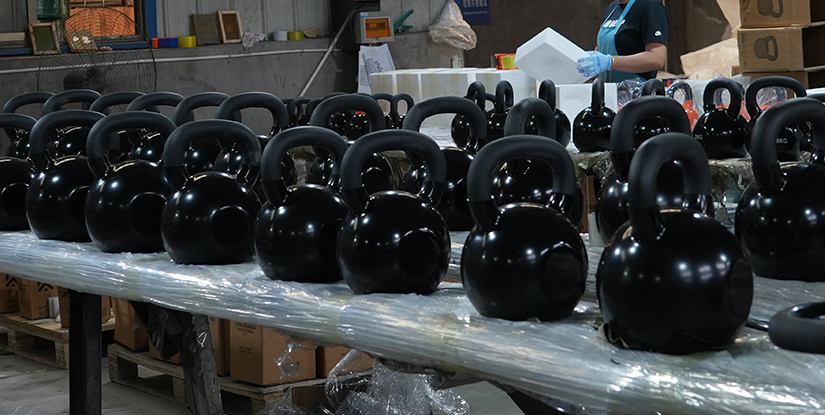
Addressing the Structural Integrity Gap in High-Traffic Facilities
The recent surge in strength sports has fundamentally shifted the floor requirements for fitness centers. As commercial gyms transition from general wellness spaces to specialized strength hubs, the high demand for power lifting equipment in modern gyms has created a secondary crisis: the structural inadequacy of standard fitness hardware. Many facility managers are finding that equipment designed for light aerobic use or standard weightlifting fails under the high-impact, high-load requirements of serious powerlifters. This failure often manifests as frame deformation, compromised bearing integrity, or catastrophic weld fractures.
To avoid these operational pitfalls, procurement officers must move beyond aesthetics and focus on structural load-bearing capacities. A failure to account for the violent nature of heavy eccentric loading can result in both expensive replacement cycles and significant liability risks. Understanding the mechanics of heavy-duty equipment is the first step in ensuring a facility remains both profitable and safe.
The Impact of Dynamic Loading on Equipment Longevity
Unlike steady-state machines, power lifting implements undergo extreme dynamic loading. This means the weight is not just static; it is being dropped, slammed, and moved with significant momentum. If your equipment is not rated for these forces, you are essentially operating on borrowed time.
Identifying these structural vulnerabilities early prevents the transition from minor maintenance to total equipment replacement. We will now examine the specific technical requirements of the most critical lifting components to ensure your procurement strategy is sound.
Material Specifications and Steel Gauges for Heavy-Duty Racks
A primary cause of premature equipment failure in high-demand environments is the use of substandard steel thickness. In a standard commercial gym, a thin-walled steel tube might suffice for a multi-gym station, but in a dedicated power lifting zone, the material specs must be significantly more aggressive. I have seen countless procurement failures where the buyer focused on the price per unit rather than the gauge of the steel, only to face structural bending within six months of heavy use.
When sourcing racks, power cages, or squat stands, you must demand specific metallurgical information. A common mistake is assuming all "commercial grade" steel is equal. In reality, the difference between a 11-gauge and a 7-gauge steel frame is the difference between a stable platform and a dangerous, wobbling structure.
| Component Type | Minimum Recommended Gauge | Typical Failure Mode | Verification Method |
|---|---|---|---|
| Squat/Power Rack | 7 to 11 Gauge | Frame bowing under heavy loads | Visual inspection for weld cracks |
| Weight Bench | 3mm to 5mm Steel Plate | Frame twisting during heavy press | Check for parallel alignment |
| Dumbbell Rack | Heavy-duty Steel Plate | Front-loading structural collapse | Test for lateral stability |
| Platform Surface | High-Density Rubber/Wood | Deformation or cracking | Check for compression depth |
The presence of high-quality steel is the foundation of any reliable lifting area. Once you have secured the primary structural elements, your attention must turn to the precision of the moving parts, such as the barbell and its mechanical tolerances.
Barbell Precision and Knurling Consistency Standards
While the racks provide the skeleton, the barbell is the central tool of the trade. The high demand for power lifting equipment in modern gyms has also driven up the standard for barbell performance. A common complaint from high-level trainees is the lack of consistency in knurling and whip. A barbell that feels "soft" or has uneven grip can lead to missed lifts and, more importantly, an inability to control heavy weights safely.
When evaluating a batch of barbells, you should not just look at the weight; you must examine the metallurgical properties of the shaft and the quality of the knurling. A high-quality barbell should offer a specific level of 'whip'—the ability to bend and return to straight without permanent deformation—while maintaining a high tensile strength.
Common Barbell Defects to Avoid
- Uneven Knurling: One side of the bar feels significantly more aggressive than the other, often caused by poor machining.
- Permanent Set: The bar stays bent after being loaded to its rated capacity, indicating low-quality steel or poor heat treatment.
- Bearing Friction: The sleeves rotate poorly or feel 'gritty,' which is a sign of substandard bushings or bearings.
Selecting the right bar requires a deep dive into the technical spec sheet, not just a surface-level comparison. Once the bars are secured, the next critical component to inspect is the mechanical interface between the bar and the rack.
Explore the complete technical specifications:
The Critical Role of Bearing Integrity in Specialized Racks
The durability of a lifting station is often determined by its moving parts. For many operators, the breakdown of a squat rack or a specialized lifting machine begins with the bearings. When heavy loads are repeatedly moved through their range of motion, even tiny imperfections in the bearing surface or lubrication can lead to rapid degradation.
A common mistake in maintenance is overlooking the smooth operation of the sleeve bearings or the sliding mechanisms in a power cage. If the weight plates do not spin freely on the barbell, or if the rack's adjustable pins feel stiff, it is a clear sign that the mechanical components are failing. This friction doesn't just slow down the user; it introduces vibrations that can eventually crack the steel frame.
Verifying Component Smoothness
To ensure your equipment is performing at its peak, implement a monthly 'rotation test.' For every barbell and rack interface, observe how the weight moves. It should be fluid and effortless. Any resistance or sound during rotation is a red flag that necessitates immediate lubrication or part replacement.
Maintaining these moving parts is essential, but as we move from the small components to the larger installation, the focus shifts toward the foundational stability of the entire gym floor.
Explore the complete technical specifications:
Flooring and Impact Absorption Requirements
If you are investing in premium power lifting equipment, your flooring must be capable of absorbing the kinetic energy being released. A common failure mode in modern gyms is the installation of standard rubber tiles that are too thin for heavy lifting. When a 300kg barbell hits a 10mm tile, the energy travels directly into the subfloor, potentially causing cracks in the concrete or structural damage to the building itself.
The high demand for power lifting equipment in modern gyms has made high-density lifting platforms a non-negotiable item for any professional facility. You are not just buying 'flooring'; you are buying an impact management system.
| Flooring Type | Recommended Thickness | Primary Use Case | Key Benefit |
|---|---|---|---|
| Standard Rubber Tile | 8mm - 12mm | General strength training | Cost-effective for low impact |
| High-Density Impact Mat | 20mm - 30mm | Heavy lifting zones | Shock absorption and noise reduction |
| Multi-Layer Lifting Platform | Custom (Wood + Rubber) | Dedicated Power Lifting Stations | Maximum stability and energy dissipation |
A well-designed platform protects both the equipment and the building. With the floor and the racks properly specified, the final step in a successful setup is the rigorous implementation of a maintenance and inspection schedule.
Explore the complete technical specifications:
Operational Maintenance: The Routine Inspection Checklist
A high-demand environment is a high-wear environment. You cannot simply buy heavy-duty equipment and assume it will last indefinitely without oversight. The most successful gym operators treat maintenance as a core operational task rather than a reactive one. Most equipment failures are preceded by subtle warning signs that, if caught early, can be resolved with a simple tightening of a bolt or a drop of oil.
The goal of a maintenance program is to move from 'break-fix' to 'preventative' management. This requires a disciplined approach to checking the most stressed points of your lifting equipment.
The Professional Operator's Monthly Checklist
- Hardware Check: Inspect all bolts, nuts, and pins. Use a torque wrench to verify that they meet the manufacturer's specifications, especially on uprights and benches.
- Surface Inspection: Check for rust on barbell shafts and any peeling or cracking in the powder coating of the racks.
- Weld Integrity: Conduct a visual scan of all major joints and corners for hair-line fractures or signs of deformation.
- Lubrication Cycle: Apply high-grade lithium or silicone-based lubricant to all bearing surfaces and sliding mechanisms.
- Stability Test: Ensure that all adjustable pins are fully engaged and that there is no lateral 'play' or wobbling in the racks.
By following this checklist, you ensure that your equipment remains a reliable asset rather than a liability. This proactive stance is essential for maintaining a premium facility that can handle the intense physical demands of the modern lifter.
Explore the complete technical specifications:
Common Procurement Mistakes and How to Avoid Them
As a professional in this space, I have seen many buyers lose significant ROI by falling into a few predictable traps. The most dangerous mistake is prioritizing the 'looks' of a gym over its technical specifications. A sleek, brightly colored rack is useless if the steel gauge is too thin to hold a heavy squat. This can lead to a reputation of poor quality that is difficult to erase.
Another frequent error is ignoring the shipping and assembly requirements of heavy-duty equipment. Power lifting gear is heavy, bulky, and often requires specialized tools for assembly. Many buyers fail to budget for the necessary hardware or the professional installation services required to ensure the equipment is leveled and anchored correctly.
The 'Value' Trap: Price vs. Lifecycle Cost
When you are looking at a quote, do not just look at the bottom line. Look at the projected lifespan of the equipment. A cheaper, lighter-weight rack may save you $2,000 today, but if it needs to be replaced in 18 months because of structural bowing, your total cost of ownership has actually skyrocketed. Always ask for the technical specification sheet—the one that details the steel gauge, the weight capacity, and the bearing types—before you sign a purchase order.
Understanding these long-term implications is what separates a hobbyist gym owner from a professional facility operator. With these procurement and maintenance strategies in place, you are well-positioned to meet the rising demands of the strength community.
Future Trends: The Evolution of Strength Training Infrastructure
Looking forward, the demand for specialized strength equipment will only increase as strength training becomes more mainstream. We are seeing a trend toward even more specialized, modular equipment that can be customized to the needs of specific athletes. This means the 'one size fits all' approach to gym equipment is rapidly becoming obsolete.
Gyms that invest in high-quality, adaptable, and durable equipment today will be the ones that remain competitive in the future. The focus is shifting from mere 'weight lifting' to 'advanced human performance,' and your infrastructure must reflect that sophistication. As technology and metallurgy continue to evolve, staying informed about the latest standards in material science and mechanical design will be your greatest competitive advantage.