
Managing High-Mass Training Loads: A 60Kg Kettlebell Technical Guide
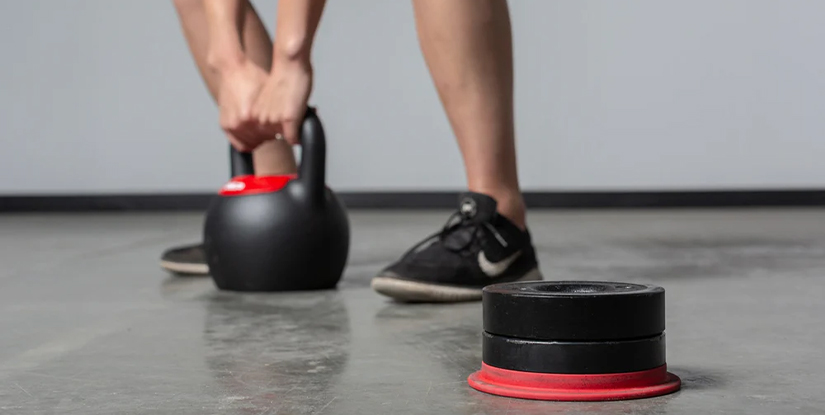
Load Integrity and Material Failure Modes in Heavy Training
When incorporating a 60Kg Kettlebell into a high-performance strength or conditioning program, the primary concern for facility operators is not just the weight itself, but the structural integrity of the equipment under extreme stress. A failure in a mass-heavy implement is not a minor inconvenience; it is a critical safety event. The most common problem encountered with ultra-heavy implements is structural fatigue or casting flaws that manifest during high-velocity movements like swings or snatches.
Common Structural Defects to Monitor
High-mass implements often suffer from internal voids or surface micro-fractures caused by poor cooling processes during the casting phase. If a facility manager notices irregular surface texture or a 'grainy' feel that wasn't present during initial unboxing, this is a significant red flag. Below is a diagnostic checklist for initial procurement inspection.
- Surface Porosity: Small pits or bubbles on the iron body can act as stress concentrators.
- Handle Uniformity: Any tapering or thinning in the handle geometry suggests inconsistent casting.
- Weight Deviation: A significant deviation from the stated 60Kg mark often indicates a low-density casting, which is structurally inferior.
By identifying these flaws at the point of entry, operators can avoid the liability associated with equipment failure. Once the physical integrity of the iron is verified, the next step involves evaluating the ergonomics of the handle-to-body ratio.
Ergonomic Specifications and Handle Diameter Tolerances
The structural verification of the metal body is only the first step; the interface between the athlete and the 60Kg kettlebell is where many technical failures occur. For a load of this magnitude, the handle diameter is a critical variable that dictates grip security and fatigue management. A common mistake is selecting a handle that is too narrow for heavy lifting, which leads to excessive pressure on the phalanges and potential grip slips during high-momentum movements.
Optimizing the Grip Interface
For professional athletes or strength coaches, the handle must accommodate thick-grip training needs while remaining manageable under high-velocity rotation. The following table outlines the technical trade-offs between various handle profiles found in heavy-duty equipment.
| Handle Profile Type | Typical Diameter Range | Primary Benefit | Operational Risk |
|---|---|---|---|
| Standard Smooth | 35mm - 40mm | Versatile for various grips | Can be slippery with moderate sweat |
| Textured/Cast | 38mm - 42mm | Increased friction for security | Can cause abrasive skin damage |
| Competition/Ergonomic | 40mm + | Optimized for high-mass stability | May be too large for lighter users |
Understanding these ranges allows a purchasing manager to specify exactly what the facility requires based on the target user profile. With the handle geometry settled, the focus must shift to the weight distribution and balance of the implement.
Center of Gravity and Dynamic Balance Verification
A properly engineered 60Kg kettlebell must possess a predictable center of gravity. In high-mass implements, a shift in the internal mass distribution can cause the bell to 'wobble' or deviate from its intended flight path during ballistic movements. This is not merely a matter of balance; it is a matter of kinetic energy control.
The Pendulum Test and Balance Verification
To verify that a kettlebell is balanced correctly, operators should utilize a static test before introducing dynamic movement. If the center of gravity is off-center, the implement will behave unpredictably once it reaches high velocities. Professionals should look for these indicators of poor mass distribution:
- Asymmetric Swing: The bell pulls harder to one side during a standard swing.
- Unpredictable Rotation: The bell rotates unevenly during a clean or snatch.
- Non-Uniform Surface Wear: One side of the bell shows more impact wear than the other after standard floor drops.
If an implement fails these balance checks, it should be removed from service immediately. Ensuring the weight is balanced is a prerequisite for the maintenance of the surrounding floor environment.
Related reading:
Floor Impact Mitigation and Surface Protection
Because a 60Kg kettlebell carries immense kinetic energy, the secondary impact on the facility's flooring is a major operational concern. Many facility managers overlook the fact that the 'impact force' of a 60kg mass falling from a height is significantly greater than 60kg due to gravity and velocity. This can lead to the compression of gym flooring or the cracking of subfloors if not properly managed.
Selecting Appropriate Shore Hardness for Impact Zones
To protect the capital investment of the building, the flooring must be matched to the weight of the equipment. A high-density rubber floor is standard, but for a 60Kg mass, specific parameters should be verified.
| Flooring Material | Shore Hardness (Approx.) | Recommended Use Case | Durability Rating |
|---|---|---|---|
| Light Rubber (EVA) | 50A - 55A | Yoga/Light Strength Areas | Low (High dent risk) |
| Commercial Rubber Tile | 60A - 65A | Standard Weight Rooms | Medium (Good for general use) |
| High-Density Vulcanized | 70A + | Heavy Lifting/Kettlebell Zones | High (Minimal compression) |
The goal is to provide enough shock absorption to prevent bounce while maintaining enough density to prevent permanent indentation. This protection is essential, as failing to address floor loading leads to costly structural repairs. Once the floor is secured, the long-term durability of the kettlebell itself must be maintained through regular inspection.
Routine Inspection and Maintenance of High-Mass Implements
Regular maintenance of a 60Kg kettlebell is less about 'repairing' the tool and more about 'detecting' gradual degradation. Unlike mechanical gym equipment, a kettlebell's maintenance is primarily a visual and tactile inspection routine designed to catch the onset of failure.
The Maintenance Checklist for Facility Managers
A scheduled inspection should occur at least once per quarter, or more frequently in high-traffic commercial gyms. The following checklist serves as a standard for professional operators.
- Rust and Oxidation Check: Inspect the cast iron for signs of deep pitting, which can weaken the structure.
- Handle Integrity: Feel for any hairline cracks or irregularities in the metal surface.
- Weight Consistency: Periodically verify the weight on a calibrated scale to ensure no material loss from heavy impact.
- Surface Smoothness: Ensure no new burrs or sharp edges have developed that could cause injury.
By maintaining this cadence, a facility can ensure that the 60Kg kettlebell remains a safe and reliable tool for years. A well-maintained implement is a predictable implement, which leads us to the final and most critical step: safe operational deployment.
Related reading:
Operational Safety Protocols for Heavy Implement Use
The deployment of a 60Kg kettlebell requires specific environmental and procedural controls. The risk of injury increases exponentially with the weight of the implement, making standard gym safety rules insufficient. Operators must implement strict protocols to mitigate the risks of fatigue and accidental release.
Environmental Constraints and Spatial Requirements
A common failure in gym design is not providing enough 'buffer space' around heavy lifting stations. When handling a 60Kg mass, the radius of movement is much larger than with lighter weights. Ensure the following environmental factors are met:
- Ceiling Clearance: Verify that overhead obstructions (lights, fans, or pipes) are outside the vertical arc of a high-volume swing.
- Lateral Buffer: Maintain at least 2 meters of clear space on all sides of the user to account for lateral momentum loss.
- Floor Debris Management: Ensure the lifting area is free of dust or moisture, as a 60kg load increases the difficulty of quick stabilization.
Implementing these protocols ensures that the high-mass training remains a controlled and professional activity. With the operational framework established, the final stage is the verification of total facility readiness.
Related reading:
Verification of Readiness and Load Capacity
Before a new shipment of heavy implements arrives or a new training program begins, a final verification of the entire ecosystem must be performed. This includes the intersection of the equipment, the user, and the building structure. A successful verification means that all technical, ergonomic, and environmental variables are aligned.
The Final Readiness Audit
Use the following criteria to sign off on the readiness of a heavy kettlebell training station:
- Equipment Check: All 60Kg implements have passed the structural and balance tests.
- Floor Check: The flooring material has been verified as suitable for the calculated impact force.
- Space Check: The clearance zones are marked and unobstructed.
- Personnel Check: Users are trained in the specific mechanics of high-mass ballistic movements.
When all these layers of verification are completed, the facility is no longer just a room with heavy weights, but a highly controlled, professional-grade strength environment.