
Supporting Business Goals with a Gym Equipment Solution: A Procurement and Operations Guide
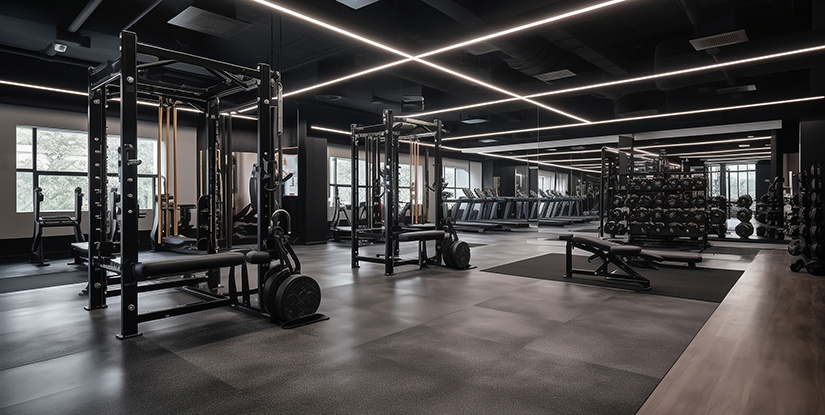
For facility operators and commercial gym owners, a significant portion of the capital expenditure (CAPEX) budget is tied directly to equipment procurement. However, many businesses fail to see the full ROI because they treat equipment as a one-time purchase rather than a long-term operational component. The primary failure mode in this sector is not the purchase of low-quality goods, but rather the lack of a strategic alignment between the equipment's technical specifications and the business's specific operational demands. When equipment downtime increases or replacement cycles shorten unexpectedly, it directly erodes profit margins. This guide provides the technical rigor required for supporting business goals with a gym equipment solution through strategic selection, rigorous inspection, and disciplined maintenance.
Mitigating Capital Erosion Through Strategic Equipment Selection
The first step in supporting business goals is avoiding the 'low-bid trap.' Many procurement managers prioritize the lowest upfront cost, only to face astronomical long-term costs due to frequent part failures or premature obsolescence. To align with business goals, one must evaluate the Total Cost of Ownership (TCO) rather than just the purchase price.
Analyzing the Lifecycle Costs of Strength vs. Cardio Equipment
Different categories of equipment present different risk profiles. Strength equipment, characterized by high-density steel and heavy-duty bearings, often has a longer mechanical lifespan but requires higher structural integrity. Cardio equipment, being electromechanical, presents a higher frequency of electronic and component-based failures. Understanding these nuances allows for better budget forecasting.
| Equipment Category | Primary Failure Mode | Technical Verification Metric | Typical Replacement Driver |
|---|---|---|---|
| Strength Machines | Cable fraying / Bearing seizure | Weight stack smoothness / Pin alignment | Mechanical wear/structural fatigue |
| Cardio Machines | Console failure / Belt slippage | Error code frequency / Motor heat | Electronic obsolescence |
| Free Weights | Surface degradation / Odor | Coating integrity / Weight uniformity | Aesthetic/Hygiene decline |
By analyzing these failure modes during the selection phase, operators can better predict when to allocate funds for part replacements. This predictive capability is the foundation for moving from reactive repair to proactive asset management, a process that begins with the physical inspection of components once they arrive on-site.
Establishing Rigorous Pre-Installation Inspection Protocols
Once the equipment arrives, the risk moves from procurement error to receiving error. A common mistake is signing off on a delivery without a technical inspection. A faulty piece of equipment that passes initial receipt but is incorrectly installed will result in accelerated wear and potentially unsafe working conditions for members.
Standard Operating Procedure for Receiving High-Value Assets
An effective inspection protocol must move beyond visual aesthetics and focus on technical compliance. For instance, checking the thickness of steel tubing or the tension of cables is essential for verifying that the product matches the promised commercial grade. A failure to verify these specs during the receiving stage often leads to disputes with suppliers that are difficult to resolve once the item is in use.
- Structural Integrity Check: Inspect all weld points for consistency and uniformity. Any signs of porosity or uneven beads can lead to stress fractures under load.
- Fastener Verification: Ensure all bolts are present and of the correct grade. Misaligned holes in frame assembly often indicate poor manufacturing tolerance.
- Surface Finish Assessment: Check for any chips or scratches in the powder coating. In high-humidity environments, even a small chip can become an oxidation point.
- Movement Calibration: For selectorized machines, test the movement of the weight stack through its entire range to detect any friction or catching points.
Rigorous verification at the receiving stage ensures that the technical foundation of your facility is sound. Once the equipment is installed and the documentation is verified, the focus must shift to the day-to-day operational stability provided by regular maintenance.
Explore the complete technical specifications:
Optimizing Operational Uptime through Preventative Maintenance
The most significant impact on a gym's profitability is often invisible: equipment downtime. When a machine is 'out of order,' you are essentially losing the value of that square footage. A robust maintenance schedule is not an optional expense; it is a method of protecting your revenue-generating assets.
The Difference Between Reactive and Preventative Maintenance
Reactive maintenance is the practice of fixing a machine after it has already failed. This leads to unplanned downtime, unexpected shipping costs for parts, and member dissatisfaction. Preventative maintenance, conversely, involves a structured cadence of lubrication, tensioning, and cleaning to forestall these issues.
A professional operator should maintain a maintenance log that records the following critical touchpoints. Failure to document these can lead to the loss of warranty claims and a lack of historical data for troubleshooting.
| Component Type | Action Required | Frequency (Standard) | Success Indicator |
|---|---|---|---|
| Linear Bearings/Bushings | Lubrication (Silicone-based) | Monthly / Quarterly | Zero jitter or noise during movement |
| Drive Belts (Cardio) | Tension adjustment / Cleaning | Bi-Monthly | Consistent speed and minimal vibration |
| Cables & Pulleys | Visual inspection / Tension check | Weekly | No fraying or visible wire strands |
Implementing these regular checks ensures that the equipment operates within its intended technical tolerances. However, even with perfect maintenance, technical failure can occur, requiring a disciplined troubleshooting approach.
Explore the complete technical specifications:
Technical Troubleshooting and Rapid Fault Diagnosis
Despite the best preventative efforts, equipment will eventually deviate from its optimal performance. The goal of a professional operator is to diagnose the root cause quickly to minimize downtime. Misdiagnosing a symptom as the cause is a common mistake that leads to repeated part replacements and wasted labor.
Systemic vs. Localized Fault Identification
When a machine behaves erratically, the technician must distinguish between a localized mechanical failure and a systemic electrical or structural issue. For example, a noise in a strength machine might be a localized bearing issue (requiring grease or replacement), or it could be a systemic issue with the frame misalignment (requiring re-leveling).
- Diagnostics Checklist: Is the issue mechanical (friction/tension) or electronic (sensor/power)?
- The 'Single Component' Rule: Before replacing an entire module, verify the sub-component (e.g., check the sensor before replacing the control board).
Use the following troubleshooting logic to direct your staff or external technicians:
- Issue: Resistance Inconsistency. Check for cable tension first, then move to pulley bearing smoothness, and finally check for weight stack alignment.
- Issue: Electronic Error Codes. Check power supply stability first. If consistent, the error is likely a sensor or motherboard fault.
- Issue: Excessive Vibration. Check for loose floor bolts/mounting, then check belt tension, then inspect for unlevel ground/flooring.
Once the fault is identified and resolved, the final step is verifying the fix through a stress test. This brings us to the critical role of safety and the continuous improvement of the equipment solution.
Standardizing Safety Protocols and Compliance Monitoring
Supporting business goals requires a complete lack of legal and reputational liability. In the gym industry, equipment failure is not just a maintenance issue; it is a massive liability risk. Maintaining a high standard of safety through continuous monitoring is non-negotiable for a professional operator.
Establishing a Tiered Inspection System
A single annual inspection is insufficient. A tiered system allows for different levels of scrutiny depending on the user's proximity to the equipment. This ensures that high-risk components (like cables) are checked more frequently than low-risk components (like weight plates).
Tier 1: Daily Operator Walkthrough (End-User Level)
Focus on visible wear, cleanliness, and obvious mechanical issues (e.g., torn upholstery or loose pins). This should be completed before the facility opens.
Tier 2: Weekly Technical Audit (Staff Level)
Focus on lubrication points, cable tension, and testing electronic function. This requires a standardized checklist to ensure consistency across shifts.
Tier 3: Quarterly Deep-Dive (Specialist Level)
Focus on bolt torque verification, motor brush inspection, and structural stress testing. This tier often requires external professional assistance.
By adhering to these tiered levels of scrutiny, you create a culture of safety that protects both the consumer and the business's long-term reputation. As technology evolves, these protocols must be reviewed to ensure they remain effective against new equipment architectures.
Optimizing Staff Training for Equipment Longevity
A frequently overlooked aspect of supporting business goals is the human element. Even the highest quality equipment can suffer premature failure if misused. A lack of standardized user guidance is a significant contributor to accelerated wear and tear.
Developing User-Centric Operating Standards
To maximize the lifespan of your assets, operators must implement clear signage and training protocols. This reduces the frequency of 'user-induced' failure modes, such as dropping weights improperly or exceeding the weight stack capacity.
- Visual Guidance: Use durable, high-visibility signage near machines to illustrate correct form and weight limits.
- Staff Competency: Ensure floor staff can identify the early signs of wear (e.g., subtle changes in cable tension) to prevent small issues from becoming total failures.
- Feedback Loops: Create a system for members to report 'unusual sensations' during use. A machine that feels 'different' often provides the first warning of a pending mechanical failure.
By bridging the gap between technical maintenance and user behavior, a business can significantly extend the lifecycle of its equipment assets, thereby improving overall facility performance.
The Impact of Equipment Longevity on Facility ROI
Ultimately, the success of your gym equipment solution is measured by the longevity of the assets. A facility that manages its equipment well will have a higher secondary market value and a lower long-term debt-to-income ratio. This final technical layer connects the operational excellence discussed throughout the guide back to the core business objectives.
A professional approach to equipment management turns a depreciating asset into a predictable, high-performing component of your business model. When you focus on the technical details—from the initial procurement specs to the quarterly torque checks—you are not just buying machines; you are investing in the stability and scalability of your enterprise.