
Optimizing Facility Longevity with Recycled Rubber Weight Plates
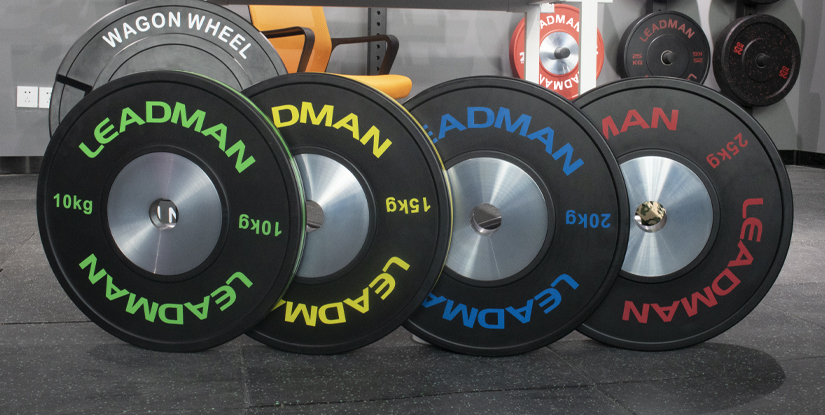
The Durability Gap in Commercial Weight Rooms
Facility managers often encounter a recurring issue: the rapid degradation of weight plates due to impact-related cracking or diameter inconsistencies. This degradation is frequently caused by substandard bonding processes during the manufacturing of recycled materials, leading to premature structural failure. When a facility invests in heavy-duty equipment, the goal is long-term reliability, yet low-quality Recycled Rubber Weight Plates can introduce significant operational headaches, including uneven weight distribution and increased floor vibration.
To avoid these pitfalls, operators must look beyond the surface aesthetics and focus on the density and structural integrity of the rubber-to-metal interfaces. Understanding the physical properties of these components is the first step in preventing premature replacement cycles. This technical foundation allows for more informed decisions regarding material density and diameter tolerances.
<Material Composition and the Density Dilement
Effective selection begins with understanding the ratio of granulated rubber to the binding agent. In high-traffic commercial environments, the primary failure mode is 'crumbling' or surface erosion, often caused by a lack of sufficient polymer binder. When the binder content is too low, the plate loses its ability to absorb kinetic energy, transferring the shock directly to the gym floor and the structural framework of the weight rack.
Understanding Shore Hardness and Impact Absorption
The density of the rubber directly correlates to its Shore hardness, a measure of resistance to indentation. For a professional gym, selecting the correct density range is a critical decision criterion. If the plates are too hard, they lack the shock absorption necessary to protect the flooring; if they are too soft, they may exhibit permanent deformation under heavy loads.
| Plate Type | Relative Hardness | Primary Application | Impact Characteristics |
|---|---|---|---|
| High-Density Recycled | Higher Shore A | Heavy Compound Lifting | Minimal deformation, high vibration transfer |
| Standard Commercial | Medium Shore A | General Strength Training | Balanced absorption and durability |
| Soft-Impact Recycled | Lower Shore A | High-Drop Environments | Maximum shock absorption, higher wear risk |
As density becomes a baseline requirement, operators must also consider the physical dimensions and the precision of the center hole. A well-constructed plate ensures that the weight remains balanced during movement. This structural precision leads us to the essential task of verifying dimensional accuracy during the procurement phase.
Verifying Dimensional Tolerances and Weight Accuracy
A common mistake in facility procurement is failing to account for the inherent variability in recycled materials. Because the core material is composed of reclaimed components, slight variations in the diameter or thickness can occur. If these variations exceed the industry standard, they can lead to uneven loading on barbells, potentially causing mechanical instability during heavy lifts.
The Diameter and Thickness Verification Checklist
Before finalizing a large-scale order, procurement managers should request technical specifications regarding the diameter tolerances. A professional-grade plate should maintain a consistent diameter to ensure it fits smoothly on a standard 50mm Olympic bar without binding or excessive wobbling. Use the following checklist to verify incoming shipments:
- Diameter Consistency: Measure three different plates of the same weight; the variance should be minimal.
- Center Hole Alignment: Ensure the central sleeve is perfectly concentric to prevent barbell imbalance.
- Thickness Uniformity: Check that the thickness remains consistent across the plate face to prevent uneven weight distribution.
- Edge Integrity: Inspect for any fraying or loose rubber granules along the perimeter.
Verifying these metrics ensures that the weight distributed across the barbell is as accurate as possible. Once the accuracy of the plates is confirmed, the focus must shift toward how these components interact with the surrounding facility infrastructure.
Related reading:
Managing Floor Load and Impact Displacement
The relationship between the weight plates and the subfloor is a critical component of facility safety. Heavy usage of Recycled Rubber Weight Plates generates significant downward force during drops. If the facility does not account for this, the structural integrity of the subfloor can be compromised over time. This is not just a matter of plate durability, but of systemic facility management.
Mitigating Subfloor Compression and Vibration
Failure to implement adequate damping can lead to 'subfloor settling,' where the impact of heavy weight causes the foundation to shift or crack. To mitigate this, operators must consider both the plate's density and the thickness of the gym flooring underneath. A synergistic approach involves matching the plate's impact profile with a high-quality, high-density rubber matting system.
| Potential Issue | Primary Cause | Corrective Action / Prevention |
|---|---|---|
| Floor Scuffing | Low-quality binding in rubber | Verify plate surface finish during procurement |
| Excessive Vibration | Hard-density plates on thin mats | Install 20mm+ high-density flooring |
| Structural Cracking | Uncontrolled kinetic energy transfer | Ensure weight drop zones are reinforced |
By managing the interplay between the weight and the floor, you extend the life of both the equipment and the building. This brings us to the essential routine of maintenance required to keep the equipment in peak condition.
Related reading:
Maintenance Intervals and Surface Integrity Inspection
While recycled rubber is exceptionally durable, it is not indestructible. Environmental factors such as humidity, cleaning chemicals, and extreme temperature shifts can affect the polymer bonds over time. A lack of a structured inspection routine often leads to unexpected failures that can disrupt gym operations.
Routine Inspection Protocol for Commercial Facilities
A proactive maintenance schedule is the most effective way to extend the lifecycle of your equipment. Operators should implement a tiered inspection approach to identify issues before they become safety hazards. The following protocol is recommended for commercial-grade weight rooms:
- Weekly Visual Audit: Scan for surface cracking, crumbling edges, or discoloration that might indicate chemical degradation.
- Monthly Weight Verification: Use a certified scale to check if a sample of the plates has lost significant mass due to granule shedding.
- Quarterly Structural Check: Inspect the metal inner sleeves for rust or deformation that could affect the plate's seating on the barbell.
Regularly checking the physical state of the plates ensures that the facility remains safe and compliant with safety standards. When these checks are integrated into the weekly routine, the transition to long-term storage or movement becomes much more predictable.
Related reading:
Common Failure Modes and Troubleshooting
In many high-traffic environments, the most visible sign of failure is 'granular shedding,' where tiny pieces of rubber begin to fall from the plate. This is often a sign that the binding agent used in the manufacturing process was insufficient for the level of impact being experienced. Identifying the cause of this failure is necessary to prevent it from recurring in future purchases.
Diagnosing Material Degradation
When a facility experiences rapid wear, it is essential to determine if the issue lies with the equipment or the environment. For example, using harsh, non-neutral pH cleaners can accelerate the breakdown of the rubber's polymer structure. Below is a guide to diagnosing common issues observed in weight rooms:
| Symptom | Possible Cause | Verification Step |
|---|---|---|
| Surface Crumbling | Low polymer binder content | Check technical spec sheet for binder percentage |
| Odors/Off-gassing | Unprocessed recycled materials | Verify the material is VOC-compliant/processed |
| Plate Warping | Extreme temperature exposure | Inspect storage area for temperature regulation |
Understanding these failure modes allows operators to make better procurement decisions. Correcting the environmental or procurement errors ensures that the equipment performs as intended for its full expected lifespan.
Related reading:
Procurement Strategy for Long-Term Reliability
The final step in a successful implementation is the procurement strategy itself. To ensure that you are receiving high-quality Recycled Rubber Weight Plates, you must look beyond the initial price point. A lower cost per plate often indicates a higher percentage of unrefined fillers, which directly translates to a shorter product lifespan and higher maintenance costs.
Selection Criteria for Facility Managers
When drafting a Request for Proposal (RFP) or contacting suppliers, specify that you require technical documentation regarding the manufacturing process. Do not accept generic descriptions; ask for specific details regarding the density and the bonding method used. A professional-grade plate is an investment in the facility's operational stability.
- Ask for Shore Hardness Data: Ensure the hardness matches your floor's absorption capabilities.
- Request Material Composition Details: Confirm the ratio of recycled rubber to binding agents.
- Verify Certifications: Ensure the products meet international safety and environmental standards for commercial use.
With a rigorous selection process, the facility is set up for long-term success, reducing the need for frequent replacements and minimizing downtime. This comprehensive approach ensures that every component of the weight room works in harmony with the others.