
Optimizing Facility Longevity with Recycled Rubber Bumper Plates
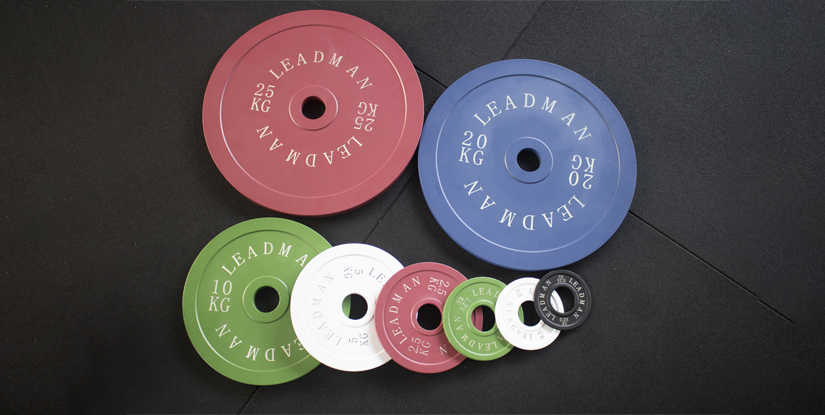
Understanding the Structural Integrity of Recycled Rubber Bumper Plates
Facility managers often encounter premature degradation in weightlifting equipment, frequently misattributing the cause to improper usage rather than material fatigue. When selecting high-impact lifting gear, the fundamental issue often lies in the density and binding agents used during the compaction process. High-quality Recycled Rubber Bumper Plates are engineered to mitigate these failures by utilizing a high-density crumb rubber matrix that absorbs kinetic energy without fracturing the internal structure.
The primary failure mode in lower-grade alternatives is "cracking under load," where the plate develops surface fissures due to insufficient elasticity. This is typically caused by an over-reliance on cheap fillers that lack the tensile strength of pure recycled rubber. To verify quality, operators should perform a visual inspection for micro-fractures after high-velocity drops. Once the material composition is understood, the next critical factor becomes the tolerance of the central sleeve.
Material Density and Impact Resistance
In commercial settings, the density of the rubber dictates the lifespan of both the plate and the surrounding floor. A plate with inconsistent density will create uneven rebound, increasing the risk of lateral movement during a lift. Professional-grade plates maintain a uniform Shore hardness range, ensuring that the impact force is distributed evenly across the surface area.
| Material Grade | Typical Application | Expected Lifespan | Rebound Profile |
|---|---|---|---|
| Standard Recycled Rubber | Light Commercial / Home Gym | Medium | High/Bouncy |
| High-Density Compression | Professional Training Centers | Long | Controlled/Dampened |
| Premium Reinforced Rubber | High-Volume Competition | Maximum | Minimal/Static |
Ensuring you select a plate with a controlled rebound profile will significantly reduce the mechanical stress on your barbell and the facility floor. With the material foundation secured, operators must now focus on the precision of the internal diameter.
Critical Tolerances in Bumper Plate Central Sleeves
While the rubber exterior provides the necessary impact absorption, the central sleeve is the primary point of mechanical friction. A common pain point for gym owners is the development of "play" or wobbling within the barbell sleeve, which can lead to uneven weight distribution and dangerous oscillations during heavy lifts. This is often caused by an imprecise manufacturing process or the use of low-quality steel inserts that do not match the expansion/contraction rates of the rubber.
To prevent this, technical specifications must clearly define the tolerance levels for the internal diameter. A high-quality plate should maintain a tight fit to ensure the barbell remains stable during transitions. If an operator notices the plate sliding unevenly or making a loud metallic rattling sound during light movements, it is a sign that the sleeve tolerance has exceeded acceptable commercial limits.
Verifying Sleeve Fit and Centration
The following checklist allows facility managers to audit their current inventory for sleeve-related defects:
- Diameter Measurement: Use a digital caliper to ensure the internal diameter remains within 1-2mm of the rated specification.
- Centration Check: Spin the plate on a standard barbell; any excessive axial wobble indicates a centricity failure.
- Friction Test: Observe the ease of loading and unloading; resistance that feels "gritty" suggests metal shavings or poor finishing within the sleeve.
Accurate sleeve tolerances are non-negotiable for high-performance lifting. Once the mechanical fit is verified, the focus must shift to the surface finish and its impact on long-term maintenance.
Surface Texture and Grip Performance Requirements
A secondary but equally important failure mode involves the surface texture of the plates. In high-humidity environments or during intense training sessions, a plate that is too smooth can become a slipping hazard, especially during hand-to-plate transitions or when handling plates during setup. Conversely, an overly aggressive texture can lead to excessive wear on the user's hands and gloves.
The ideal surface finish for Recycled Rubber Bumper Plates involves a micro-textured or matte finish that provides grip without being abrasive. This texture is achieved through the specific grain size of the recycled rubber used in the molding process. If the plates appear excessively shiny or "glassy," they have likely been over-polished or contain a high percentage of synthetic binders that reduce friction. This can lead to a dangerous lack of control during high-volume movements.
Comparing Surface Topographies
Operators should evaluate their plates against the following functional categories to determine if a replacement is necessary:
| Texture Profile | Grip Reliability | Wear Rate (Hands) | Cleaning Ease |
|---|---|---|---|
| High-Gloss/Smooth | Low (Slippery) | Very Low | Easy |
| Micro-Textured (Standard) | Moderate/High | Moderate | Moderate |
| Aggressive/Coarse | Very High | High | Difficult |
By selecting a texture that balances grip and durability, you ensure both user safety and ease of facility upkeep. Transitioning from surface integrity to the larger ecosystem, we must address how these plates interact with the floor.
Related reading:
Floor Load Management and Shock Absorption Dynamics
The durability of your Recycled Rubber Bumper Plates is only half of the equation; the other half is the protection of your subfloor. A common mistake among new facility operators is failing to account for the combined mass and kinetic energy of a dropped barbell. If the shock absorption provided by the plates is insufficient, the downward force will transmit directly into the concrete or wooden subfloor, leading to structural cracks or permanent floor deformation.
This issue is caused by a mismatch between the plate's density and the floor's shock absorption capabilities. While bumper plates are designed to absorb energy, they do not eliminate it entirely. If you are using high-density plates on a thin rubber mat, the impact force will eventually bypass the mat and strike the hard substrate. To mitigate this, operators must calculate the total load capacity of their flooring system before introducing heavy lifting zones.
Optimizing the Impact Zone
To ensure long-term floor health, implement the following setup strategy:
- Layered Defense: Use a high-density rubber platform (minimum 20mm-40mm) specifically designed for deadlift zones.
- Vibration Dampening: Ensure the platform is level and free of gaps to prevent energy from leaking into the subfloor.
- Monitoring: Check for subtle changes in floor level or cracks in adjacent areas after heavy dropping sessions.
Proper floor management protects your capital investment. With the physical setup secured, it is time to establish a rigorous inspection and maintenance cadence.
Related reading:
Routine Inspection and Maintenance Protocols
Even the most durable equipment requires a structured maintenance schedule to prevent catastrophic failure. For commercial gym owners, the cost of replacing a full set of plates is significantly higher than the cost of a disciplined inspection routine. Most equipment failures are preventable through regular, systematic observation of wear patterns and material changes.
The most frequent oversight in facility management is the lack of a documented inspection log. Without a baseline, it is impossible to track the rate of degradation over time. An effective protocol should include both visual and tactile inspections performed on a monthly or quarterly basis, depending on the volume of use in the facility.
Standardized Inspection Checklist
Use the following table to guide your quarterly maintenance audits:
| Component | Inspection Point | Action if Failed |
|---|---|---|
| Plate Surface | Cracks, pitting, or discoloration | Replace if structural integrity is compromised |
| Center Hole | Wobble, deformation, or metal debris | Deep clean or replace if tolerance is lost |
| Edge Profile | Rounding or chipping of the perimeter | Check for impact consistency/surface levelness |
| Color Consistency | Fading or uneven pigment loss | Monitor for chemical/UV exposure issues |
Maintaining these standards ensures that your equipment remains safe and professional. As you refine your maintenance, you should also prepare for the eventual lifecycle end of the product.
Related reading:
Managing the Lifecycle and Replacement Cycles
Understanding the end-of-life threshold for Recycled Rubber Bumper Plates is essential for budgeting and procurement. Unlike steel plates, rubber components undergo a gradual loss of elasticity due to UV exposure, temperature fluctuations, and mechanical fatigue. Recognizing the subtle signs of aging allows for a planned transition rather than an emergency replacement.
A common mistake is waiting until a plate visibly breaks before ordering replacements. By then, the entire set may have reached a similar level of fatigue, making a partial replacement ineffective for maintaining balanced lifting sets. Instead, facility managers should adopt a data-driven procurement strategy based on the observed lifecycle of their specific installation environment.
Signs of Imminent Replacement Necessity
Monitor for these high-level indicators of material fatigue:
- Reduced Rebound: The plate no longer returns to its shape quickly, feeling "dead" or sluggish upon impact.
- Odor Changes: A significant change in the scent of the rubber can indicate the breakdown of chemical binders.
- Weight Drift: Significant changes in actual weight (compared to the stamped value) due to material loss or moisture absorption.
By tracking these metrics, you can ensure your facility remains at a professional standard without unexpected downtime. As technology evolves, the future of these materials continues to shift toward even higher density and sustainability.
Related reading:
Future Trends in High-Performance Recycled Materials
The evolution of Recycled Rubber Bumper Plates is moving toward even more precise engineering. We are seeing a transition from simple recycled crumb to advanced, high-compression polymer blends that offer nearly zero rebound and extreme longevity. This shift is driven by the need for even more durable equipment in high-traffic commercial environments.
As material science advances, the distinction between "recycled" and "premium" will become even more pronounced. Future iterations will likely feature even more sophisticated thermal stability, ensuring that plates perform identically in a climate-controlled boutique studio and a high-heat outdoor training facility. Staying informed on these developments allows procurement managers to make future-proof decisions.