
Optimizing Gym Floor Longevity with Rubber 10 Lb Plates
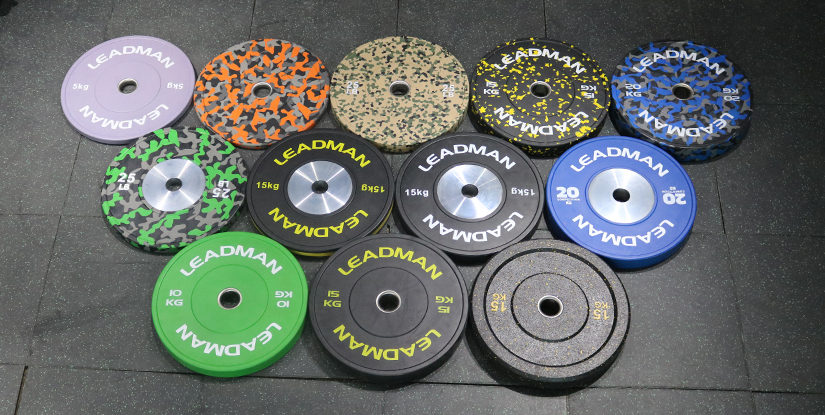
Addressing Material Degradation in Rubber 10 Lb Plates
Facility managers often encounter a recurring issue where weight plates lose their structural integrity or begin to emit a chemical odor that permeates the training area. This is frequently a symptom of using low-grade, recycled rubber compounds that lack the necessary UV stabilizers and binders. When low-quality Rubber 10 Lb Plates are subjected to consistent temperature fluctuations in a commercial environment, the outer casing can crack or peel, exposing the inner filler material. This degradation not only looks unprofessional but also presents a hygiene risk as dust and moisture can accumulate within the fissures.
Identifying High-Density vs. Low-Density Compounds
To prevent this, operators must distinguish between high-density vulcanized rubber and cheaper, molded rubber alternatives. High-density plates maintain their shape under heavy load and are significantly more resistant to the thermal expansion that leads to cracking. A common mistake is selecting plates based solely on weight and color without verifying the density or the binder quality. A professional-grade plate should feel solid and uniform, with no visible air pockets or uneven surface texture. By understanding the fundamental composition of the material, procurement managers can ensure a longer lifecycle for their weight inventories.
Once the material quality is established, the next critical step involves understanding how these plates interact with your facility's flooring systems.
Floor Impact Dynamics and Surface Protection
A common pain point for gym owners is the premature wear of flooring caused by the impact of dropped weights. While Rubber 10 Lb Plates are generally used for lighter, controlled movements, they still contribute to the total kinetic energy transferred to the floor during high-volume training sessions. If the plates are dropped from significant heights without proper shock absorption, the sheer force can cause micro-fractures in even high-quality rubber flooring. This results in localized indentation or a 'trampoline effect' where the floor fails to return to its original shape.
Optimizing the Shock Absorption Interface
To mitigate this risk, operators should match the density of the plates with the Shore hardness of their gym flooring. The following table outlines the typical relationship between plate impact and floor requirements:
| Activity Type | Typical Impact Force | Recommended Flooring Hardness | Risk Level |
|---|---|---|---|
| Lighter Strength Training | Low to Moderate | Higher Shore Hardness (Firm) | Low |
| High-Volume Circuit Training | Moderate | Medium Shore Hardness | Moderate |
| Uncontrolled Dropping Scenarios | High | Lower Shore Hardness (Shock Absorbing) | High |
Verification of this setup involves a simple 'bounce test' or visual inspection of the floor surface after one month of heavy use. If indentations are visible, the floor is either too soft for the weight density or the plates are being handled with insufficient control. Proper floor-weight synergy is essential before moving into the specific maintenance requirements for the weights themselves.
Standard Operating Procedures for Plate Maintenance
Maintenance of weight equipment is often overlooked in busy commercial settings, leading to a rapid decline in both aesthetics and functionality. For Rubber 10 Lb Plates, the primary maintenance concerns are surface contamination and the buildup of skin oils, which can soften the rubber over time. Neglecting these subtle changes can lead to a sticky surface that makes handling the plates difficult and unhygienical for members.
Step-by-Step Cleaning and Inspection Protocol
Operators should implement a weekly maintenance routine to ensure the equipment remains in peak condition. The goal is to remove contaminants without using harsh chemicals that could degrade the rubber binders. A common error in this process is using petroleum-based cleaners or highly acidic solutions, which strip the protective coatings from the rubber.
- Step 1: Visual Inspection: Check for cracks, peeling edges, or any signs of 'blooming' (a white, waxy substance appearing on the surface).
- Step 2: Surface Decontamination: Use a mild, pH-neutral soap solution and a damp microfiber cloth to wipe down the plates.
- Step 3: Drying: Ensure plates are completely dry before returning them to a rack to prevent moisture from being trapped between the plate and the barbell sleeve.
- Step 4: Record Keeping: Note any damaged units in a maintenance log to track replacement cycles.
By adhering to a strict cleaning protocol, the lifespan of the equipment is significantly extended. Following a clean and inspect cycle, the next focus is the precision of the weight itself.
Related reading:
Verifying Weight Accuracy and Tolerance Levels
In a commercial setting, precision is paramount. One of the most significant frustrations for serious athletes is the realization that their equipment is 'off-weight.' Inconsistent Rubber 10 Lb Plates can occur when the molding process is imprecise, leading to weight variances that make progressive overload difficult to track. If a plate labeled as 10 lbs actually weighs 9.5 or 10.5 lbs, it undermines the credibility of the facility's training environment.
Standard Tolerances in Commercial Equipment
Professional facilities should demand weights that adhere to strict manufacturing tolerances. The following table demonstrates the expected performance ranges for high-quality training gear:
| Weight Category | Standard Tolerance (±) | Acceptable Variance Range | Action if Outside Range |
|---|---|---|---|
| Rubber 10 Lb Plates | 0.25 Lb | 9.75 - 10.25 Lbs | Return to Supplier |
| Standard Barbell | 0.5 Lb | Full range of barbell spec | Recalibrate or Replace |
| High-End Bumper Plates | 0.5 Lb | Strictly controlled | Audit Manufacturer |
To verify accuracy, operators should perform a periodic 'bulk check' by weighing a sample set of plates on a calibrated digital scale. Ensuring weight accuracy leads directly to the final stage of the lifecycle: storage and organization.
Related reading:
Optimizing Storage and Preventing Mechanical Stress
How Rubber 10 Lb Plates are stored is just as important as how they are used. Improper storage is a leading cause of plate deformation and rim damage. When plates are stacked haphazardly in deep piles or stored on uneven surfaces, the pressure on the bottom plates can lead to permanent warping or a flattened appearance, making them difficult to load onto barbells.
Best Practices for Plate Organization
Effective storage maximizes both floor space and equipment longevity. Consider these three implementation strategies for your facility:
- Vertical Plate Trees: These are ideal for 10 lb plates as they allow for quick access and minimize the weight load on any single plate.
- Dedicated Weight Racks: Ensure that racks are level and that plates are not being forced onto sleeves that are too tight, which can cause structural stress.
- Environment Control: Avoid storing plates in areas with extreme direct sunlight or near heating vents, as excessive heat can soften the rubber and cause it to 'slump' under its own weight.
By prioritizing organized storage, you reduce the physical stress on the equipment and ensure it remains ready for the next user. This level of operational discipline is the hallmark of a well-managed commercial fitness space.
Related reading:
The Economic Impact of Equipment Selection
Ultimately, the decision to invest in high-quality Rubber 10 Lb Plates is a financial one. While the initial acquisition cost may be higher for premium-grade rubber, the total cost of ownership (TCO) is often much lower than that of budget-tier alternatives. Budget plates frequently require replacement every 18-24 months in high-traffic gyms, whereas high-density plates can last for many years with proper care.
Calculating the Total Cost of Ownership
When presenting a procurement budget to stakeholders, it is helpful to move beyond the 'per unit' price and focus on the lifecycle. A lower upfront price that leads to frequent replacement costs, increased labor for cleaning, and potential flooring repairs is a false economy. A decision matrix for procurement is provided below:
- Budget Option: Low upfront cost, high replacement frequency (1-2 years), higher labor/cleaning costs, increased flooring wear.
- Premium Option: High upfront cost, low replacement frequency (5+ years), minimal maintenance, preserves flooring integrity.
Investing in high-density, precision-molded equipment ensures that the facility's capital expenditure is maximized. A well-maintained, accurate weight set is a silent contributor to member satisfaction and facility longevity.