
High-Performance Plate Rubber Selection and Maintenance Guide
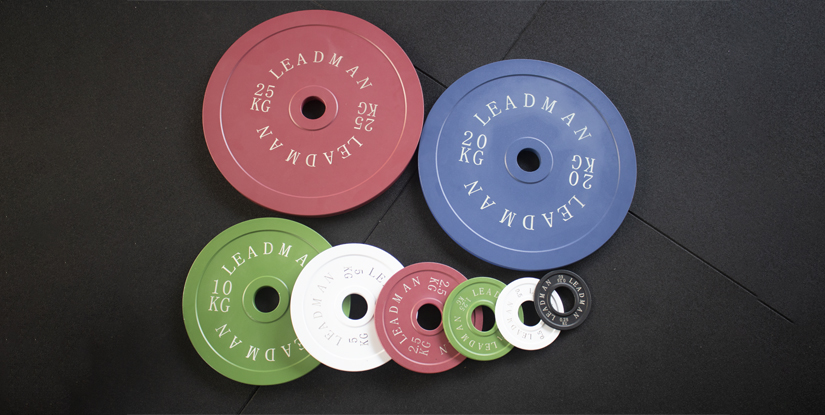
The Durability Myth of Standardized Rubber
A common misconception among facility managers is that all rubber used in commercial fitness environments is interchangeable, provided it meets a basic weight specification. This assumption leads to premature equipment degradation and unexpected replacement costs. In reality, the performance of Plate Rubber is not merely a matter of weight, but a complex interaction of polymer density, Shore hardness, and chemical stability. While a standard rubber coating may suffice for a residential garage, a high-traffic commercial gym requires a specific technical profile to withstand the high-impact forces of heavy deadlifts and consistent environmental fluctuations.
The fundamental problem arises when operators prioritize low initial purchase costs over the long-term coefficient of resilience. When a material lacks the necessary elasticity, it becomes brittle under repeated impact, leading to cracking or delamination. To avoid this, professionals must look beyond the price per unit and evaluate the specific physical properties of the material. Understanding these structural nuances is the first step toward building a durable facility. Once the requirements of the material are established, the next critical step involves defining the specific hardness parameters for your application.
The Impact of Density on Equipment Longevity
Density directly affects how the rubber absorbs energy. A lower density material might provide a softer feel, but it often lacks the structural integrity required for heavy-duty training environments. High-density rubber ensures that the weight plate maintains its shape and weight distribution over thousands of cycles. Evaluating the density and compression set of the material is essential for any long-term procurement strategy.
| Material Density Profile | Typical Application | Primary Risk Factor |
|---|---|---|
| Low to Medium Density | Light Aerobics / Yoga | Rapid deformation and permanent compression |
| High Density / Compacted | Strength & Conditioning | Surface cracking if hardness is too high |
| Ultra-High Density | Olympic Weightlifting | Abrasive wear on high-impact edges |
Selecting the right density profile ensures the equipment performs predictably. This technical understanding leads us directly into the specifics of hardness and surface texture.
Defining Shore Hardness and Surface Characteristics
Building on the necessity of material density, operators must now address the variable of Shore hardness. The hardness of the rubber determines the tactile feedback of the equipment and its ability to withstand abrasion. A common mistake in procurement is selecting a hardness level that is too high for the intended environment, which can lead to excessive noise and a lack of impact absorption, or too low, which results in uneven wear and easy tearing.
The Shore hardness scale provides a standardized way to communicate these properties. For commercial-grade plates, a specific range is usually optimal to balance durability with shock absorption. If the hardness is mismatched with the usage intensity, the facility will face premature replacement cycles. Therefore, verifying the hardness rating with your supplier is a non-negotiable step in the selection process.
Optimizing Surface Texture for Grip and Wear
Beyond internal hardness, the exterior surface texture plays a vital role in operational safety. A textured surface provides essential grip, especially when moisture is present, but if the texture is too aggressive, it can become a point of failure through accelerated shedding. Professionals should look for a uniform, high-quality finish that maintains its integrity under high-friction use.
- Fine Grain: Best for weightlifting and general strength training to minimize noise.
- Medium Texture: Ideal for cross-training environments with diverse movement patterns.
- Coarse/Rugged: Often used in outdoor or high-intensity functional zones, but carries higher wear risks.
By balancing hardness with surface topography, you create a more reliable training environment. However, even the highest quality material requires a systematic approach to prevent degradation caused by improper handling or environmental exposure.
The Importance of Environmental Stability
One often overlooked aspect of Plate Rubber performance is its sensitivity to ambient conditions. While rubber is inherently resilient, extreme environmental fluctuations can alter its chemical composition over time. For instance, high humidity levels combined with poor ventilation can lead to microbial growth or adhesive failure if the rubber is integrated into flooring systems. Conversely, extreme dryness can lead to static buildup and surface cracking.
When planning a facility layout, it is crucial to consider the HVAC capabilities. A well-regulated climate ensures that the polymer chains remain stable, preventing the material from becoming either too soft or too brittle. Failure to manage these environmental variables can negate even the highest quality material selection. Understanding these environmental dependencies prepares us for the physical implementation of the product.
Related reading:
Implementation Standards for Rubber Integration
Having established the material requirements, the focus shifts to how these components are integrated into the facility. Proper installation is the bridge between high-quality material and long-term performance. Even the most premium Plate Rubber will fail prematurely if the underlying support structure or the installation method is flawed. Most installation failures are not caused by the material itself, but by inadequate preparation of the base surface.
The most frequent failure mode during setup is the presence of uneven floor substrates. If the foundation is not perfectly level, the rubber components will experience uneven pressure points, leading to localized cracking or bulging. To prevent this, the substrate must be cleaned, dried, and leveled according to strict professional standards before any installation begins.
The Verification Checklist for Installation
To ensure a successful setup, operators should follow a standardized verification process. Do not assume the installation is correct simply because it looks finished. Use the following checklist to validate the integrity of the setup:
| Verification Step | Method of Assessment | Success Indicator |
|---|---|---|
| Substrate Flatness | Precision level or straight edge | Variance within industry-standard tolerance |
| Adhesion Check | Edge lift test | Zero separation at the perimeter under load |
| Expansion Gaps | Visual/Physical measurement | Consistent spacing as per manufacturer spec |
| Surface Uniformity | Visual inspection under high-intensity light | No visible bubbles, dips, or uneven seams |
Following these steps reduces the likelihood of costly re-installations. Once the setup is complete and verified, the focus must transition from installation to a rigorous maintenance and inspection regime.
Related reading:
Operational Maintenance and Inspection Cycles
A successful installation provides a baseline, but it does not guarantee perpetual performance. A proactive maintenance culture is essential to mitigate the effects of daily wear and environmental factors. Many facility managers treat rubber components as "set and forget" assets, which is a significant error. Without regular intervention, small issues like surface discoloration or minor edge wear can escalate into full-scale equipment failure.
The primary cause of premature rubber degradation in a gym setting is improper cleaning protocols. Using non-approved chemical cleaners can strip the protective layers of the material, leading to brittleness. To maintain the integrity of the surface, it is vital to implement a documented cleaning schedule that uses only neutral-pH, non-abrasive solutions.
Establishing a Routine Inspection Cadence
To avoid the high costs of reactive repairs, operators should implement a tiered inspection schedule. This ensures that minor surface changes are caught before they affect safety or aesthetics. High-intensity functional training zones, for example, require more frequent checks than standard weight rooms.
- Daily: Visual sweep for surface debris or foreign objects that could cause abrasive damage.
- Weekly: Inspection for localized discoloration or signs of chemical reaction from cleaning agents.
- Monthly: Detailed check for structural integrity, including edge cracking, seam separation, and compression issues.
By treating maintenance as a core operational task rather than an afterthought, you extend the lifecycle of your assets. These regular checks also serve as an early warning system for other equipment issues, such as unbalanced weights or rack instability.
Related reading:
Troubleshooting Surface and Structural Degradation
When maintenance protocols are strictly followed yet issues still arise, it is necessary to perform a deep-dive troubleshooting analysis. Understanding the root cause of the failure is the only way to prevent it from recurring. If you notice a pattern of failure across multiple pieces of equipment, the problem is likely systemic rather than an isolated incident.
One common scenario involves observing surface pitting or crumbling. This is frequently caused by either extreme temperature fluctuations or the use of incompatible cleaning chemicals. If the rubber becomes unusually soft or begins to emit an odor, it is often a sign of chemical contamination or poor-quality polymer blending that did not meet the original specification.
Diagnosing Common Rubber Issues
Use the following diagnostic guide to identify and address common material failures in a commercial setting:
| Observed Symptom | Probable Cause | Actionable Fix |
|---|---|---|
| Surface Pitting/Chipping | Improper chemical cleaners or high impact | Switch to neutral pH cleaners; adjust drop zones |
| Edge Cracking | Extreme temperature cycling | Control HVAC settings; ensure stable ambient temp |
| Color Fading | UV Exposure or harsh sunlight | Install UV-resistant window treatments |
| Loss of Shape/Bulging | Overloading or improper substrate | Re-verify load ratings and base leveling |
Once the cause is identified and the fix is implemented, the final step is to verify the effectiveness of the solution through a follow-up observation period. This ensures the correction actually addresses the root problem rather than just the symptom.
Related reading:
Strategic Procurement and Long-term Value
Effective facility management culminates in the ability to procure high-quality materials that align with long-term operational goals. Moving from the troubleshooting phase back to the selection phase requires a more sophisticated understanding of the market. The goal is not just to buy Plate Rubber, but to invest in a material system that supports the entire facility's ecosystem.
When ordering replacement or new components, demand technical specification sheets that detail more than just weight. Request data on Shore hardness, density, and chemical resistance. This level of scrutiny differentiates a professional procurement process from a casual purchase. By focusing on these technical benchmarks, you ensure that your procurement decisions are data-driven and defensible.
Future-Proofing Your Equipment Selection
As fitness technology and training modalities evolve, so do the demands on gym surfaces. When evaluating new products, consider how they will perform in a multi-modal environment. A versatile material that can transition between heavy lifting and high-impact functional training provides much higher long-term value than a specialized, single-use component.
Ultimately, the lifecycle of your facility equipment is a direct result of the quality of your initial selection and the rigor of your maintenance. By prioritizing technical specifications and operational reality over marketing claims, you build a durable, high-performing environment that stands the test of time.