
Functional Fitness Products for Every Gym: A Technical Procurement & Operations Guide
Addressing Equipment Degradation in High-Intensity Environments
The most significant pain point for gym operators utilizing functional fitness products is not the initial purchase price, but the rapid degradation of asset value due to high-impact usage. In a high-intensity interval training (HIIT) or CrossFit-style environment, equipment is subjected to repetitive mechanical shock, sweat-induced oxidation, and extreme weight loading. If you do not select products based on their metallurgical and structural tolerances, you will face a cycle of premature replacement and mounting maintenance costs.
The root cause of this degradation is often a mismatch between the product's intended use case and the actual operational load. For instance, a standard weight plate might suffice for traditional bodybuilding, but it will fracture or deform under the dynamic load of functional movements. To mitigate this, operators must transition from a procurement model based on 'price per unit' to one based on 'lifecycle durability.' Understanding the mechanical specifications of your gear is the first step in ensuring long-term ROI. Once you understand the fundamental failure modes of these products, you can move into the specific selection criteria for heavy-duty equipment.
Identifying Common Failure Modes
- Structural Fatigue: Micro-fractures in welded joints of rigs or power racks caused by repeated high-velocity impact.
- Surface Abrasion: Rapid peeling of powder coating on dumbbells or kettlebells due to low-quality paint applications.
- Component Friction: Failure of bearings in rowing machines or air bikes due to insufficient sealing against dust and perspiration.
With these failure modes identified, the focus shifts to selecting the right material compositions for your specific gym model.
Material Selection and Structural Integrity Standards
Selecting functional fitness products for every gym requires a deep dive into material science, specifically regarding steel grades and coating technology. As we discussed regarding structural fatigue, the strength of a rig is not just about the thickness of the steel, but the quality of the tubing and the precision of the welds. A common mistake is assuming that a higher weight capacity on a spec sheet always translates to higher durability under dynamic movement.
When evaluating structural products like rigs, plyometric boxes, or weight racks, you must look beyond the surface. The following table provides a decision-making framework for comparing different material standards typically encountered in the commercial market.
| Feature | Entry-Level/Residential Spec | Professional/Commercial Spec | Operator Verification Method |
|---|---|---|---|
| Steel Tubing Wall Thickness | 1.5mm - 2.0mm | 3.0mm or higher | Digital caliper measurement of cross-section |
| Welding Type | Standard MIG | Precision TIG or high-grade MIG | Visual inspection for uniform bead consistency |
| Coating Durability | Basic Powder Coat | High-density Electrostatic Powder | Cross-hatch adhesion test or scratch resistance check |
| Weight Plate Composition | Standard Cast Iron | High-density Rubber Encased or Bumper | Impact resistance and diameter tolerance check |
By verifying these metrics during the procurement phase, you reduce the likelihood of structural failures. However, even the highest-quality steel requires a strategic approach to placement and layout to prevent unnecessary wear. This brings us to the logistical challenges of gym design.
Optimizing Gym Layout for Equipment Longevity
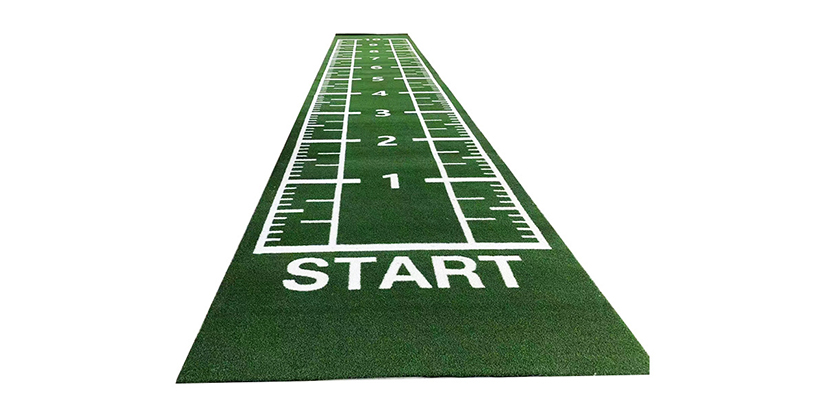
A high-quality product can still fail prematurely if the operational environment is poorly managed. The physical placement of functional fitness products for every gym type—be it a boutique studio or a massive training facility—dictates how much stress each item receives. For example, placing heavy-duty sleds on a thin rubber mat instead of reinforced flooring will eventually lead to substrate compression and equipment instability.
The mechanism of failure here is often 'unintended impact.' When a user performs a heavy deadlift or drops a barbell, the kinetic energy must be absorbed by the flooring, not the equipment. If the floor cannot absorb the shock, the energy returns to the equipment, leading to the fatigue mentioned earlier. Therefore, layout design must integrate both the equipment and the surface it rests upon.
Layout Optimization Checklist
- Clearance Zones: Ensure a minimum of 1.5 meters of clearance around any high-velocity equipment (e.g., rowing machines, battle ropes) to prevent collision damage.
- Load-Bearing Substrates: Verify that high-impact zones (sled tracks, lifting platforms) are positioned over the building's structural supports.
- Ventilation Alignment: Position air-resistance equipment near HVAC outflows to prevent dust accumulation in internal motors.
Once the layout is optimized, the focus turns to the day-to-day maintenance required to keep these components in peak condition. Maintaining an optimized layout is only effective if your inspection protocols are equally disciplined.
Explore the complete technical specifications:
Standardized Inspection and Maintenance Protocols
The transition from a functional layout to a durable operation lies in the rigor of your maintenance cycles. Most gym operators treat maintenance as a 'reactive' task—only fixing things when they break—which is the single most expensive way to run a facility. A professional approach uses a 'preventative' model, where inspections are scheduled based on usage intensity rather than failure occurrence.
To maintain functional fitness products for every gym, you should implement a two-tier inspection system: Daily Visual Checks and Monthly Technical Audits. This approach allows you to catch small issues, like a loosening bolt or a slight surface rust spot, before they evolve into expensive repairs or safety hazards.
Tier 1: Daily Operational Checks (Staff Level)
This is a rapid, non-technical check performed during opening or closing shifts. The goal is to identify obvious hazards that could lead to immediate injury.
- Visual Alignment: Are all weight plates properly seated on bars?
- Stability Check: Does the rig or any standalone station feel loose or wobbly when touched?
- Surface Integrity: Are there any sharp edges or peeling coatings that could scratch users?
Tier 2: Monthly Technical Audit (Management Level)
The monthly audit requires more specific tools and addresses the deeper mechanical aspects of the equipment. This is where you verify the technical specs we discussed in the material selection section.
- Torque Verification: Using a torque wrench to ensure all structural bolts on rigs and racks are still within manufacturer-specified tolerances.
- Lubrication Analysis: Checking moving parts on air bikes, rowers, or weight stacks for friction or metal-on-metal sounds.
- Material Integrity Check: Inspecting floor mats and weight platforms for compression sets or cracks.
Failure to follow these protocols often results in 'hidden damage,' where the equipment looks fine but is structurally compromised. This leads directly to the need for troubleshooting procedures when a problem eventually surfaces.
Explore the complete technical specifications:
Troubleshooting Common Functional Equipment Issues
Despite the best maintenance, equipment will occasionally underperform. When a piece of gear fails to meet operational standards, the key is to distinguish between a 'wear-and-tear' issue and a 'mechanical failure.' Incorrect troubleshooting often leads to unnecessary part replacements that don't solve the root cause.
The following table outlines common issues encountered with functional fitness products, their likely causes, and the professional method for verification.
| Identified Symptom | Potential Root Cause | Professional Troubleshooting Step | Required Action |
|---|---|---|---|
| Unusual Noise in Air Bike/Rower | Bearing wear or internal debris | Inspect internal flywheel and check for loose resistance belts | Replace bearing or clean internal housing |
| Slight Wobble in Power Rack | Loose floor bolts or bolt fatigue | Check floor anchors and torque all structural fasteners | Re-torque bolts or reinforce floor mounting |
| Resistance Discrepancy in Weight Stack | Cable fraying or pulley misalignment | Inspect cable coating for fraying and test pulley smoothness | Replace cable or realign pulley system |
| Dumbbell/Kettlebell Odor | Oxidation of low-grade coating | Check for moisture retention and surface level of rust | Clean with specialized metal cleaner and re-seal |
By following these systematic troubleshooting steps, you avoid the mistake of simply 'replacing the part' without addressing the mechanism of failure. For example, if a cable is fraying, replacing the cable without checking the pulley for misalignment will only lead to another failure in a few weeks.
Strategic Procurement: Beyond the Initial Purchase
As we move toward the final stages of equipment management, we must revisit the procurement phase. A sophisticated buyer knows that the 'best' product is not the one with the highest specs, but the one with the most reliable supply chain and support infrastructure. When sourcing functional fitness products for every gym, you are not just buying metal and rubber; you are buying a long-term operational partnership.
A common mistake in procurement is focusing solely on the product's technical excellence while ignoring the 'after-sales ecosystem.' If a custom-built rig is perfect but the manufacturer does not sell replacement bolts or specialized parts, your facility becomes a liability the moment a single component fails. Therefore, your selection criteria must include the availability of consumables and spare parts.
The Buyer's Final Decision Matrix
Before signing a purchase order, run your chosen equipment through this final three-pillar verification process:
- Pillar 1: Total Cost of Ownership (TCO) - Calculate the estimated cost of replacement parts and the frequency of maintenance required over a 36-year period.
- Pillar 2: Support Infrastructure - Can the supplier provide technical drawings, torque specifications, and a dedicated parts catalog?
- Pillar 3: Versatility - Does the equipment support multiple movement patterns (e.g., can the rack be easily reconfigured for different functional training styles)?
Long-Term Asset Lifecycle Management
To conclude the procurement cycle, a gym owner must realize that the acquisition of functional fitness products for every gym is merely the beginning of an asset lifecycle. True management involves a loop of procurement, implementation, maintenance, and eventual replacement. By understanding the interplay between material grade, operational layout, and proactive maintenance, you transform your gym from a collection of heavy objects into a highly efficient, durable training machine.
The highest level of operational maturity is reached when the facility manager treats every piece of equipment as a technical asset rather than a consumer good. Whether you are managing a small boutique studio or a commercial-scale warehouse facility, the principles of mechanical integrity and systematic oversight remain the same. Invest in high-grade materials and disciplined protocols today to avoid the high cost of failure tomorrow.