
Optimizing Powerlift Machine Performance and Longevity
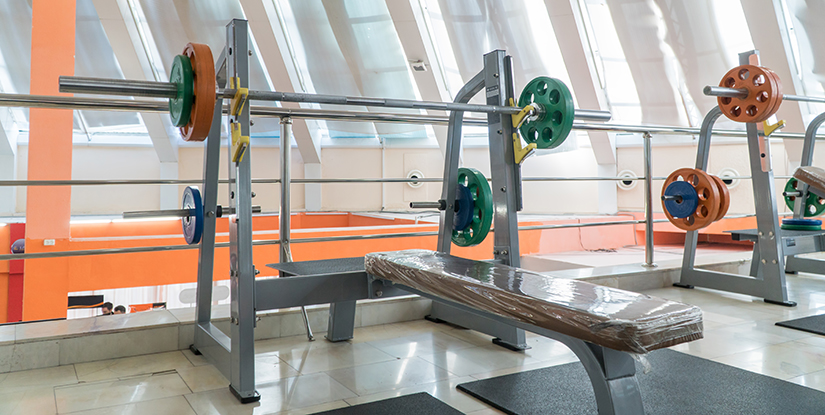
Selecting the Correct Powerlift Machine for Commercial Environments
Procuring high-end strength equipment requires more than just aesthetic preference; it demands a deep understanding of structural integrity and load distribution. Facility operators often face the dilemma of choosing between specialized single-station units and multi-functional hybrid systems. A common mistake is prioritizing weight capacity alone while neglecting the machine's ability to handle dynamic, high-velocity loading patterns inherent in heavy strength training.
When evaluating a Powerlift Machine, the decision-making process must center on the machine's structural chassis and its compatibility with intensive training cycles. A heavy-duty machine must not only support static weight but also absorb the kinetic energy of a dropped barbell. Without proper structural dampening, the vibration from heavy sets can lead to microscopic stress fractures in the weldments over time.
To ensure long-term viability, procurement officers should utilize a standardized comparison framework when reviewing technical specifications from a certain supplier. The following table highlights the critical divergence between consumer-grade and commercial-grade hardware.
| Selection Criterion | High-End Commercial Grade | Standard Fitness Grade |
|---|---|---|
| Frame Gauge | 11-gauge steel or thicker | 14-gauge steel or thinner |
| Load Type | Dynamic/Impact resistant | Static/Slow movement only |
| Bearing System | Sealed industrial bearings | Open or plastic bushings |
| Welding Standard | Full-penetration continuous welds | Spot welds or minimal seam welds |
By establishing these baseline hardware requirements, operators can mitigate the risk of premature structural fatigue. Once the correct model is selected, the focus must shift from procurement to the technicalities of physical placement and assembly.
Optimal Installation and Spatial Layout Considerations
Proper installation is the foundation of long-term equipment reliability and user safety. An incorrectly leveled machine or one placed on an inadequate surface will inevitably suffer from uneven wear on its moving parts. If a machine is slightly tilted due to floor inconsistencies, the weight distribution during a lift will be asymmetrical, putting undue stress on a single bearing or guide rod.
Floor Load and Surface Requirements
The choice of flooring is just as critical as the machine itself. A professional-grade setup requires a surface that balances impact absorption with stability. Using low-density foam that is too soft can lead to instability during a heavy lift, while overly hard surfaces fail to mitigate the shock of weight being released.
- Shore Hardness: Aim for high-density rubber flooring with a high Shore hardness rating to ensure the machine remains stable.
- Leveling: Use a precision spirit level to ensure the chassis is perfectly horizontal before final bolting.
- Clearance: Maintain a minimum 3-foot safety radius around the machine to accommodate barbell rotation and user movement.
Furthermore, when calculating spatial requirements, operators must account for the "swing radius" of the weight stack. A common installation failure is placing the machine too close to a wall or another piece of equipment, which can cause the weight plates to strike an obstruction during eccentric movements. This can lead to catastrophic damage to both the machine and the surrounding architecture. Once the machine is securely positioned and leveled, the next critical step involves the meticulous assembly of the mechanical drive components.
Mechanical Component Calibration and Alignment
Following the structural setup, the internal mechanics of the machine—specifically the guide rods and pulley systems—require precise calibration. A common failure mode in lifting equipment is the development of 'drag' or uneven resistance, which is often caused by slight misalignments in the linear bearings. This misalignment doesn't just hinder performance; it significantly reduces the lifespan of the components.
Verifying Guide Rod Smoothness
Operators should perform a 'manual glide test' during the commissioning phase. This involves moving the weight stack through its full range of motion without a load to identify any friction points. If the movement is jerky or produces a rhythmic clicking sound, there is a misalignment in the guide rods or a faulty bearing assembly.
Use the following diagnostic checklist to troubleshoot resistance during the initial setup:
| Symptom | Potential Cause | Actionable Fix |
|---|---|---|
| Rhythmic Clicking | Loose bearing housing | Tighten assembly bolts to spec |
| Lateral Wobble | Guide rod misalignment | Re-calibrate rod positioning |
| Increased Friction | Insufficient lubrication | Apply technical-grade lubricant |
| Sticking Movement | Debris in track/rail | Clean and inspect track path |
Ensuring these mechanical elements are perfectly synchronized prevents the uneven wear patterns that often plague poorly maintained facilities. This rigorous calibration sets the stage for a disciplined maintenance regimen.
Related reading:
Preventative Maintenance Schedules for Heavy-Duty Equipment
The longevity of a Powerlift Machine is directly proportional to the rigor of its maintenance schedule. In a high-traffic commercial gym, the frequency of use can lead to rapid degradation of moving parts if left unchecked. A common oversight is treating maintenance as a reactive process—only addressing issues once they cause a breakdown—rather than a proactive one.
Daily vs. Monthly Inspection Protocols
A tiered approach to maintenance ensures that both minor wear and significant structural risks are addressed before they lead to equipment failure. Operators should implement a two-stage verification system to maintain high uptime.
- Daily Visual Checks: Inspect for loose bolts, frayed cables (if applicable), and any obvious signs of structural deformation or cracked paint.
- Monthly Technical Audits: Perform a deep-dive inspection including torque testing on all major structural fasteners and checking the integrity of the upholstery and contact points.
For maximum effectiveness, maintenance logs should be digitized to track the frequency of part replacements. If a specific component, such as a pulley or a cable, is being replaced more frequently than the manufacturer's expected lifecycle, it is an indicator that the underlying mechanical alignment may still be faulty. By executing these checks, facilities can avoid the sudden downtime and high repair costs associated with neglected equipment. However, even with perfect maintenance, certain mechanical components will eventually require specialized attention.
Related reading:
Troubleshooting Common Operational Faults
Despite regular maintenance, operators may encounter operational inconsistencies. Understanding the relationship between cause and effect is vital for quick resolution. For instance, a sudden increase in noise or a change in the 'feel' of the weight resistance often points to a specific mechanical origin rather than a generic failure.
Addressing Resistance Inconsistency
If a user reports that the weight feels 'heavier' at specific points in the range of motion, the cause is likely localized. This can be attributed to a bent guide rod, a single contaminated bearing, or even an uneven weight stack. To verify the cause, run the machine through its full range of motion multiple times and identify the exact point of resistance. If the resistance is consistent, it is likely a weight stack or pulley issue; if it is intermittent, it is likely a bearing or rod issue.
Managing Excessive Vibration and Noise
Noise levels are a primary indicator of mechanical health. High-pitched squeaks usually indicate a lack of lubrication, whereas low-frequency thuds or clunks often suggest structural looseness or a failing bushing. Never ignore a new sound; a sound that was not present yesterday is the first warning sign of an impending component failure. Common decision parameters for noise include:
- Squeaking/Screeching: High-frequency friction. Usually solved by cleaning the rod and applying a fresh layer of technical-grade lubricant.
- Thumping/Clunking: Low-frequency impact. Usually indicates a loose bolt or a mounting bracket that has shifted.
- Grinding: Severe mechanical failure. Indicates metal-on-metal contact, often from a failed bearing or severe misalignment.
Addressing these issues promptly ensures that the machine remains a safe and efficient tool for users. As the equipment reaches its peak operational cycle, understanding the indicators of end-of-life is the final step in the management process.
Related reading:
Recognizing Signs of Structural Fatigue and End-of-Life
Even the highest-quality equipment has a finite operational life. In a professional setting, it is vital to recognize when a machine has transitioned from 'well-worn' to 'structurally compromised.' Relying on a machine that has passed its safe operational limit is a significant liability for any facility manager.
Identifying Critical Failure Indicators
Structural fatigue often manifests in subtle ways before a catastrophic failure occurs. Operators must be trained to look for specific markers of degradation that indicate the machine is no longer safe for heavy loading. A common mistake is assuming that if a machine is moving smoothly, it is structurally sound; however, a machine can have perfect mechanical motion while possessing a compromised frame.
- Paint Cracking: Cracks in the powder coating or paint, particularly near welds, are early indicators of metal fatigue and stress concentration.
- Weld Discoloration: Any visible changes in the color or texture of a weld can suggest that the structural integrity of the joint is being compromised by repeated heavy impacts.
- Fastener Migration: If bolts are frequently loosening despite regular torque checks, it indicates that the frame itself may be flexing excessively under load.
When these indicators appear, the decision should not be to "fix and continue," but to plan for full replacement. Monitoring these indicators provides a window for scheduled replacement, preventing the legal and safety risks of unexpected equipment failure. Maintaining a high standard of care ensures that your facility remains a premium destination for strength athletes.