
Optimizing Facility Durability with Olympic Rubber Grip Weight Plates
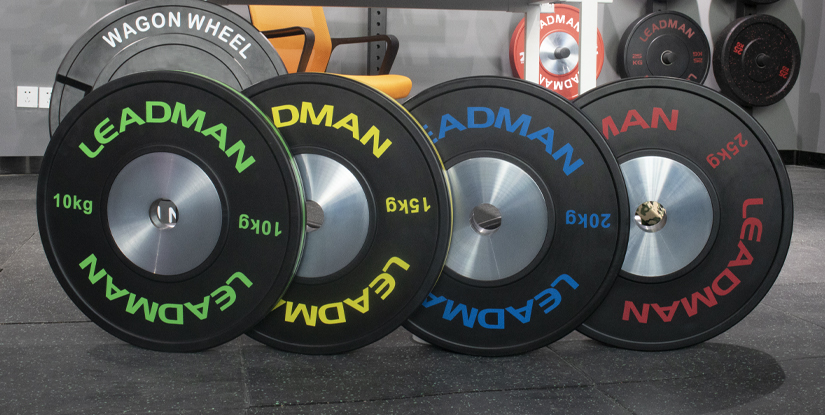
Addressing Structural Integrity in Olympic Rubber Grip Weight Plates
Facility operators often encounter the frustration of premature equipment degradation, particularly when high-impact usage meets low-grade materials. A primary pain point in commercial strength training environments is the separation of the rubber coating from the internal steel core, often caused by poor bonding processes. This failure mode not only compromises the aesthetic of the gym but also creates safety hazards during heavy lifts. Understanding the composition of Olympic Rubber Grip Weight Plates is the first step in preventing these operational disruptions.
The core of a high-quality plate consists of a high-density steel ring, which provides the necessary mass and structural rigidity. The outer layer—the rubberized grip—serves a dual purpose: shock absorption and tactile security. When selecting equipment, one must look beyond surface appearance and evaluate the bonding technology used to fuse the elastomer to the metal. A failure in this junction typically results in 'delamination,' where the rubber begins to peel or bubble away from the steel. By prioritizing plates that utilize high-grade vulcanized rubber, operators can ensure a much longer lifecycle for their strength training areas.
| Component | High-Grade Specification | Failure Mode (Low-Grade) |
|---|---|---|
| Core Material | Solid Cast Steel | Hollow or Low-Density Iron |
| Coating Type | Vulcanized Polyurethane/Rubber | Molded/Glued Thin Rubber |
| Bonding Method | Thermal Compression | Adhesive Layering Only |
| Impact Resistance | High (Shock Absorbing) | Low (Brittle/Cracking) |
Selecting the correct material density ensures that the equipment can withstand the high-velocity impacts common in professional settings. Once the material composition is understood, the focus must shift to the critical dimensions and tolerances that affect barbell loading performance.
Verifying Diameter and Bore Consistency for Seamless Loading
Transitioning from material selection to operational setup, a common technical challenge involves the precision of the center bore. Inconsistent diameter tolerances can lead to uneven loading, causing the barbell to tilt or vibrate during movement. This is not merely an aesthetic issue; it can lead to uneven weight distribution that complicates complex lifts and increases the risk of injury for the athlete.
Standardizing the 50mm Bore Diameter
A standard Olympic bar requires a 50mm (approximately 2-inch) internal diameter. However, the precision of the Olympic Rubber Grip Weight Plates bore is what dictates the 'feel' of the loading process. If the bore is too tight, loading becomes cumbersome; if too loose, the plate may rattle excessively, creating unwanted kinetic energy during a lift. Professional-grade plates maintain a strict tolerance range to ensure a smooth, concentric fit on the barbell sleeve.
- Target Diameter: 50mm +/- 0.5mm
- Checklist for Operators:
- Inspect bore for internal debris or casting burrs.
- Test fit with a standard barbell sleeve to ensure no excessive lateral play.
- Verify that the plate sits flush against the barbell even when loaded with high volumes.
Ensuring these dimensions are within spec prevents the mechanical instability that often plagues budget-grade equipment. With a secure fit established, the operator can then turn their attention to the external grip surface, which is the next critical point of failure.
Managing Surface Hardness and Grip Friction Standards
While the internal bore ensures the plate stays on the bar, the external surface determines how the plate interacts with the environment and the hands of the user. A major mistake in procurement is overlooking the Shore hardness of the rubber coating. If the surface is too soft, it becomes susceptible to tearing and can actually become quite sticky in high-temperature environments. Conversely, a surface that is too hard lacks the necessary shock absorption, leading to increased floor wear and noise.
The ideal surface provides high friction to prevent slipping during manual handling, yet remains durable enough to resist abrasion from chalk or contact with other plates. Facility managers should evaluate the qualitative tactile feedback of the plates during the selection phase. A professional-grade plate should feel consistent across its entire circumference, without 'soft spots' that indicate uneven material distribution.
| Surface Characteristic | Desired Effect | Risk of Poor Quality |
|---|---|---|
| Shore Hardness | Controlled Elasticity | Excessive Deformation or Brittle Cracking |
| Texture/Grain | Anti-slip Grip | Smooth/Slippery when wet/sweaty |
| Edge Profile | Smooth Transition | Sharp edges that damage flooring or bars |
Maintaining a consistent surface hardness is vital for both user safety and long-term durability. This leads directly to the necessity of establishing a rigorous inspection and maintenance schedule to preserve these qualities.
Related reading:
Routine Inspection and Maintenance Protocols
A proactive maintenance approach is the difference between a facility that looks new for years and one that suffers from constant equipment replacement. Operators should implement a tiered inspection system, ranging from daily visual checks to quarterly deep-dive technical assessments. Relying solely on visual cues is a common mistake; physical inspections of the bore and edge density are required to catch issues before they impact athlete safety.
The first step in any maintenance routine is the visual scan for 'bubbling' or delamination at the edges. If the rubber is beginning to lift, it is a sign of thermal or mechanical fatigue. A second critical check involves inspecting the bore for any signs of rust or corrosion on the internal steel ring, which can occur if moisture penetrates the rubber seal. While the rubber itself does not require lubrication, the cleanliness of the interface is paramount.
Daily/Weekly Checklist:
- Wipe down surfaces with a mild, non-abrasive cleaner to remove chalk and oils.
- Inspect the edges of the Olympic Rubber Grip Weight Plates for any signs of chipping.
- Check for any unusual rattling or movement when the plates are loaded on a barbell.
- Ensure storage areas are dry and free from oil spills that could degrade the rubber.
By adhering to these simple protocols, operators can identify minor issues before they become catastrophic failures. These preventative measures ensure that the equipment remains an asset rather than a liability.
Related reading:
Mitigating Environmental Degradation in Training Areas
Even the most durable rubberized plates are susceptible to the environmental conditions of the facility. Heat, UV exposure, and humidity are the three primary drivers of material degradation. For instance, storing plates near high-heat ventilation systems or in direct sunlight can accelerate the outgassing of plasticizers, making the rubber brittle over time. A common error is neglecting the humidity levels in weight rooms, which can lead to moisture trapping between the steel and rubber, inducing oxidation.
In commercial settings, the issue is often the 'cold-welding' or sticking of plates when stacked for long periods. This is frequently caused by excessive heat or improper cleaning agents that leave a chemical residue. To prevent this, operators should ensure plates are stored in a climate-controlled environment whenever possible and are allowed to reach ambient temperature before being stacked. This attention to detail protects both the equipment and the ease of daily operation.
Proper storage is not just about the plates themselves; it also impacts the surrounding infrastructure. High-density rubber plates exert significant downward pressure, and failing to account for this can lead to uneven flooring or sub-floor compression. When designing the layout of a weight room, the placement of plate trees and storage racks should be strategically aligned with the building's structural load-bearing points to prevent uneven wear on the facility floor.
Related reading:
Troubleshooting Common Loading and Stability Issues
When a facility experiences complaints regarding 'unbalanced' or 'clunky' weight training, the issue is rarely the lifter's technique; it is often a technical fault in the equipment. Troubleshooting requires a systematic approach to isolate whether the problem resides in the plate, the barbell, or the interaction between the two. Neglecting to verify the barbell sleeve condition is a frequent oversight in many diagnostic processes.
Identifying the Root Cause of Imbalance
If an athlete reports that one side of the barbell feels significantly different than the other, the operator should perform a comparative mass check. While it is unlikely a single plate is wildly off, small variances in mass distribution (center of gravity) can cause perceived instability. Use the following diagnostic steps:
- Step 1: Swap the plates between the left and right sides of the barbell. If the 'imbalance' moves with the plates, the issue is the plates' internal mass distribution.
- Step 2: If the imbalance stays on the same side of the bar, the issue is the barbell's sleeve or the bar's internal bend.
- Step 3: Check for 'ringing' or vibration. If the plates rattle excessively, the bore diameter may be slightly too large for the specific barbell being used.
Correcting these issues usually involves refining the loading procedure or ensuring that the bar sleeves are cleaned regularly to remove any friction-causing buildup. Understanding these nuances allows facility managers to provide a higher standard of service and safety.
Related reading:
Strategic Procurement and Long-Term ROI Analysis
For a facility manager, purchasing equipment is an exercise in balancing immediate capital expenditure against long-term operational costs. A common mistake is selecting the lowest-priced option available, which often results in higher 'total cost of ownership' due to frequent replacements and maintenance needs. When evaluating a quote for new weights, the procurement process must include a technical evaluation of the manufacturer's material standards rather than just comparing unit price.
A high-quality plate may have a higher upfront cost, but its ability to resist impact, maintain its bore precision, and retain its grip integrity ensures a much longer functional life. In the long run, this reduces the frequency of re-ordering and minimizes downtime for the facility. When comparing options, it is helpful to request data regarding the rubber's density and the compression process used for the steel-to-rubber bond.
| Metric | Low-Cost Option | Commercial-Grade Option |
|---|---|---|
| Lifespan Expectancy | 1–3 Years | 5–10+ Years |
| Maintenance Frequency | High (Frequent Cleaning/Replacement) | Low (Routine Inspections) |
| Initial Cost | Low | Moderate to High |
| Total Cost of Ownership | High (due to replacement) | Low (due to durability) |
By applying these metrics to the procurement process, facility owners can move from a reactive 'replace-on-failure' model to a proactive 'optimize-for-performance' model. This shift in thinking ultimately enhances the professional standing and operational efficiency of the entire fitness facility.