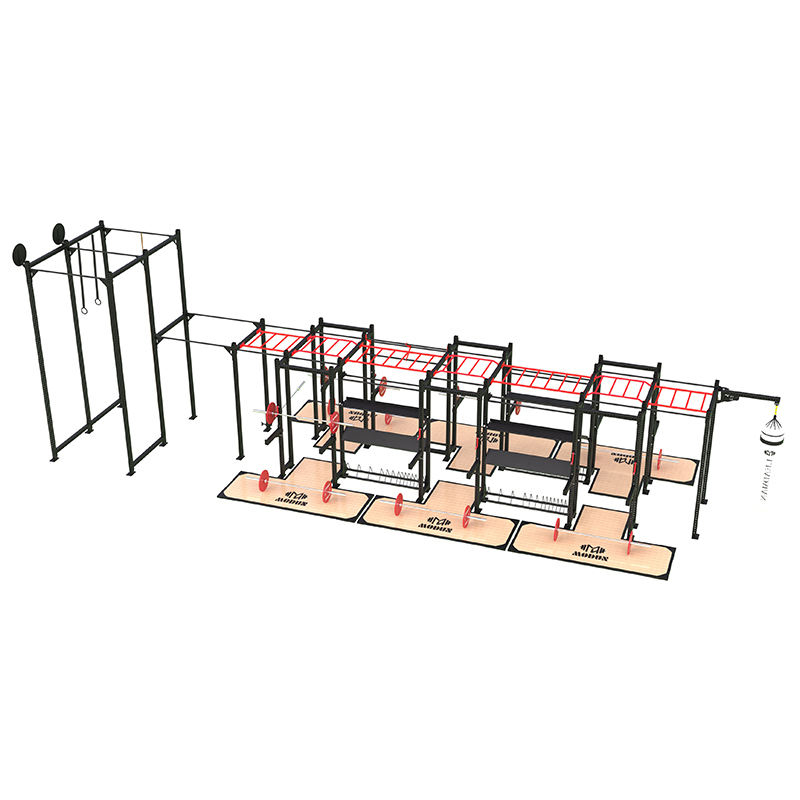
Strategic Planning and Facility Requirements. Building a commercial gym requires more than just equipment selection; it demands a rigorous approach to facility engineering and spatial optimization. Successful projects begin with a clear definition of the facility's primary use case—whether it be a high-traffic boutique studio, a high-performance strength and conditioning center, or a multi-functional commercial fitness club. Critical considerations include floor load capacities, ceiling heights for overhead movements, and electrical requirements for motorized treadmills and integrated digital interfaces. Proper spatial zoning is essential to prevent bottlenecking during peak hours and to ensure safe passage between equipment footprints.
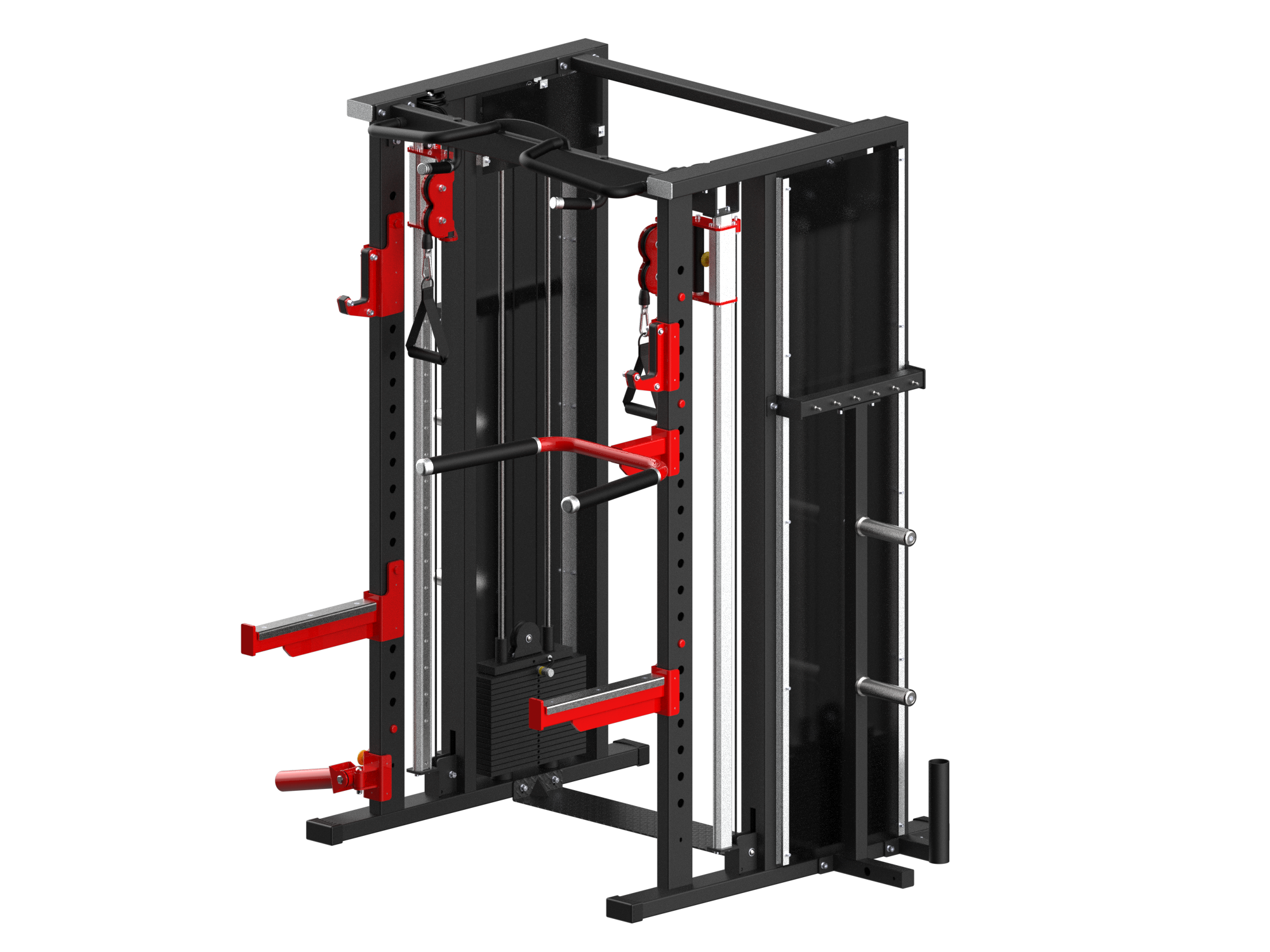
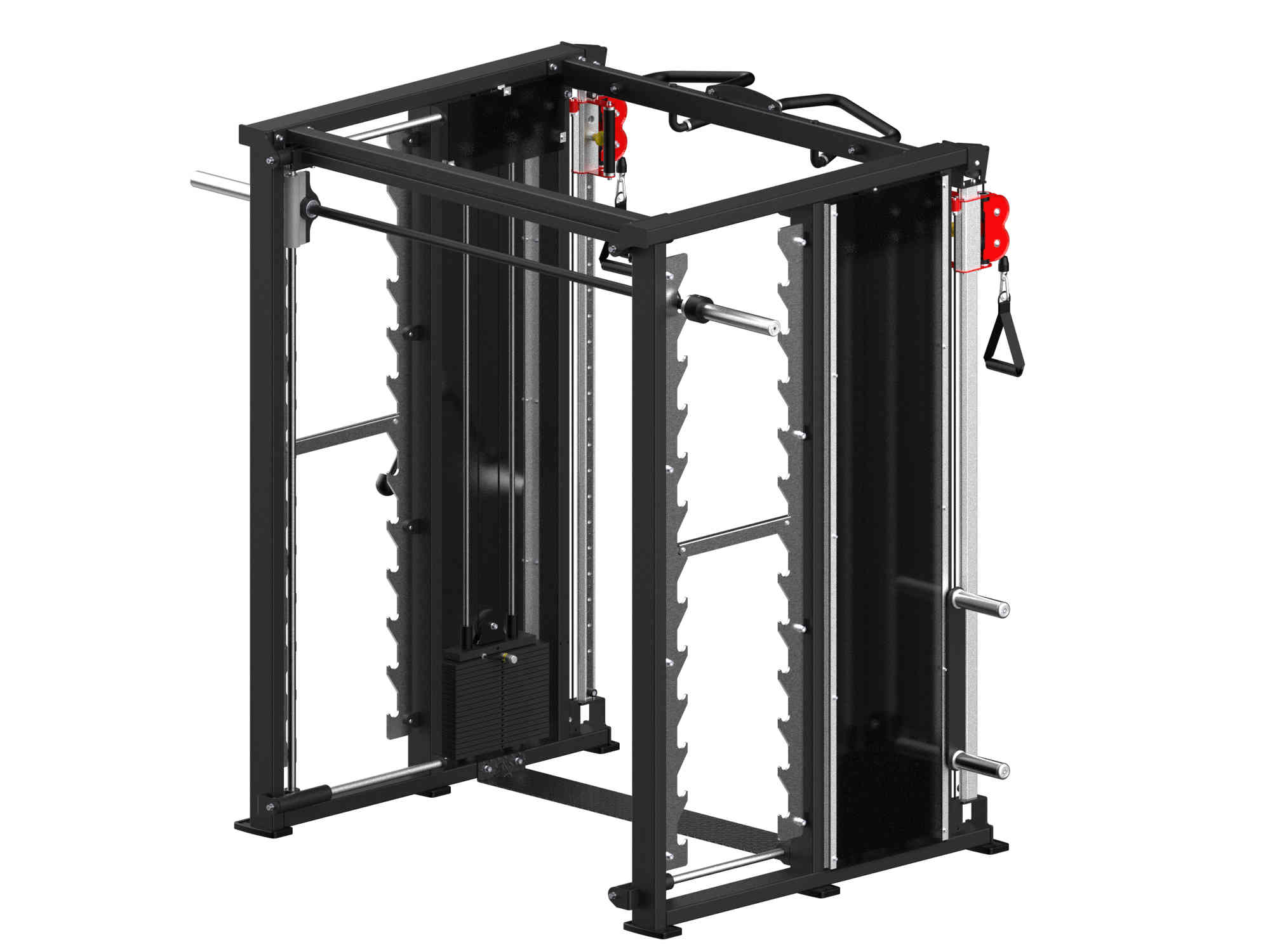
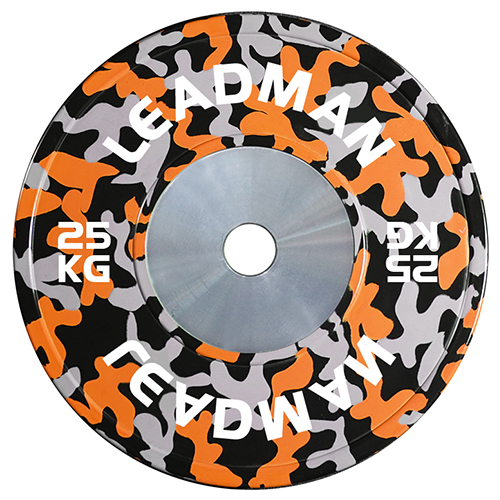
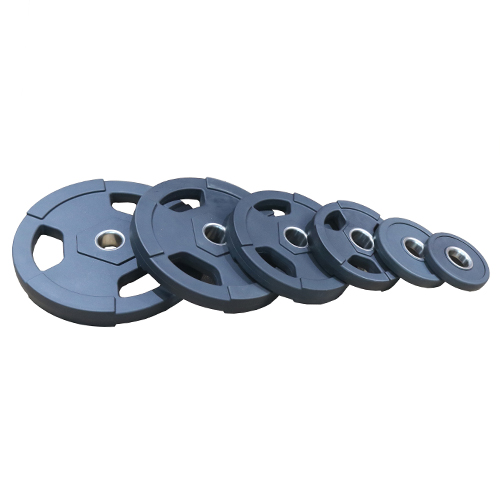
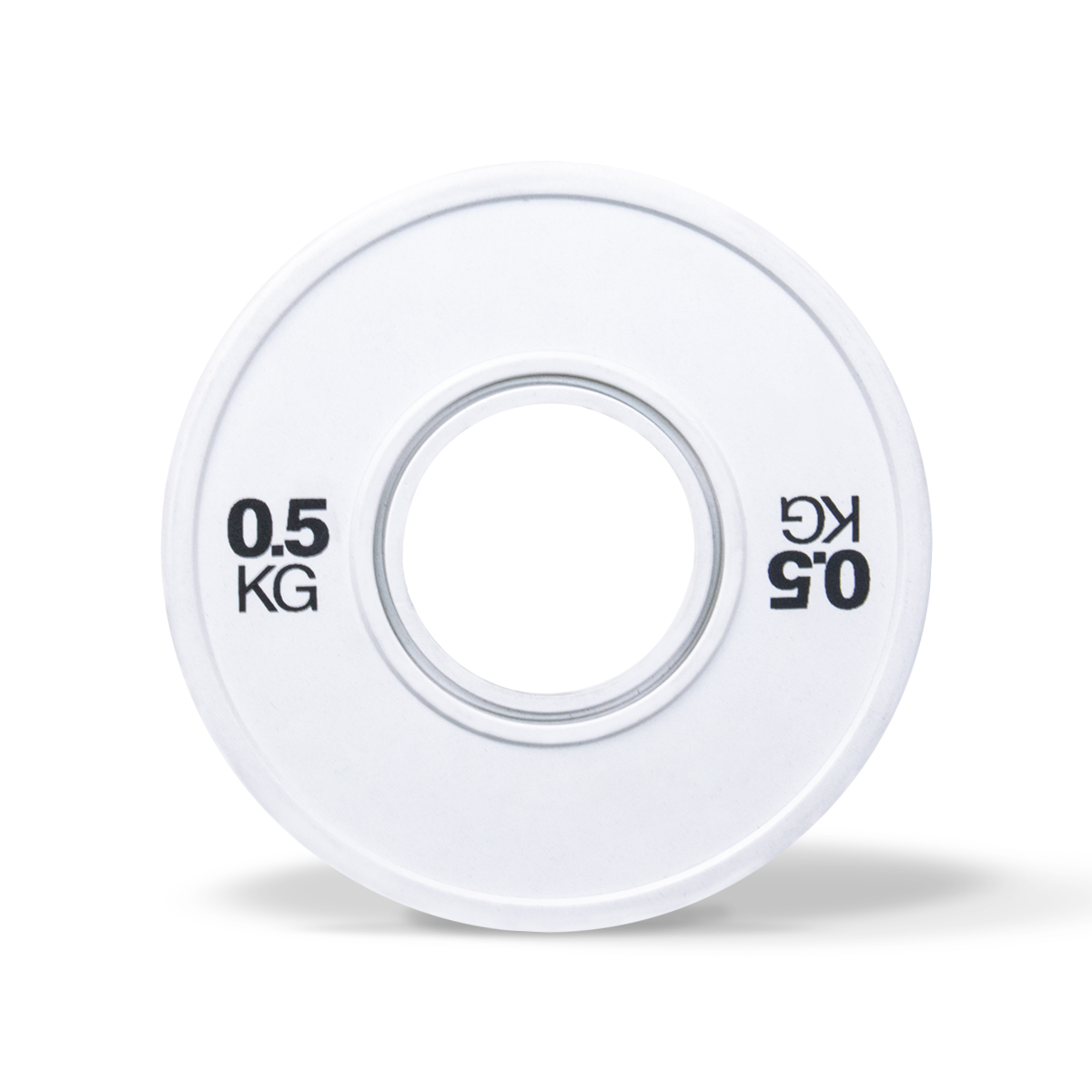
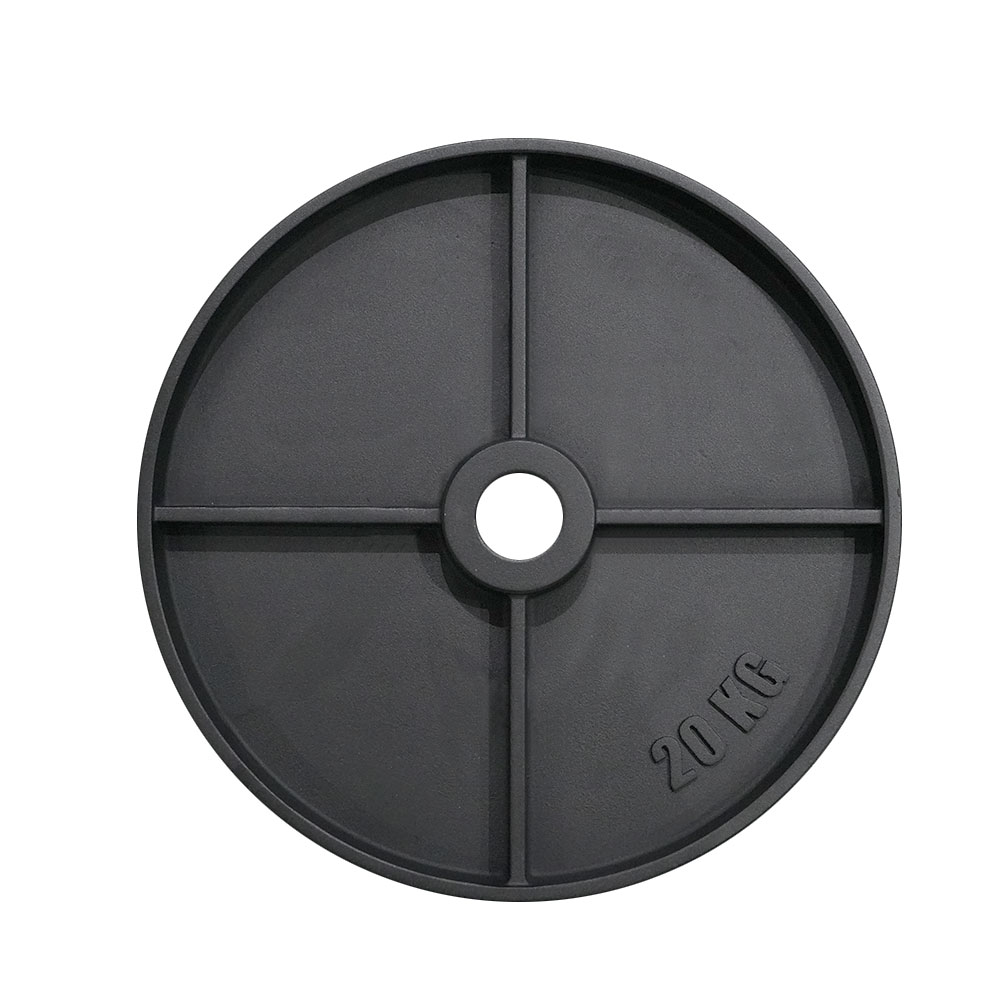
Equipment Tiering and Specification. Selecting the right grade of equipment is a pivotal decision in the procurement lifecycle. Commercial-grade equipment is engineered for high-duty cycles and utilizes heavy-duty steel gauges and high-tolerance bearings to withstand continuous usage. When building a gym, buyers must decide between selectorized strength machines, which offer guided movements and user accessibility, and free weight stations, which require higher levels of technical proficiency. A balanced ecosystem typically integrates a combination of cardio, functional training zones, and heavy-duty resistance stations to cater to a diverse demographic of users.
Flooring and Structural Integrity. The foundation of any professional gym is its flooring system. High-impact rubber flooring or specialized turf is necessary to absorb kinetic energy from dropped weights and to protect the subfloor from structural fatigue. For weightlifting areas, high-density vulcanized rubber is the industry standard for both durability and noise attenuation. Ensuring the floor can support the static and dynamic loads of heavy machinery and free weight sets is a non-negotiable safety requirement in the construction phase.
Optimizing Throughput and User Experience. Effective gym design prioritizes workflow and hygiene. Strategically placed accessory stations, hydration points, and maintenance-friendly layouts extend the operational lifespan of the equipment. Integrating digital tracking or smart-equipment ecosystems can also enhance the perceived value of the facility. By prioritizing durable materials and ergonomic layouts, operators can ensure long-term ROI and a high-performance training environment.