
Mastering Bulk Pricing for Commercial Gyms in Weight Plates Wholesale: A Strategic Sourcing Guide
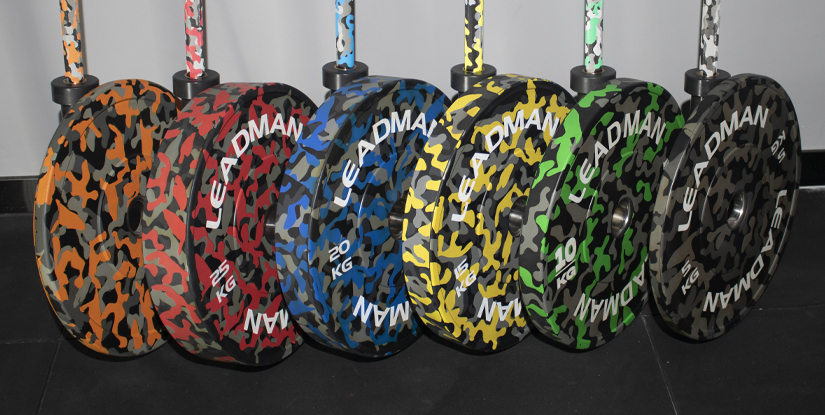
The Myth of the Lowest Unit Price in Weight Plate Procurement
A common misconception among facility managers is that the lowest price per kilogram or pound always correlates to the best ROI. While a low sticker price is tempting during initial capital expenditure planning, this mindset often ignores the Total Cost of Ownership (TCO). In the context of Bulk Pricing for Commercial Gyms in Weight Plates Wholesale, the cheapest option frequently leads to accelerated depreciation, high replacement frequency, and increased maintenance labor.
True value is found at the intersection of durability and price stability. A low-quality plate may save 15% on the initial invoice but can cost 40% more over a five-year lifecycle due to material degradation, uneven weight distribution, or coating failure. When procurement teams focus solely on the immediate discount, they often fail to account for the cost of secondary procurement cycles and the logistical friction of replacing worn-out equipment. Understanding these long-term variables is the first step toward a sophisticated purchasing strategy.
Once the foundational understanding of value is established, the next logical step is to dissect the technical specifications that actually drive these long-term costs.
Technical Specifications and Material Selection for Longevity
Transitioning from a price-centric mindset to a value-centric one requires a deep dive into material composition. Different weight plate types—Bumper, Cast Iron, and Rubber-Coated—serve distinct operational roles, and selecting the wrong material for a high-traffic environment is a primary cause of premature equipment failure.
Material Composition and Durability Drivers
For high-impact zones, such as Olympic lifting platforms, the material must manage kinetic energy without structural deformation. For standard strength training areas, the focus shifts to surface finish and resistance to oxidation. Below is a comparison of common commercial-grade materials used in wholesale orders.
| Material Type | Primary Use Case | Typical Wear Profile | Maintenance Requirement |
|---|---|---|---|
| Solid Vulcanized Rubber | Olympic/High-Impact | Minimal surface abrasion; high shock absorption | Periodic cleaning of surface dust |
| Coated Cast Iron | Standard Strength Training | Possible edge chipping; oxidation risk | Inspection for rust; surface wipe-downs |
| Urethane-Encapsulated | Premium High-Traffic | Extremely high abrasion resistance | Minimal; highly durable surface |
| Standard Bumper (Vinyl/PVC) | Budget-Conscious Facilities | High susceptibility to cracking/peeling | Frequent inspection for material integrity |
Choosing a material that does not match the intensity of your gym's user base results in a mismatch between capital expenditure and operational reality. For instance, utilizing thin vinyl-coated plates in a heavy lifting facility often results in the core material cracking within 18 months, necessitating a full replacement cycle. This understanding of material suitability leads directly to the complex task of negotiating pricing structures.
Analyzing the Layers of Bulk Pricing for Commercial Gyms in Weight Plates Wholesale
Effective procurement requires looking beyond the base quote. Bulk Pricing for Commercial Gyms in Weight Plates Wholesale is rarely a single number; it is a complex structure influenced by volume tiers, material grades, and logistical variables. To navigate this, an operator must understand how different factors impact the final landed cost.
Volume Tiering and Economies of Scale
Most wholesale suppliers utilize a tiered pricing model where the discount increases as the order volume hits specific thresholds. However, professional buyers must beware of the "diminishing return" threshold. There is a point where increasing the order size to hit a lower tier adds more to storage costs than it saves in unit price.
- Tier 1 (Small Batch): Often used for supplementing existing sets; higher unit cost due to processing overhead.
- Tier 2 (Mid-Range): Typical for new boutique studios; moderate discounts applied.
- Tier 3 (Full Facility Scale): Optimized for large-scale gym chains; maximum discounts via optimized manufacturing runs.
A frequent mistake is failing to account for the "landed cost," which includes freight and customs. A supplier offering a lower base price might charge significantly more for shipping heavy, high-volume items, effectively neutralizing any wholesale advantage. Therefore, the negotiation should always be centered on the total landed cost rather than the ex-works price.
With the pricing structure understood, procurement teams must now implement rigorous verification protocols to ensure the quality received matches the specification paid for.
Explore the complete technical specifications:
Quality Assurance: Verifying Weight Tolerance and Surface Integrity
The greatest risk in bulk procurement is receiving a shipment that fails to meet professional standards. In a commercial setting, even minor discrepancies in weight can lead to unbalanced barbells, causing user injury or equipment fatigue. Establishing a verification protocol is non-negotique.
Standard Operating Procedure for Incoming Inspection
Upon arrival, a sample of the shipment must be rigorously tested. Do not rely on the manufacturer's certificate alone; physical verification is required to maintain professional standards. Use the following checklist to guide your receiving process:
- Tolerance Testing: Weigh at least 5% of the total shipment using a calibrated commercial scale. A standard tolerance for high-end plates is +/- 1% to 2%. Any deviation beyond this indicates a lack of manufacturing control.
- Dimensional Integrity: Measure the center hole diameter. It must be consistent across all plates to ensure a smooth fit on Olympic bars. Variations here can lead to uneven loading and bar vibration.
- Surface Uniformity: Inspect for uneven coating thickness or exposed metal. In rubberized plates, look for air bubbles or "soft spots" that suggest poor vulcanization.
- Odor and Off-gassing: High-quality rubber/urethane should have minimal chemical odor. Excessive off-gassing can affect air quality in indoor fitness environments.
Failure to perform these checks results in a 'silent' loss of value, where you pay for high-grade equipment but receive a lower-tier product. Once the quality is verified, the focus must shift to how to maintain that quality over time.
Explore the complete technical specifications:
Operational Maintenance and Lifecycle Management
Even the highest quality plates will degrade if managed incorrectly. A proactive maintenance schedule is a critical component of the long-term ROI promised by high-grade wholesale purchases. Neglecting maintenance is a common failure mode that leads to unnecessary replacement costs.
Preventative Maintenance Schedule for Weight Plate Sets
Maintaining your investment requires consistent, small-scale interventions rather than infrequent, massive overhauls. Following a structured routine ensures your equipment remains professional-grade for its intended lifespan.
| Task | Frequency | Objective | Verification Method |
|---|---|---|---|
| Surface Cleaning | Weekly | Remove sweat, skin oils, and dust | Visual check for residue or discoloration |
| Rust/Oxidation Inspection | Monthly | Identify early-stage oxidation on iron plates | Tactile check for texture changes/pitting |
| Coating Integrity Check | Quarterly | Detect cracks, peeling, or abrasions | Visual inspection of edges and surfaces |
| Storage Environment Audit | Semi-Annually | Ensure humidity levels are controlled | Monitoring hygrometer readings in storage area |
Proper storage is often the most overlooked variable. Storing iron plates in a high-humidity environment without climate control will lead to oxidation, regardless of the initial coating quality. Moving from maintenance to procurement, the next critical step is understanding the long-term impact of these decisions on the facility's budget.
Explore the complete technical specifications:
Logistical Optimization and Lead Time Management
When ordering in bulk, the logistics of delivery can often become a bottleneck that disrupts facility openings or equipment upgrades. Effective procurement requires a detailed understanding of how shipping modes and storage requirements impact both time and cost.
Shipping Modes and Freight Variables
The choice of shipping method is a major factor in the final invoice. Because weight plates are high-density items, the cost is heavily influenced by weight rather than volume. Below are the primary considerations for commercial-scale logistics:
- LCL (Less than Container Load): Cost-effective for mid-range orders, but carries a higher risk of transit damage due to multiple handling points.
- FCL (Full Container Load): The gold standard for large-scale gym setups. It minimizes handling and ensures the shipment remains sealed from the factory to your facility.
- Air Freight: Rarely recommended for weight plates due to prohibitive costs, but sometimes used for small, urgent replacement orders of specialty plates.
A common failure mode in logistics is neglecting the "last mile"- the transit from the local port to your actual gym location. If your facility is in a remote area or lacks a loading dock, you must ensure your wholesale agreement accounts for specialized delivery vehicles equipped with lift gates.
After securing the physical goods and managing their arrival, the final phase is the long-term financial analysis to ensure your procurement decisions remain sound.
Strategic Sourcing: Balancing Budget with Long-Term ROI
When approaching Bulk Pricing for Commercial Gyms in Weight Plates Wholesale, the final decision must be a mathematical one. A professional procurement strategy looks at the multi-year cost rather than the single-year budget. This involves calculating the depreciation rate against the replacement frequency.
The ROI Calculation Framework
To justify a higher upfront investment in premium weight plates, operators should use a multi-year comparison. If a set of premium urethane plates costs 30% more than standard rubber-coated plates, but has a replacement cycle that is twice as long, the premium option is actually the more cost-effective choice.
Calculation Model:
(Total Cost of Option A / Expected Lifespan in Years) vs (Total Cost of Option B / Expected Lifespan in Years)
A lower annual cost, even with a higher initial outlay, provides more predictable cash flow and less operational downtime. This level of strategic thinking separates successful commercial gym operators from those who are constantly caught in a cycle of low-cost, low-quality procurement. By mastering these technical and financial-logic layers, you ensure your facility remains competitive and professionally equipped.