
Why Custom Bumper Plates Are Essential for Branded Fitness Facilities
The Identity Crisis: Why Standard Equipment Undermines Premium Facilities
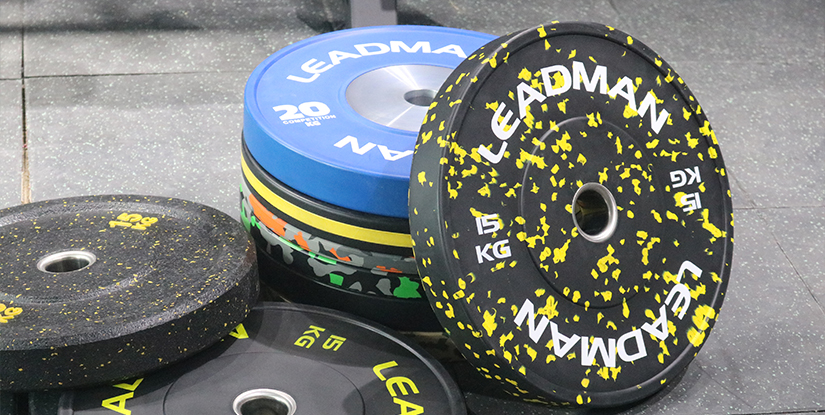
Operating a high-end fitness facility requires more than just providing space for training; it requires the creation of an immersive environment. One of the most frequent pain points I encounter when consulting for boutique gyms and professional training centers is the 'commodity trap.' This occurs when a facility invests heavily in interior design and high-end flooring, only to stock generic, unbranded bumper plates that look and feel cheap. This mismatch creates a psychological disconnect for the client, signaling a lack of attention to detail and eroding the premium brand perception you have worked so hard to build.
The root cause is often a procurement oversight where buyers prioritize initial unit cost over long-term brand equity. While generic plates fulfill the basic functional requirement of lifting weight, they fail to act as a silent ambassador for your brand. When a client sees your logo or a custom color scheme integrated into the very tools they use, it reinforces a sense of exclusivity and professional standard. This visual consistency is a vital component of brand recognition in a saturated market. Moving from a generic setup to a customized one is not just an aesthetic choice; it is a strategic move to solidify your facility's identity before we dive into the technical specifications that justify the investment.
The Cost of Perceived Cheapness
Generic equipment often suffers from inconsistent color shades and poor finishing, which leads to a 'worn-out' look much faster than high-quality alternatives. This visual degradation can make even a brand-new facility appear dated within a few months of operation.
| Feature | Generic Bumper Plates | Custom Branded Bumper Plates |
|---|---|---|
| Visual Identity | None; generic colors | High; fully integrated branding |
| Brand Perception | Commodity/Budget | Premium/Exclusive |
| Client Retention Impact | Low; feels like any other gym | High; reinforces brand ecosystem |
| Color Consistency | Variable batches | Strictly controlled standards |
Establishing a strong visual identity is the first step, but a brand is only as good as the durability of the tools it carries. This brings us to the critical necessity of material control and technical precision.
Material Integrity and the Risks of Low-Quality Rubber Compounds
Once the decision to move toward a custom solution is made, the focus must shift from aesthetics to the fundamental physics of the equipment. A common failure mode in custom orders is the procurement of plates made from low-grade, recycled rubber blends that lack structural homogeneity. In a high-traffic facility, these plates often exhibit 'outgassing'—a noticeable chemical odor—or excessive brittleness that leads to cracking under high-impact drops.
To avoid this, operators must demand strict material specifications. A high-quality custom bumper plate should be composed of virgin rubber or a highly controlled high-density blend designed to absorb kinetic energy without structural failure. If the rubber is too hard, it will damage your floors and your lifting bars; if it is too soft, the plates will lose their shape and diameter over time, leading to uneven weight distribution. As a procurement professional, I always suggest verifying the Shore A hardness or requesting a density profile from the manufacturer to ensure the plates meet commercial-grade requirements.
Common Material Failures to Watch For
- Surface Chalking: A sign of poor-quality binders in the rubber, leading to a dusty residue on the gym floor.
- Dimensional Instability: Plates that become 'out-of-round' due to low-density material composition.
- Odor Issues: Inadequate curing processes in the manufacturing stage.
By mastering the material science, you ensure that your branded equipment is not only beautiful but also built for the rigors of professional use. This structural integrity is the foundation for the next critical factor: dimensional accuracy.
Precision Engineering: Tolerances and Dimensional Standards
A significant technical challenge with custom-ordered equipment is the variation in diameter and thickness. In professional strength training, especially in Olympic lifting, even a slight deviation in the diameter of a bumper plate can disrupt the bar's balance and the lifter's rhythm. A generic plate might vary by several millimeters, but for a branded facility aiming for professional standards, these margins are unacceptable.
When ordering custom plates, you must establish a strict tolerance threshold. A professional-grade bumper plate should maintain a diameter tolerance of within ±1% to ±2% of the intended specification. If you are designing plates with a specific aesthetic rim or a unique center hub design, the precision of the inner diameter (ID) is equally vital. A mismatched ID can lead to excessive 'wobble' on the barbell, which increases wear on the barbell sleeves and can ultimately lead to equipment failure. This technical precision is what separates a luxury branded facility from a standard commercial gym.
Verifying Dimensional Accuracy
Don't take the supplier's word for it; implement a verification protocol upon delivery. Use a digital caliper to measure the following three points on a sample from each batch:
- The Outer Diameter (OD): Ensure consistency across different weight increments.
- The Inner Diameter (ID): Verify it fits the barbell sleeve without excessive play.
- The Thickness: Crucial for ensuring that the total weight on the bar remains predictable.
Once you have confirmed the dimensions are within your acceptable range, the next step is to consider how the visual design affects the actual physical handling of the plate.
Explore the complete technical specifications:
Ergonomics and the Aesthetics of the Center Hub Design
The center hub of a bumper plate is the primary contact point for both the barbell and the lifter's hands. In a custom branded environment, this area offers a massive opportunity for both functional improvement and brand reinforcement. However, a common mistake is prioritizing a complex, branded logo at the expense of ergonomic utility. If a custom logo is too raised or has sharp edges, it becomes a safety hazard and a point of physical discomfort during manual handling.
A well-designed custom hub should feature a smooth, slightly recessed or subtly embossed logo that does not interfere with the grip or the barbell's rotation. From a technical standpoint, the hub also serves as the structural heart of the plate. The thickness and material of the hub must be engineered to prevent deformation during heavy drops. I often see 'cheapened' custom plates where the hub is made of a different, less durable material to save costs, which leads to the plate cracking at the connection point.
Design Checklists for Custom Hubs
| Design Element | Optimal Specification | Risk Factor |
|---|---|---|
| Logo Depth | 0.5mm - 1.5mm (Recessed/Embossed) | Too deep creates sharp edges; too shallow disappears |
| Hub Surface | Smooth/Non-slip texture | Uneven surfaces can cause barbell instability |
| Edge Radius | Rounded/Filleted | Sharp edges damage barbell sleeves and hands |
A seamless integration of ergonomics and branding ensures that your equipment is as functional as it is visually striking. However, even the best-designed plates require a structured maintenance plan to maintain their professional appearance.
Explore the complete technical specifications:
Operational Longevity: Maintenance and Inspection Protocols
A branded facility's reputation is tied to the condition of its equipment. If your custom bumper plates look scuffed, chipped, or discolored, the 'premium' promise is broken. Maintenance is not just about cleaning; it is about proactive structural inspection to prevent accidents and preserve the brand image. The rubber used in custom plates can degrade due to environmental factors, such as UV exposure if kept near large windows, or improper chemical cleaning.
I recommend a two-tier maintenance approach: a daily superficial cleaning and a monthly technical inspection. For the cleaning, avoid high-solvent cleaners that can strip the surface finish or degrade the rubber's elasticity. For the technical inspection, your staff should be looking for 'red flag' indicators that signal a plate's end-of-life. This prevents the embarrassment of a plate breaking during a high-profile client session.
Monthly Inspection Checklist for Facility Managers
- Visual Surface Check: Look for cracks, deep gouges, or signs of material 'blooming' (white powder on the surface).
- Diameter Stability: Check if the plates have become 'out-of-round' or uneven in thickness.
- Odor Assessment: Note any significant increase in chemical smells, which may indicate material breakdown.
- Hub Integrity: Inspect the connection between the hub and the rubber for any signs of separation or loosening.
Maintaining these standards ensures your investment continues to serve its purpose. This brings us to the ultimate goal: how to effectively integrate these high-end tools into your broader business strategy.
Explore the complete technical specifications:
Maximizing ROI through Branded Equipment Integration
The final question most operators ask is: 'Is the higher cost of custom-branded plates actually worth it?' From a professional procurement standpoint, the answer is a definitive yes, provided you view the cost as a marketing and retention expense rather than a pure equipment expense. Custom bumper plates contribute to the 'total user experience,' which is a primary driver for premium membership retention. When users feel they are training in a specialized, high-performance environment, their perceived value of the membership increases.
To maximize your ROI, treat your branded plates as part of your facility's social media and marketing kit. High-quality, aesthetically pleasing equipment is 'Instagrammable.' In the modern fitness era, your clients are your most effective marketers. A photo of a heavy lift featuring a plate with your facility's unique colorway and logo is a piece of organic content that carries more weight than any paid advertisement. The more professional your equipment looks, the more professional your clients' content will be.
Strategies for Brand-Centric Procurement
When planning your next equipment refresh, do not treat the bumper plates as an afterthought. Integrate them into your initial brand identity workshops. Decide on a color palette that matches your gym's walls and lighting, and specify the exact finishes you want. This holistic approach ensures that your equipment is not just a tool, but a part of the very atmosphere you are selling.
The Future of Branded Fitness Equipment
As the industry moves toward even more specialized training environments—such as hybrid fitness models and ultra-premium boutique studios—the demand for highly customized, technical equipment will only increase. The trend is shifting away from 'one-size-fits-all' and toward highly specialized, branded ecosystems. Facilities that can successfully bridge the gap between aesthetic branding and high-level technical specification will be the ones that define the next decade of fitness excellence.