
Weightlifting Gym Equipment for Diverse Training Needs: A Professional Procurement and Operational Guide
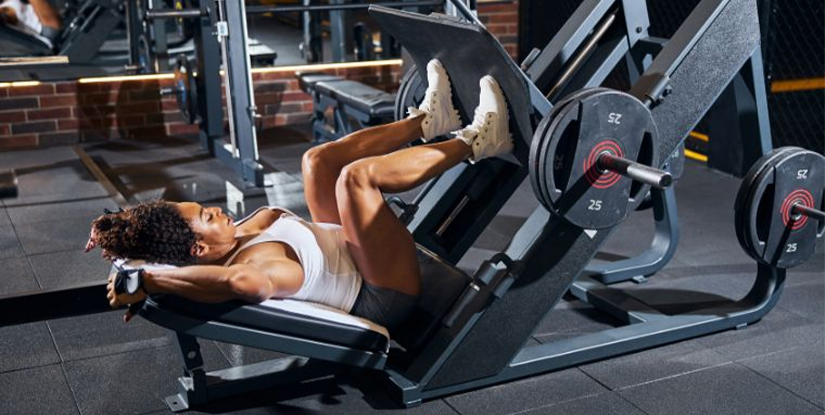
Operating a high-performance training facility requires more than just selecting heavy objects; it requires a calculated investment in mechanical integrity and ergonomic versatility. A common failure point for facility managers is the tendency to procure equipment based solely on aesthetic appeal or initial cost, ignoring the long-term structural demands of diverse training styles. This leads to premature fatigue in bearings, uneven wear on barbell knurling, and, most critically, safety hazards for users. Navigating the selection of weightlifting gym equipment for diverse training needs requires a technical understanding of material tolerances, load capacities, and maintenance-driven longevity.
Evaluating Structural Integrity and Material Selection for High-Volume Use
The primary reason equipment fails in a multi-use environment is the mismatch between the machine's structural capacity and the dynamic loads generated by diverse training regimens. While static weight is one factor, the kinetic energy produced during explosive lifts like snatches or cleans places significantly higher stress on frames and joints. A common mistake is procuring equipment designed only for slow, controlled movements, which lacks the impact resistance required for high-intensity Olympic weightlifting.
To mitigate this risk, procurement professionals must look beyond the "weight capacity" label and examine the gauge of the steel and the quality of the welding. A higher-quality frame will typically utilize a thicker gauge steel to prevent structural deformation under dynamic load. Furthermore, the way the components are joined—whether via fillet welds or more robust structural joints—dictates the lifespan of the unit.
| Material Property | Standard Commercial Grade | High-Performance / Olympic Grade |
|---|---|---|
| Steel Wall Thickness | 11-gauge (approx. 3mm) | 7-gauge to 11-gauge reinforced |
| Welding Type | Basic MIG Welding | Precision TIG or Reinforced Structural Welds |
| Dynamic Impact Resistance | Moderate (Good for bodyweight/light lifting) | High (Required for Olympic weightlifting) |
| Bearing Type | Standard Bushings | Sealed Precision Ball Bearings |
Once the structural core of the equipment is verified, the next critical step is examining the moving parts, specifically the bearing systems that allow for smooth rotation. This leads directly into the necessity of high-precision rotation components.
Optimizing Rotation Precision: Bearings vs. Bushings
A recurring complaint in diverse training environments is the "clunky" or "stiff" feeling during rapid bar transitions. This is almost always a symptom of inadequate rotation mechanisms. In weightlifting, the speed of the turnover is paramount; if the barbell does not rotate freely and smoothly, the torque is transferred directly to the lifter's wrists, increasing injury risk.
The choice between bushings and bearings is a fundamental decision for any operator. While bushings are durable and low-maintenance, they offer limited rotational speed. Precision ball bearings, however, provide the high-speed rotation necessary for Olympic-style movements but require more stringent environmental controls to prevent dust and debris infiltration.
The Mechanical Trade-offs in Rotation Systems
- Bushings: Ideal for heavy, slow-movement strength training. They are highly resilient to high-impact loading but lack the high-velocity smoothness required for technical snatching.
- Ball Bearings: Essential for high-speed, technical weightlifting. They allow for much faster rotation but are more sensitive to contamination and require more frequent inspection of the seals.
Understanding these mechanics allows an operator to match the specific piece of equipment to the specific user group, ensuring that the technical needs of an Olympic lifter do not exceed the mechanical limits of the gear. However, even the best bearings will fail if the routine maintenance of the rest of the machine is neglected.
Explore the complete technical specifications:
Preventative Maintenance Checklists for Long-Term Equipment Reliability
The transition from high-performance operation to mechanical failure is often sudden, yet the warning signs are usually present weeks in advance. Many facility managers fall into the trap of reactive maintenance—only fixing things when they break—which significantly increases downtime and replacement costs. A professional approach requires a structured, proactive inspection cadence.
A robust maintenance program should be segmented into daily visual checks and monthly deep-dive inspections. The goal is to identify micro-cracks in welds, loose fasteners, or degrading lubrication before they manifest as operational failures. For example, a loose bolt on a squat rack might seem minor, but under the dynamic load of a heavy squat, it can lead to catastrophic structural failure.
Monthly Operator Inspection Checklist:
- Fastener Integrity: Use a torque wrench to verify that all critical structural bolts meet the manufacturer's specified torque values.
- Weld Inspection: Visually inspect all major joints for signs of hairline fractures or discoloration, which may indicate stress fatigue.
- Bearing/Bushings Sound Test: Rotate the barbell or weight plate sleeve by hand; listen for grinding, clicking, or uneven resistance.
- Surface Condition: Check for rust, chipped paint, or exposed metal, particularly in high-humidity training environments.
- Cable and Pulley Integrity: For functional trainers, inspect cables for fraying, kinking, or broken strands.
Systematic verification of these points ensures that the equipment remains a tool for performance rather than a liability. Having a reliable maintenance schedule in place provides the necessary foundation for a safe facility layout and equipment placement.
Explore the complete technical specifications:
Managing Load Distribution and Floor Surface Integrity
Even the most durable weightlifting gym equipment is only as effective as the surface it sits upon. A common oversight in facility design is failing to account for the total energy transfer from the equipment to the floor. If a heavy barbell is dropped on an insufficiently damped surface, the shockwaves can travel back into the equipment, damaging the structural welds and the floor itself.
In a facility that caters to diverse training needs, the flooring must serve two purposes: it must protect the building's subfloor and it must provide a stable, non-slip platform for the athlete. An improper flooring choice can lead to a feedback loop of equipment damage and user instability.
| Floor Type | Best Use Case | Potential Failure Mode |
|---|---|---|
| Standard Rubber Tiles | General strength training, bodybuilding | Insufficient shock absorption for heavy drops |
| High-Density Drop Pads | Olympic weightlifting, CrossFit | Can be too soft, leading to instability during heavy squats |
| Multi-Layered Platform | Professional/Competition lifting | High cost and complex installation requirements |
When selecting surfaces, operators should verify the Shore durometer (hardness) and the thickness. A platform that is too hard will damage your equipment; a platform that is too soft will compromise a lifter's balance. Once the environment is stabilized, the focus must return to the specific tools used within that environment.
Explore the complete technical specifications:
Troubleshooting Common Equipment Performance Issues
Despite regular maintenance, certain issues will inevitably arise. The difference between a novice and a professional operator lies in the ability to diagnose the cause of a performance deviation quickly. Most equipment issues are not the result of "bad luck" but are the direct consequence of specific mechanical or operational causes.
Identifying whether a problem is a matter of simple adjustment or a fundamental component failure is critical for determining whether to repair or replace. For instance, a "noisy" barbell could be a simple case of a dry bearing, or it could be a sign that the internal races have been permanently deformed by an impact.
Diagnostic Guide for Frequent Issues
- Issue: Excessive Vibration during heavy lifts.
Cause: Loose floor mounting or insufficient weight plate density.
Fix: Verify floor stability and ensure all weight plates are seated firmly. - Issue: Stiff or uneven barbell rotation.
Cause: Debris in the bearings or lack of lubrication in bushings.
Fix: Clean the mechanism with compressed air and apply a specialized, non-residue lubricant if the model allows. - Issue: Audible Squeaking from cable machines.
Cause: Friction between the cable and the pulley or a dry pulley bearing.
Fix: Replace the cable if fraying is visible; lubricate the pulley bearing.
By following these diagnostic steps, operators can prevent minor annoyances from escalating into expensive replacements. This systematic approach to troubleshooting prepares the facility for the next level of growth and equipment integration.
Explore the complete technical specifications:
Maximizing ROI Through Smart Procurement Strategies
As the facility expands, the need for diverse weightlifting gym equipment for diverse training needs becomes a matter of scaling correctly. A common pitfall for growing gyms is purchasing "consumer-grade" equipment to save money, only to find that the equipment cannot handle the increased frequency of use as the membership grows. This results in a much higher total cost of ownership (TCO) due to frequent replacement cycles.
To maximize Return on Investment (ROI), focus on the TCO rather than the initial purchase price. A high-quality, commercial-grade squat rack may cost 40% more upfront, but it may last 3-4 times longer than a consumer-grade version under heavy use. This is especially true for items subjected to high impact, such as barbell plates and lifting platforms.
Key Metrics for Procurement Decisions:
- Estimated Lifespan: Ask suppliers for the expected service life under "heavy commercial" vs. "light commercial" usage.
- Parts Availability: Ensure that wear-and-tear parts (cables, bushings, bearings) are easily sourced through established channels.
- Versatility Factor: Prioritize equipment that can be adjusted for different user heights and training styles (e.g., adjustable pull-up bars, multi-grip handles).
Selecting equipment with a high versatility factor ensures that your facility can pivot to new training trends without requiring a complete overhaul of your hardware. This strategic foresight is the hallmark of a professionally managed training environment.
The Future of Training Hardware: Integration and Durability
As we look forward, the intersection of mechanical durability and digital integration is becoming more pronounced. While the core of weightlifting equipment remains the same—steel, bearings, and weight—the ways we monitor their performance are evolving. We are seeing a move toward equipment that can withstand higher loads while providing more precise data for the user.
However, no matter how much technology is integrated into the surface or the software, the physical durability of the steel and the quality of the mechanical assembly will always remain the foundation of a safe gym. A high-tech barbell is useless if the bearing system cannot handle the velocity of a professional lift. Therefore, the fundamentals of material selection and maintenance discussed throughout this guide remain the most critical components of any successful facility operation.