
Optimizing Longevity and Performance of Rising Bumper Plates
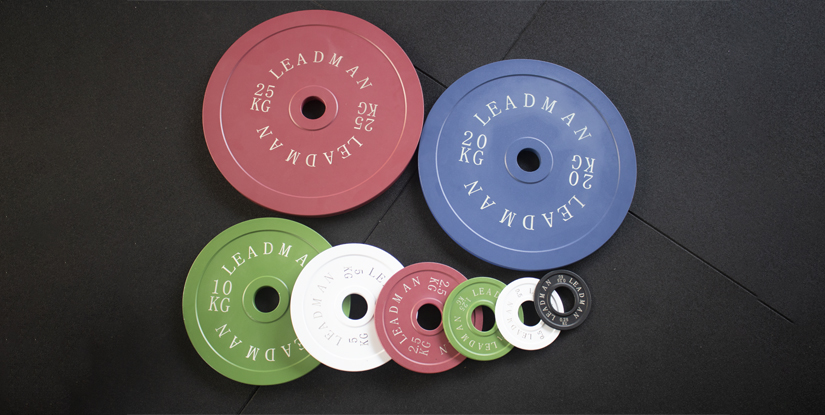
Identifying Structural Degradation in Bumper Plate Sets
In high-volume commercial strength environments, facility managers often face a recurring issue: the sudden loss of structural integrity in heavy lifting equipment. When high-impact training occurs, the primary failure mode observed is the gradual de-lamination or cracking of the outer edges of the weight units. This phenomenon, often colloquly referred to as the 'rising' or expanding effect of the material under stress, can lead to uneven weight distribution and increased shock transmission to the flooring.
The root cause of this degradation is rarely a single event but rather the cumulative fatigue of the high-density rubber or urethane compounds. As the material cycles through thousands of high-velocity drops, the internal density may shift or the bond between the core and the outer layer may weaken. This leads to a loss of the uniform shape required for stable barbell rotation and consistent contact surfaces. Before addressing the fix, an operator must be able to diagnose whether the issue is environmental or purely mechanical.
Common Indicators of Plate Fatigue
- Edge Fragmentation: Small pieces of material shedding from the outer circumference.
- Surface Irregularities: Visible bulging or 'rippling' on the face of the plate.
- Bounce Volatility: A significant increase in the unpredictable vertical rebound of the barbell after impact.
- Weight Variance: A detectable shift in the center of gravity during rotation.
Recognizing these signs early prevents more expensive secondary damage to your gym flooring systems and barbell sleeves. Once the degradation is identified, the focus must shift to selecting the correct material specifications to prevent recurrence.
Material Selection Criteria for High-Impact Environments
Understanding the specific failure modes of bumper plates requires a deep dive into the materials used during manufacturing. The choice between virgin rubber, recycled rubber, and various synthetic urethanes directly dictates the lifecycle of the equipment and the frequency of replacement. A common mistake among procurement managers is selecting based solely on initial cost, often overlooking the long-term 'cost-per-drop' ratio.
The following table outlines the performance characteristics of common materials used in high-quality bumper plate production to assist in the decision-making process.
| Material Type | Impact Absorption | Durability/Lifespan | Primary Use Case | Common Failure Mode |
|---|---|---|---|---|
| Virgin Rubber | Very High | Extremely High | Professional Weightlifting/CrossFit | Oxidation over long-term UV exposure |
| Recycled Rubber | High | Moderate | Commercial Strength Rooms | Odor and surface texture inconsistencies |
| Urethane Coating | Moderate | Very High | Performance/Functional Training | Cracking if core density is insufficient |
| Hybrid Composites | Variable | High | Multi-use Facilities | Delamination between layers |
When evaluating these options, operators should not only look at the hardness but also the Shore hardness range and the consistency of the density. A plate that is too soft may absorb shock well but will degrade rapidly under heavy loads, while a plate that is too hard may lack the necessary 'give' to protect the subfloor. This material selection is the foundational step in establishing a long-term maintenance protocol.
Density and Hardness Parameters
A professional-grade plate should maintain a consistent density throughout its radius. If the core is significantly softer than the outer rim, the internal structural stresses caused by rapid deceleration will eventually cause the plate to expand or warp. Operators should look for specifications that define the material's compressive strength to ensure it meets the rigors of daily commercial use.
With the correct materials in place, the next crucial phase is the implementation of a rigorous inspection and maintenance cycle to catch subtle shifts in performance.
Routine Inspection and Maintenance Protocols
Even the highest quality rising bumper plates require a structured inspection regime to ensure they remain safe for heavy loading. Relying on visual inspection alone is a frequent oversight; a comprehensive audit involves physical testing of the plate's integrity and the barbell's interaction with the weight. Failure to maintain a schedule can lead to catastrophic failures during high-intensity sessions.
To effectively manage your equipment, implement a tiered inspection system. This ensures that minor issues are caught before they become safety hazards that could result in equipment being pulled from service prematurely.
Tiered Inspection Checklist
- Daily (Visual Only): Check for loose bolts on barbell sleeves and visible cracks on the face of the plates.
- Weekly (Physical Audit): Inspect the center hole for diameter irregularities and check for any 'bulging' on the edges.
- Monthly (Comprehensive Assessment): Weigh a sample of the heaviest plates to ensure weight variance remains within acceptable tolerances (typically <1%) and check for any signs of material de-lamination.
This level of scrutiny ensures that the equipment stays within the optimal operational window. However, even with diligent care, certain environmental factors can undermine these efforts if not properly managed.
Related reading:
Environmental Factors Influencing Plate Longevity
While mechanical impact is the primary driver of wear, the environment in which the plates are stored and used plays a significant role in material stability. This is a nuance often missed in facility planning. Changes in ambient temperature and humidity can cause the materials to expand or contract, which, when combined with heavy impact, can accelerate the structural degradation of the plates.
For instance, extreme temperature fluctuations can cause certain synthetic polymers to become brittle. A brittle plate is far more prone to cracking during a high-velocity drop than a plate that has been kept in a temperature-controlled environment. This is particularly true for high-end urethane-coated equipment, which requires specific thermal stability to maintain its elasticity.
Temperature and Storage Management
Operators should ensure that the training area and storage solutions are kept within a standardized range. Rapid heating and cooling cycles can induce thermal stress. If your facility lacks full climate control, it is essential to implement the following:
- Buffered Storage: Do not store plates directly on cold concrete floors; use a rack or a raised platform.
- Avoid Direct Sunlight: Ensure no UV-heavy light sources are directed at the weight sets, as UV rays can break down the molecular bonds in the rubber.
- Humidity Monitoring: Maintain consistent humidity to prevent the core materials from absorbing moisture, which can lead to internal weight shifts.
By managing these variables, you provide a stable foundation for the structural integrity of your equipment. This stability is the key to maximizing the ROI of your strength training equipment investment.
Related reading:
Addressing Common Faults and Troubleshooting
Despite best practices, equipment will eventually show signs of wear. The ability to troubleshoot these issues in real-time is the difference between a minor replacement and a major safety incident. When a plate exhibits unusual behavior, the operator must first determine if the fault lies within the plate itself or the interaction with other components like the barbell or the floor.
The following troubleshooting guide is designed to help facility managers differentiate between material fatigue and external mechanical interference.
| Observed Symptom | Potential Cause | Recommended Action | Verification Step |
|---|---|---|---|
| Irregular Rebound/Bounce | Core density loss or floor rigidity | Replace plate or add more subfloor cushioning | Test with a different barbell/surface set |
| Noisy/Grinding Sound | Center hole expansion or barbell sleeve wear | Inspect barbell sleeve bearings and plate center diameter | Swap the barbell to see if sound persists |
| Increased Vibration | Loose collar or uneven plate thickness | Tighten collars and check plate thickness with calipers | Use a high-quality calibrated caliper |
| Edge Deformation | High-impact fatigue or thermal stress | Retire the plate immediately | Check the rest of the set for similar issues |
If the issue is identified as material fatigue, replacement is the only safe solution. Attempting to 'fix' a cracked or de-laminated plate is not possible and creates a significant liability for the facility operator.
The Importance of the 'Verification Step'
The most critical part of the troubleshooting process is the verification step. Never assume a problem is fixed just because a single action was taken. For example, if you believe the bounce is caused by the floor, test the same plate on a different surface before investing in new flooring. This prevents unnecessary expenditures and ensures the actual root cause is addressed.
Related reading:
The Role of Professional Flooring in Plate Longevity
It is a misconception that bumper plates exist in isolation; their lifespan is inextricably linked to the surface they strike. A high-quality plate can be significantly shortened if it is consistently used on an insufficiently compliant surface. The interaction between the impact of the plate and the resistance of the floor determines the amount of energy that is reflected back into the equipment.
When the floor is too rigid, the energy is not dissipated, causing a high-velocity rebound that stresses the internal structure of the plate. This is a major driver of the 'rising' or warping effect seen in lower-tier equipment. A professional facility must view the floor and the plates as a single, integrated system designed for energy management.
Selecting a Complementary Subfloor
When designing a space, the floor should be chosen based on the expected impact load. This involves looking at the Shore hardness of the flooring and its ability to withstand high-PSI impacts. A successful implementation requires a balance between impact absorption and the ability to return to its original shape quickly.
- High-Density Rubber Tiles: Ideal for general weightlifting where moderate drop-impact is expected.
- Multi-Layered Drop Pads: Essential for heavy barbell training and high-volume CrossFit environments to protect both the plate and the subfloor.
- Polyurethane Flooring: Excellent for aesthetics and durability, but requires a high-quality underlayment for shock absorption.
Understanding this relationship allows you to protect your commercial gym assets from premature wear and tear. Maintaining this balance is the final step in a complete operational strategy.
Related reading:
Summary of Operational Standards for Facility Managers
Managing a professional strength environment requires a proactive rather than reactive mindset. The durability of your rising bumper plates is not just a matter of buying better gear, but of implementing a culture of inspection, environmental control, and systemic thinking. By treating the plates, the bars, and the flooring as a unified system, you ensure a safer and more profitable operation.
As technology advances, the materials used in weight manufacturing will continue to evolve, but the fundamental physics of impact and material fatigue will remain constant. Facility managers who master these technical fundamentals today will be the ones with the lowest long-term equipment turnover costs.