
Starting a New Gym with a Weight Workout Set: A Strategic Implementation Guide
Market Realities and Capital Allocation in Gym Openings
Entering the fitness industry requires more than just a physical space; it requires a precise understanding of how fixed assets like a weight workout set impact long-term operational overhead. Many new operators suffer from the 'commodity trap,' where they purchase low-grade equipment to save on initial capital expenditure (CAPEX), only to face astronomical replacement costs and user dissatisfaction within eighteen months. From a market analyst perspective, the goal is not to find the cheapest set, but to find the highest durability-to-cost ratio that ensures a sustainable return on investment (ROI).
The CAPEX vs. OPEX Dilemma
When starting a new gym with a weight workout set, the decision-making process must pivot from looking at the initial invoice to calculating the Total Cost of Ownership (TCO). Low-grade sets often feature inferior coatings or non-standardized weight increments, which increases the frequency of maintenance and premature replacement. A professional approach involves prioritizing high-density materials and standardized dimensions that align with global fitness trends.
| Selection Metric | Entry-Level Equipment | Professional-Grade Set |
|---|---|---|
| Material Durability | Lightweight/Standard Steel | High-Density Carbon Steel/Cast Iron |
| Maintenance Frequency | High (monthly lubrication/inspection) | Low (quarterly inspection) |
| Depreciation Rate | Rapid (12-24 months) | Slow (3-5+ years) |
| User Experience | Inconsistent weight distribution | Precision-engineered balance |
Understanding these financial variables allows an operator to build a more resilient business model. Once the financial framework is established, the focus must shift to the actual technical specifications of the hardware being procured.
Technical Specification Standards for Weight Sets
Building upon the financial logic of durable procurement, an operator must now define the technical requirements for their weight workout set. The primary failure mode in new gyms is the procurement of equipment with non-standardized parts, which leads to a fragmented inventory that is difficult to maintain. A professional-grade setup requires strict adherence to standardization to ensure compatibility with various bars, racks, and plates.
Core Components of a Robust Setup
A comprehensive weight workout set is not merely a collection of weights; it is a synchronized system of bars, plates, and accessories. When specifying these components, look for the following technical benchmarks:
- Barbell Tolerance: Ensure barbells feature high-tensile strength and precise knurling patterns to prevent slippage.
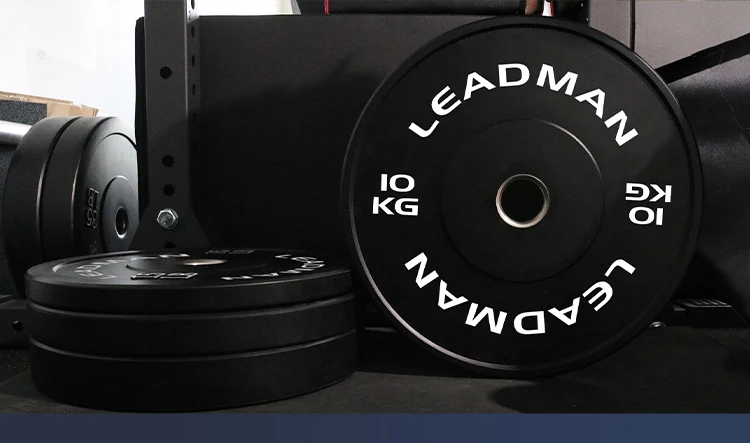
- Plate Uniformity: High-quality cast iron or urethane-coated plates should have minimal variance in weight between units.
- Bearing Quality: For barbell rotation, high-quality needle bearings or bushings are essential for smooth movement and longevity.
Failure to verify these specifications during the procurement phase often leads to uneven wear and potential safety hazards. Having established these standards, the next critical step is determining the optimal layout for these heavy assets.
Spatial Optimization and Weight Load Distribution
Once technical specifications are finalized, the physical implementation within the facility becomes the priority. A common mistake among new gym owners is neglecting the structural implications of heavy weight sets. A centralized weight area must account for both human movement clearance and the static load-bearing capacity of the flooring.
Floor Loading and Sub-floor Integrity
The weight of a full workout set can exceed several thousand kilograms in a concentrated area. If the facility's sub-floor is not rated for this concentration, structural cracks or shifts may occur. Operators must verify the load-bearing capacity of their specific building before installing heavy-duty racks or large plate trees.
Zone-Based Layout Strategies
A strategic layout follows a logical flow to prevent congestion and maximize safety. Use the following checklist to verify your layout plan:
- Clearance Zones: Is there at least 1.5 meters of clearance around each barbell station?
- Weight Transition Paths: Are there wide paths for moving heavy plates from storage to the workout areas?
- Verticality Utilization: Can vertical plate trees be used to reduce the horizontal footprint?
Effective spatial management ensures that the heavy equipment does not become an obstacle to user flow. This layout planning must be matched by a rigorous selection of floor protection to safeguard the investment.
Flooring Requirements for Impact Mitigation
Proper layout planning is only effective if the foundation beneath the equipment is sufficient. In a professional setting, a weight workout set requires specialized flooring to absorb kinetic energy and protect both the equipment and the building structure. Without appropriate impact mitigation, the vibration and shock from dropping weights will lead to hardware fatigue and structural noise complaints.
Selecting the Right Flooring Density
The choice of flooring is a decision-making variable that depends on the intended use of the weight set. For example, a dedicated lifting area requires different specifications than a general strength area.
| Flooring Type | Primary Benefit | Ideal Use Case |
|---|---|---|
| High-Density Rubber Tiles (20mm+) | High impact absorption; noise reduction | Heavy lifting/Powerlifting zones |
| Standard Rubber Rollout | Ease of cleaning; continuous surface | General strength/Circuit training |
| Multi-Layered EVA Foam | Light impact; high comfort | Lightweight/Aerobic/Warm-up areas |
When selecting flooring, always verify the density (Shore hardness) to ensure it can withstand high-pressure loading. Once the floor is secured, the focus shifts to the daily operational oversight of the equipment itself.
Daily Inspection Protocols and Safety Verification
With the equipment installed on a stable surface, the focus shifts from setup to long-term operational integrity. A professional gym operator must implement a systematic inspection cadence to identify wear and tear before it results in a failure. The primary cause of equipment-related injuries in new gyms is the failure to detect minor structural fatigue in racks or bars.
The Systematic Inspection Checklist
Operators should utilize a tiered inspection approach, ranging from daily visual checks to more intensive monthly mechanical audits. A standard inspection protocol should include the following steps:
- Visual Hardware Check: Inspect all bolts, nuts, and welding points on racks for signs of tension loss or hairline fractures.
- Barbell Integrity: Run a hand along the knurling to check for debris and check the rotation of the sleeves to ensure they move freely.
- Plate Condition: Look for cracks in the center holes or degradation in the coating of urethane/rubber plates.
A rigorous inspection schedule serves as a preventive measure against liability. To keep these inspections effective, a structured maintenance window must be formally integrated into the facility management schedule.
Preventive Maintenance and Longevity Strategies
Regular inspection is the diagnostic phase; preventive maintenance is the actual intervention. To maximize the lifespan of a weight workout set, operators must proactively address the inevitable friction and oxidation that occur in a high-use environment. Neglecting this phase results in a rapid decline in equipment performance and aesthetics.
Mechanical Maintenance of Barbells and Racks
High-performance barbells require regular lubrication of the bearing or bushing systems to maintain smooth rotation. Furthermore, metal components are subject to oxidation if exposed to moisture or sweat. A professional maintenance routine involves:
- Lubrication: Applying a thin film of specialized machine oil to barbell sleeves every 3-6 months.
- Rust Mitigation: Wiping down steel components with a light, non-abrasive cleaner to remove sweat residue.
- Torque Verification: Periodically re-tightening the bolts on squat racks and weight benches using a torque wrench to specified levels.
Consistent maintenance ensures that the equipment operates as intended, providing a premium experience for members. As the facility matures, the focus will eventually shift toward analyzing the ROI and replacement cycles.
Measuring ROI and Determining Replacement Cycles
After a period of successful operation, the analyst's role shifts to determining when to reinvest in new equipment. A weight workout set is a depreciating asset, and understanding its lifecycle is crucial for budgeting future capital expenditure. The goal is to replace equipment at the point of diminishing returns, rather than waiting for a catastrophic failure.
Indicators for Equipment Replacement
There are three main indicators that a piece of equipment has reached its end-of-life. Monitoring these helps prevent unexpected budget shocks:
- Performance Degradation: When barbells no longer rotate smoothly despite regular lubrication, or when weight plates show significant irregularity.
- Aesthetic Decline: While purely visual, significant coating degradation or rust can lower the perceived value of the gym facility.
- Safety Risk Threshold: When structural elements like rack uprights or bench frames show even minor signs of bending or metal fatigue.
By tracking these metrics, an operator can move from reactive purchasing to strategic asset management. This long-term view is what separates a temporary fitness space from a professional, enduring gym establishment.