
How Heavy Weight Lifting Equipment Supports Athletic Development
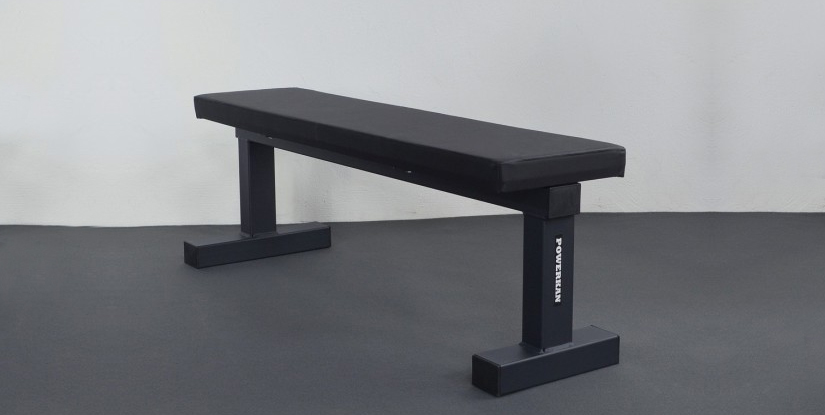
Critical Selection Benchmarks for High-Performance Training
In the professional coaching and facility management sectors, the debate often shifts from what exercises to perform to the quality of the implements used. Choosing subpar equipment is not merely a budgetary error; it is a direct threat to an athlete's mechanical consistency and long-term development. When an athlete moves under extreme loads, the equipment must behave predictably. A slight wobble in a barbell or an uneven resistance in a cable machine can disrupt neuromuscular patterns, leading to plateauing or, worse, injury.
Before committing capital to a new strength facility, a professional must look beyond the aesthetic and focus on the mechanical integrity of the gear. The following table outlines the primary selection criteria used to differentiate between commercial-grade and substandard lifting implements.
| Criteria | High-Performance Specification | Substandard/Consumer Indicators |
|---|---|---|
| Structural Rigidity | Welded steel junctions with high-gauge tubing; zero lateral sway under load. | Single-bolt connections; visible oscillation during heavy lifts. |
| Tight tolerances in moving parts (e.g., bearing smoothness, guide rod precision). | Loose or 'clunky' movement in pulleys or sliding mechanisms. | |
| Consistent knurling patterns and non-slip, high-density upholstery. | Uneven knurling or deteriorating foam that compromises grip and comfort. | |
| Certified weight limits with significant safety margins for dynamic movement. | Unverified weight limits; tendency to bend under repetitive high-load cycles. |
By prioritizing these technical benchmarks, a facility manager ensures that the equipment acts as a stable foundation rather than a variable that interferes with the athlete's output. Once the correct equipment is selected, the focus must shift to how these tools are integrated into a systematic training load.
Mechanical Integrity and Load Transfer Mechanics
Understanding how heavy weight lifting equipment supports athletic development requires a deep dive into the physics of load transfer. For an athlete to develop explosive power or absolute strength, the resistance provided by the machine or free weight must be true to the intended movement pattern. If a cable machine has high internal friction, the athlete is fighting the machine rather than the resistance, which distorts the stimulus.
The Role of Friction and Resistance Consistency
In cable-based training systems, the quality of the pulleys and the grade of the wire determines the quality of the hypertrophic or power stimulus. A common failure mode in mid-tier equipment is the buildup of internal friction within the pulley housing. This leads to 'stuttering'—a jerky movement that can cause a sudden loss of tension. For an athlete training for high-velocity movements, this stuttering can trigger a protective muscle contraction, effectively stalling their development.
- Verification Method: Perform a 'smoothness test' by moving the weight through its entire range of motion at a slow, constant speed to check for any resistance spikes.
- Operational Fix: Ensure pulleys are rated for high-frequency use and use only the manufacturer-specified lubricants to avoid residue buildup.
Consistent load transfer ensures that the athlete’s neural drive is applied directly to the target muscle group. This mechanical reliability is the prerequisite for moving into more complex, multi-joint movements.
Free Weight Precision and Kinetic Stability
While machines offer controlled environments, free weight equipment—such as barbells, dumbbells, and plates—remains the gold standard for developing functional, multi-planar stability. However, the precision of these tools is often underestimated. A barbell that is even slightly out of balance or has inconsistent knurling can introduce subtle proprioceptive errors.
Precision Requirements for Barbells and Plates
A professional-grade barbell must maintain a consistent whip and bend profile. If a barbell has irregular structural integrity, the way it reacts to heavy loads will change mid-lift, making it nearly impossible for an athlete to develop consistent motor patterns. Similarly, weight plates must be manufactured with tight tolerances to ensure even distribution.
| Component | Performance Requirement | Risk of Poor Quality |
|---|---|---|
| Barbell Knurling | Consistent, ergonomic texture for grip security. | Abrasive or inconsistent grip causing fatigue or dropped lifts. |
| Plate Calibration | Weight accuracy within a very narrow margin. | Imbalance leading to uneven load distribution and torque issues. |
| Bearing/Bushing | Smooth rotation of the sleeves for weight spin. | Excessive friction causing the bar to 'tug' during the lift. |
When the equipment provides a stable and predictable environment, the athlete can safely push their physiological limits. This stability is essential when transitioning from pure strength to high-velocity athletic training.
Optimizing Progressive Loading and Micro-Periodization
The ability to achieve incremental progress is a hallmark of successful athletic development. Heavy weight lifting equipment supports this by allowing for micro-loading—the ability to add very small increments of weight to a load. Without the ability to precisely manipulate load, an athlete may bypass the ideal stimulus for strength or strength-endurance phases.
The Impact of Load Increments on Neuromuscular Adaptation
Many standard weight sets only allow for increments of 2.5kg or 5kg. For an advanced athlete, a 5kg jump might represent a 2-3% increase, which can be too large a leap to maintain perfect form. This results in 'ego lifting,' where the athlete sacrifices technique to move the weight, leading to stagnation or injury. To support long-term development, facilities should invest in fractional plates and adjustable resistance systems.
- Implementation Detail: Integrate fractional plates (0.25kg to 1kg) into the standard training kit to facilitate constant, incremental progress.
- Common Mistake: Relying solely on large plate jumps, which forces the athlete to use momentum rather than pure muscular force.
By mastering these precise loading increments, athletes can maintain the technical proficiency required for the more rigorous maintenance and safety protocols of a high-use facility.
Operational Longevity Through Preventative Maintenance
The sophisticated nature of heavy weight lifting equipment means that its performance is directly tied to its maintenance schedule. A machine that is not maintained is a machine that will eventually fail to support an athlete's development properly, often by introducing unpredictable variables during a lift.
Standard Inspection and Maintenance Checklist
A professional operator should treat maintenance as a non-negotiable part of the daily routine. Neglecting a simple bolt or a lubrication point can lead to catastrophic failure or a slow decline in the equipment's utility.
- Daily Visual Inspection: Check for frayed cables, loose bolts on weight stacks, and worn upholstery.
- Weekly Mechanical Check: Test the resistance of pulleys, ensure the barbell sleeves rotate freely, and check the integrity of weight plate collars.
- Monthly Structural Audit: Inspect all load-bearing welds, structural uprights, and the tension of any cable-based systems.
This systematic approach ensures that the equipment remains a reliable tool for high-performance development. Once the maintenance cycle is established, the next step is ensuring the environment where this equipment lives is optimized for the user.
Safety Engineering and Environmental Layout
The physical placement of heavy lifting equipment is as important as the equipment itself. An optimized layout minimizes the risk of collisions and ensures that athletes have the necessary clearance for safe, high-intensity movements. Safety is not just about the machine; it is about the space the machine occupies.
Mitigating Risk Through Space Management
A common failure in facility design is the lack of 'buffer zones.' If a squat rack is placed too close to a cable machine, the athlete’s peripheral movement or the machine's moving parts can create a hazard. Professional-grade facilities design their layouts around the maximum footprint of the equipment during its most dynamic movement.
| Zone Type | Requirement | Implementation Action |
|---|---|---|
| Primary Lift Zone | Clearance of at least 1.5 meters around free weights. | Use floor markings to define safe lifting areas. |
| Access Corridors | Minimum 1.2 meters for safe passage. | Keep weight plates and smaller implements off the main floor. |
| High-density flooring beneath heavy weight areas. | Ensure rubber flooring thickness is sufficient for shock absorption. |
A safe environment allows the athlete to focus entirely on the lift, reducing the cognitive load associated with environmental distractions. This focus is the final piece in the synergy between the athlete and their equipment.
Maximizing Long-Term ROI and Asset Value
For a facility owner or a procurement professional, the ultimate goal is to maximize the return on investment (ROI) of their equipment. This is achieved by choosing durable, high-quality pieces and following the maintenance protocols discussed earlier. Cheap equipment that requires frequent replacement is a significant drain on long-term capital.
Total Cost of Ownership (TCO) Perspective
When evaluating equipment, do not look at the purchase price alone; look at the TCO. High-quality, heavy-duty equipment may have a higher upfront cost, but its durability and resistance to mechanical wear mean it will last several years longer than consumer-grade alternatives. This results in lower replacement costs and less downtime for the facility.
Verification of ROI: Track the frequency of equipment repairs and the rate of replacement. A low repair frequency combined with high athlete satisfaction is a clear indicator of a successful procurement strategy. By viewing equipment as a long-term developmental tool rather than a consumable expense, operators can build more resilient and successful training programs.