
Sourcing Gym Equipment for Corporate Wellness Centers: A Technical Procurement Guide
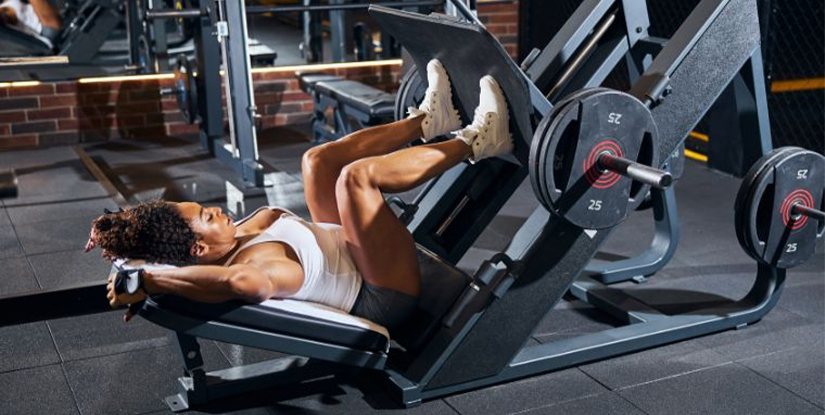
The Fallacy of Consumer-Grade Durability in Corporate Environments
A common misconception among facility managers is that high-end residential equipment is sufficient for a corporate wellness setting. This assumption often leads to premature mechanical failure and increased liability. While residential machines may look robust, they lack the duty cycle capacity required for non-stop, unmonitored use by a diverse workforce. In a corporate wellness center, the equipment undergoes high-frequency, varying-intensity use that residential components—specifically bearings, motors, and upholstery—are simply not engineered to withstand.
To avoid the high cost of frequent replacements, procurement teams must shift their focus from aesthetic appeal to technical durability and duty cycle ratings. Understanding the fundamental difference between consumer-grade and commercial-spec equipment is the first step in a successful procurement strategy. Once the baseline requirement for durability is established, the next critical factor is the physiological diversity of the user base.
Defining Duty Cycle Requirements
When sourcing, the duty cycle refers to the intended frequency and duration of use. For a corporate setting, you are looking for equipment rated for high-volume, multi-user environments. Failure to meet this standard often results in overheating of electronic consoles or premature wear on cable systems. Always verify if the manufacturer specifies a 'commercial-grade' rating for high-traffic facilities rather than just 'home-use' or 'light commercial.'
Addressing User Diversity Through Ergonomic Versatility
Building on the necessity for durability, the second major hurdle in sourcing gym equipment for corporate wellness centers is the vast range of human anthropometrics. Unlike a boutique studio where instructors can guide form, corporate centers are often unsupervised. This lack of supervision increases the risk of injury if the equipment does not accommodate a wide range of heights, limb lengths, and body types.
The technical solution lies in selecting equipment with highly adjustable adjustment points and ergonomic versatility. A failure to provide this leads to low engagement rates and potential musculoskeletal injuries among employees. For instance, a stationary bike with limited seat adjustment may be unusable for a very tall employee, while a treadmill with a fixed incline might not suit a shorter user. Verification of adjustment ranges is a mandatory step in the selection process.
| Feature Type | Required Metric for Corporate Settings | Failure Mode if Missing |
|---|---|---|
| Strength Adjustment | Weight stacks exceeding 100kg or highly granular incremental weights | Limited progression for diverse users |
| Cardio Adjustability | Seat/Handlebar travel distance (min. 15cm range) | Ergonomic discomfort or joint strain |
| Console Interface | Standardized, intuitive controls with physical buttons | High error rate/User frustration |
| Machine Footprint | Standardized dimensions for consistent spacing | Inefficient space utilization/Safety hazards |
Selecting equipment with these versatile parameters ensures that the center remains inclusive and safe for the entire workforce. With the user demographic addressed, we must now turn to the mechanical integrity of the hardware itself.
Material Selection and Structural Integrity Standards
Once you have identified the need for ergonomic versatility, you must scrutinize the physical materials used in construction. A major failure point in lower-tier equipment is the use of lightweight alloys or thin-walled steel tubing that can buckle or vibrate under heavy loads. In a corporate environment, the structural integrity must be over-engineered to handle the unpredictability of varied user movements.
The primary focus should be on the gauge of the steel and the quality of the welding. Low-gauge steel is prone to oxidation and structural fatigue, which creates a significant safety risk. Furthermore, the upholstery—a frequently overlooked component—must be resistant to both high-frequency use and rigorous chemical sanitization. Common mistakes include purchasing equipment with porous upholstery that absorbs sweat and degrades when cleaned with standard medical-grade wipes.
Key Material Verification Checklist
- Steel Gauge: Ensure a minimum of 11-gauge or 12-gauge steel for heavy resistance machines.
- Weld Quality: Check for smooth, continuous welds; avoid 'tack welding' which indicates a lower manufacturing standard.
- Upholstery Grade: Specify high-density foam with antimicrobial, medical-grade vinyl.
- Bearing Longevity: Verify the presence of sealed, high-capacity bearings in moving parts.
Verifying these material specs protects the long-term ROI of the facility. However, even the best materials require a systematic approach to ongoing maintenance to prevent mechanical degradation.
Explore the complete technical specifications:
Maintenance Protocols and Preventive Inspection Schedules
The durability of the materials selected is only as effective as the maintenance protocol that follows. A common mistake in corporate management is treating the gym as a 'set and forget' amenity. Without a structured inspection cadence, small issues like a loose bolt or a fraying cable can rapidly escalate into catastrophic mechanical failures.
A professional maintenance program should be divided into three tiers: daily visual checks, weekly mechanical inspections, and quarterly deep-service protocols. This systematic approach prevents the 'cascade failure' phenomenon, where a small lack of lubrication leads to heat buildup, which then destroys a bearing, eventually seizing the entire machine. The goal is to move from reactive repairs—which disrupt employee use—to proactive prevention.
The Tiered Maintenance Framework
| Interval | Action Item | Target Focus Area |
|---|---|---|
| Daily | Visual Sweep | Cables, upholstery, and loose bolts |
| Weekly | Component Functionality | Resistance tension, electronic consoles, and belt tension |
| Monthly | Lubrication and Tightening | Pivot points, guide rods, and track lubrication |
| Quarterly | Deep Mechanical Inspection | Motor brushes, structural welds, and electrical connections |
Rigorous adherence to these schedules minimizes downtime and ensures the safety of the users. As the technical aspects of the equipment are stabilized, the next focus must shift to the spatial logic of the facility layout.
Explore the complete technical specifications:
40 Kg Kettlebell | Professional Selection and Maintenance Guide
Spatial Optimization and Operational Flow
Effective maintenance ensures the machines work, but a poor layout prevents them from being used efficiently. After establishing a maintenance cadence, operators must address how the equipment is physically distributed within the space. A common problem in corporate wellness centers is 'congestion zones,' where heavy-use machines are placed too close together, creating both a safety hazard and a psychological barrier to use.
The cause of poor spatial flow is often a lack of technical oversight during the initial procurement phase. Designers frequently focus on the total square footage rather than the 'functional footprint' of each machine. To solve this, you must calculate the footprint of the machine plus a 'buffer zone' for user movement and safety clearance. A machine that is technically sound but placed in a high-traffic walkway will inevitably be subjected to accidental collisions, leading to accelerated cosmetic and structural wear.
Operational Flow Requirements
- Zoning: Group high-intensity resistance equipment away from low-intensity cardio areas to prevent workflow interference.
- Electrical Access: Place motorized equipment (treadmills, ellipticals) near dedicated power circuits to avoid trip hazards from extension cords.
- Airflow and Heat: Position cardio equipment in areas with high air exchange to prevent localized temperature spikes.
- Clearance Standards: Maintain a minimum of 1 meter of clearance around all moving parts and resistance machines.
Optimizing the space ensures that the equipment can be utilized to its full potential without operational friction. With the layout finalized, the final step is the verification of compliance and safety standards.
Explore the complete technical specifications:
Final Verification: Compliance and Safety Certifications
Establishing a high-quality layout is the final piece of the puzzle, but it must be validated against formal standards. The last and most critical step in the sourcing process is the verification of safety and compliance certifications. Relying on a supplier's verbal assurance of 'safety' is insufficient; you must demand documented evidence of technical compliance.
The failure to verify these documents can lead to significant liability issues for the corporation. Most reputable manufacturers will provide documentation regarding their adherence to international safety standards for commercial fitness equipment. This documentation serves as your technical proof of the equipment's suitability for a professional environment.
Essential Certifications to Verify
Before finalizing any purchase order, ensure the following technical standards are met:
- Structural Safety: Verification of weight-load capacities and fatigue testing reports.
- Electrical Compliance: Certification for electronic consoles (e.g., UL, CE) to ensure electrical safety and electromagnetic interference (EMI)-free operation.
- Ergonomic Standards: Evidence of anthropometric testing for adjustment ranges.
- Environmental/Chemical Standards: Verification that upholstery and finishes are non-toxic and resistant to common industrial cleaners.
By following this comprehensive technical guide—from selecting high-duty-cycle materials to verifying final certifications—you ensure that your corporate wellness center is a durable, safe, and high-performing asset for your organization.