
Selecting and Maintaining a 40 Kg Kettlebell for Commercial Use
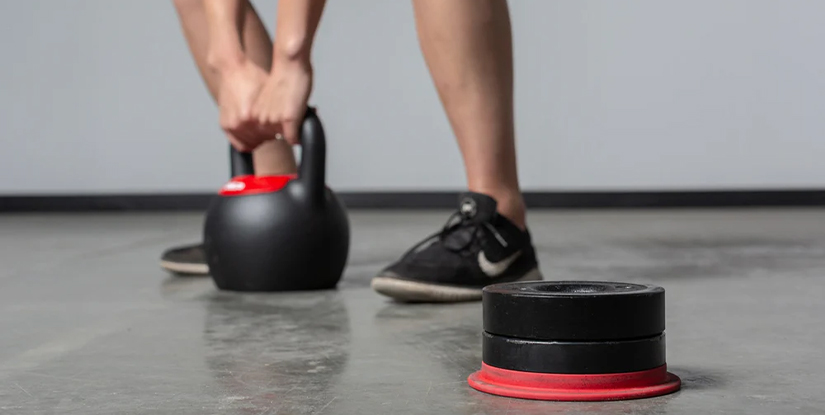
Procuring heavy-duty strength equipment requires a shift in perspective from consumer-grade purchasing to industrial-grade asset management. When a facility manager or professional coach selects a 40 Kg Kettlebell, they are not just buying a single piece of iron; they are investing in a high-impact tool that subjects flooring, storage systems, and user safety to significant stress. The primary challenge lies in the disparity between aesthetic design and functional durability. A kettlebell that looks professional may fail under the high-frequency impact typical of professional training environments.
Material Composition and Casting Integrity Standards
Understanding the structural nuances of high-weight kettlebells is the first step in avoiding premature replacement costs. The core issue for most facility operators is the presence of internal voids or inconsistent density in low-quality castings, which can lead to structural failure during high-velocity movements like snatches or cleans.
Cast Iron vs. Competition-Style Steel
Most heavy-weight implements fall into two categories: traditional cast iron or precision-milled steel. While cast iron is standard for rugged training, competition-grade steel offers a more consistent diameter, which is critical for grip stability at higher weights. Professionals must evaluate the surface finish to ensure that the weight distribution is uniform around the bell's circumference.
| Feature | Traditional Cast Iron | Precision Steel Kettlebell |
|---|---|---|
| Surface Texture | Rough/Granular (High Friction) | Smooth/Polished (Consistent Grip) |
| Weight Tolerance | Moderate variance common | High precision/Uniformity |
| Ideal Use Case | High-impact/Rugged Training | Technical/Skill-based Movement |
| Durability Profile | Extremely high impact resistance | Optimized for consistent movement |
A failure to verify the weight distribution of a 40 Kg Kettlebell can lead to uneven muscle recruitment or, in extreme cases, unexpected torque shifts during a swing. Once the material integrity is verified, the next critical consideration is how this mass interacts with the facility's surface.
Floor Load Impacts and Shock Absorption Requirements
A common failure mode in commercial gym design is the underestimation of the kinetic energy transferred to the floor when a heavy implement is dropped or even placed down. A 40 kg mass, when subject to gravity and human-generated force, creates a significant shockwave that can degrade standard rubber mats or even sub-flooring over time.
Determining Required Shore Hardness
Facility managers must match the implement weight to the floor's Shore hardness and thickness. Using a single-layer thin rubber mat with high-weight implements often results in the 'cratering' effect, where the repeated impact creates permanent indentations in the material. This is not merely an aesthetic issue; it creates trip hazards and compromises the integrity of the entire flooring system.
When selecting a gym flooring solution, ensure it is rated for high-impact absorption. A professional specification should ideally include a multi-layered approach: a high-density base layer for structural stability and a top layer with sufficient Shore hardness to absorb the shock of a 40 kg impact. Failure to implement this leads to high replacement costs for both the flooring and the equipment itself.
By securing the surface, the focus shifts from the floor to the implement's own structural longevity through proper maintenance.
Related reading:
Handle Ergonomics and Coating Durability
The interface between the user and the 40 kg mass is the handle. In professional settings, the most frequent complaint is handle degradation—either through excessive rusting or the peeling of powder coatings. If the handle becomes too thin or too textured due to poor manufacturing, it increases the risk of grip failure.
Identifying Common Handle Defects
- Inconsistent Diameter: Variations in the handle thickness can cause discomfort during long sets.
- Coating Delamination: Cheap powder coatings often flake off, leaving sharp edges or rusted metal.
- Rough Weld Points: Inspect the junction where the handle meets the bell for any jagged protrusions.
A high-quality 40 Kg Kettlebell should feature a smooth, continuous-diameter handle that is either uncoated cast iron or a high-quality, vulcanized rubber coating. Verification of this quality should involve a physical tactile test—running a gloved hand over the handle to detect any snagging points. Establishing these standards prevents a high turnover of equipment due to user discomfort or injury.
Once the ergonomics are confirmed, the facility must develop a routine to maintain these surfaces over time.
Related reading:
Preventative Maintenance and Rust Mitigation Protocols
Even the most durable 40 kg kettlebell requires a maintenance regimen to prevent oxidation and maintain user safety. Moisture from hands and perspiration is the primary cause of surface degradation in commercial environments, especially in high-humidity or outdoor-access facilities.
Step-by-Step Inspection Checklist
Operators should implement a monthly inspection protocol to ensure long-term ROI on heavy implements. Use the following checklist during routine facility walkthroughs:
- Visual Inspection: Check for any visible rust patches or signs of metal fatigue at the handle junction.
- Weight Verification: Periodically check for significant weight loss due to heavy corrosion.
- Handle Smoothness: Feel for any burrs or uneven surfaces that could cause abrasions.
- Base Integrity: Ensure the bottom of the bell is flat and not chipped, which can cause wobbling.
If rust is detected, the fix involves a light abrasive cleaning followed by a thin application of a non-scented mineral oil to create a moisture barrier. Neglecting this step can lead to a gradual degradation of the metal, eventually making the 40 Kg Kettlebell unfit for professional use. Proper maintenance ensures the piece stays in peak condition, but it also necessitates a structured way to store and organize the equipment.
Related reading:
Optimizing Storage and Rack Loading Solutions
The way a 40 kg implement is stored is just as important as how it is used. Improper storage leads to two major issues: damage to the implement and damage to the storage structure itself. A standard weight rack that is not rated for high-density, heavy-weight distribution will eventually experience structural fatigue.
Selecting the Right Storage Configuration
When designing a storage area, professional operators must calculate the total load weight of the entire set. A rack holding several 40 kg kettlebells requires a much higher load rating than a rack designed for lighter, aesthetic-focused equipment. If the weight exceeds the rack's capacity, the resulting tilt or collapse can cause severe facility damage.
| Storage Type | Best For | Primary Risk |
|---|---|---|
| A-Frame Floor Racks | High-frequency access and durability | Can be unstable if not properly weighted |
| Tiered Wall Shelving | Space-saving in small facilities | High risk of wall/mounting failure if overloaded |
| Modular Weight Trees | Organized, professional aesthetics | Often have lower load ratings per tier |
Verify that any storage equipment selected has an explicit load rating that accounts for the cumulative weight of the entire set. This ensures that the vertical and horizontal stresses of heavy implement movement do not compromise the facility's layout. With a robust storage plan in place, the facility is ready to deploy the equipment effectively through structured training protocols.
Related reading:
Operational Safety and Weight-Specific Training Protocols
Moving a 40 kg mass requires a different level of mechanical precision than lighter implements. The primary risk for a professional trainer or facility user is the 'momentum overshoot,' where the heavy weight can pull the user out of a balanced stance if the movement is not strictly controlled.
Mitigating High-Mass Risks
The risk of injury often stems from a lack of technical mastery or inadequate space. In a professional setting, the 40 Kg Kettlebell should never be used in cramped areas or near other high-value equipment without a clear 'buffer zone.' The kinetic energy of a 40 kg bell in motion is immense; even a minor misstep can lead to significant collateral damage to surrounding assets or people.
To ensure safety, facility managers should mandate a specific training protocol: instructors must verify that users have mastered the technique with lighter weights (e.g., 24 kg or 32 kg) before attempting the 40 kg load. This is not just a coaching preference; it is a risk management strategy to prevent accidental drops and subsequent floor or equipment damage. By implementing these professional standards, the facility ensures that the 40 kg kettlebell remains a valuable, long-term asset rather than a liability.