
Optimizing Longevity of Rubber Barbell Weights in Commercial Facilities
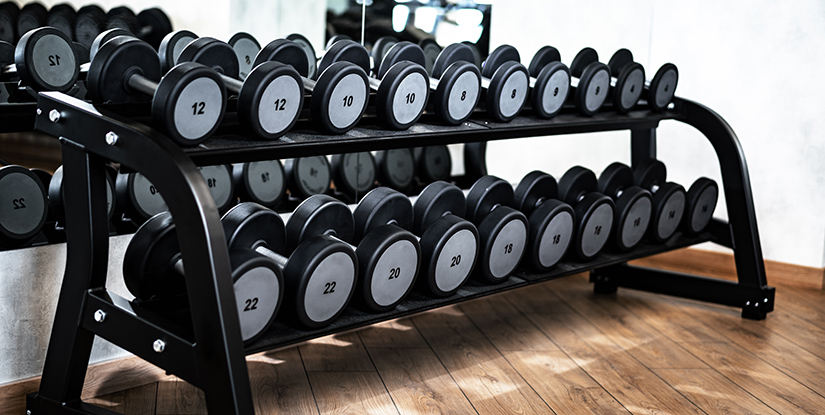
Material Composition and Selection Criteria for Rubber Barbell Weights
Selecting the right equipment for a high-traffic commercial gym requires a fundamental understanding of material science. Many facility operators encounter the problem of premature cracking or 'chalking'—a fine powder residue left on surfaces. This is often caused by using low-grade, recycled rubber blends that lack the necessary elasticity and UV stabilizers. When choosing Rubber Barbell Weights, the procurement focus must shift from initial cost to the chemical and physical properties of the elastomer used.
Understanding Shore Hardness and Density
The resilience of a weight plate is largely determined by its Shore hardness. While there is no single 'perfect' number, commercial-grade weights typically fall within a specific range to balance impact absorption with durability. A plate that is too soft may deform under high heat or heavy load, while a plate that is too hard will lack the shock absorption required to protect your gym flooring system. Operators should request technical data sheets that specify the density and hardness ranges to ensure consistency across a full set.
| Material Type | Primary Benefit | Common Failure Mode | Ideal Use Case |
|---|---|---|---|
| Virgin Rubber | High elasticity and minimal scent | Higher initial capital expenditure | Premium boutique fitness clubs |
| Recycled Rubber | Excellent impact absorption | Potential for odors and surface wear | High-volume strength training zones |
| Polyurethane Hybrid | Extreme durability and precision | Higher density and weight variance | Professional lifting platforms |
By evaluating these material tiers, a facility manager can predict how the equipment will behave under heavy daily use. Once the material selection is finalized, the focus must move toward the mechanical integration of these weights with the barbell itself.
Manufacturing Precision and Weight Tolerance Standards
A common frustration for strength coaches is the lack of calibration in training sets. Inconsistent weight distribution across a set of Rubber Barbell Weights can lead to uneven bar loading, which fundamentally alters the mechanics of a lift. This problem usually stems from poor molding processes where the rubber core is not centered or the volume of material is inconsistent.
The Impact of Dimensional Tolerances
For professional environments, the tolerance threshold is a critical metric. A standard commercial weight should ideally maintain a precision of +/- 1% to 1.5%. If a 20kg plate actually weighs 19.2kg, it creates a cumulative error when building heavy barbell loads. This discrepancy is not just a technical nuisance; it can lead to improper loading of power racks and eventual instability in the lift.
- Verifying Weight Accuracy: Use a calibrated digital scale to check a sample of 5-10% of the new shipment.
- Checking Dimensional Symmetry: Measure the inner diameter (ID) of the plates to ensure they fit the barbell sleeve without excessive wobble.
- Edge Integrity: Inspect for 'flash' (excess material) which can snag during rapid loading and unloading.
Ensuring that your equipment meets these precision standards prevents long-term technical errors in athlete training. However, even the most precisely manufactured weights require a systematic approach to physical upkeep to maintain that integrity.
Maintaining Surface Integrity and Preventing Surface Degradation
The exterior surface of a weight plate is its first line of defense against environmental factors and physical impact. A frequent issue in climate-controlled gyms is the 'brittleness' observed in older rubber plates. This is often caused by oxidation or improper storage, where the rubber loses its essential oils and becomes prone to chipping or cracking upon impact.
Common Degradation Scenarios
Operators should monitor for specific failure modes that indicate the rubber is reaching the end of its functional life. Below are the most common indicators found during routine facility walkthroughs:
- Surface Chalking: A fine layer of white powder appearing on the surface, indicating polymer breakdown.
- Ozone Cracking: Small, hair-like cracks appearing on the edges, often caused by exposure to high UV or harsh cleaning chemicals.
- Deformation: Permanent flat spots or 'out-of-round' shapes caused by stacking weights in high-temperature environments.
To mitigate these issues, avoid using petroleum-based cleaners on your equipment, as these can chemically degrade the rubber. Instead, use a damp cloth with a mild, pH-neutral solution. Maintaining the surface quality is the next logical step in preserving the mechanical utility of the weights.
Related reading:
Optimal Storage Protocols and Environmental Constraints
How a facility stores its Rubber Barbell Weights is just as important as the initial purchase. Improper storage leads to two primary problems: permanent deformation and accelerated material aging. If weights are stacked vertically in high-heat areas, the bottom plates in the stack can undergo 'creep,' a slow deformation that renders the plates unusable for high-precision lifting.
Temperature and Humidity Controls
Commercial strength areas should ideally maintain a stable temperature. Drastic fluctuations in temperature can cause the rubber to expand and contract, which may stress the internal metal or plastic cores. In high-humidity environments, such as outdoor training facilities or poorly ventilated basements, the risk of moisture ingress into the weight core increases, potentially leading to internal corrosion or mold growth.
| Storage Method | Pros | Cons | Verification Step |
|---|---|---|---|
| Vertical Plate Trees | Maximizes floor space | Can lead to weight shifting if not secured | Check for stability every 30 days |
| Horizontal Racks | Distributes weight evenly | Takes up significant floor footprint | Inspect for stacking height limits |
| Wall-Mounted Pegs | Clears floor areas completely | Requires structural wall reinforcement | Verify bolt torque semi-annually |
Establishing these storage protocols ensures that the equipment remains in a predictable state. When the weights are stored correctly, the next phase of management involves the rigorous inspection of the barbell and plate interface.
Related reading:
The Barbell-Weight Interface and Loading Safety
A critical safety concern in any weightlifting area is the interface between the barbell sleeve and the hole of the Rubber Barbell Weights. If the hole diameter is too large, the weight can slide or tilt during a lift, causing a sudden shift in the center of mass. This is a frequent cause of grip failure and accidental drops in high-intensity training environments.
Identifying and Fixing Fitment Issues
If you notice that your weights are 'wobbling' excessively on the bar, you must identify the cause before an injury occurs. This is rarely a fault of the barbell itself, but rather a mismatch in the tolerances between the plate ID and the sleeve OD (Outer Diameter). A common mistake is mixing different manufacturers' weights on a single barbell, as their tolerance standards may differ significantly.
To verify a safe fit, perform a 'slow-load' test. Place the weight on the bar and observe the movement. A professional-grade fit should have minimal lateral movement but should not be so tight that it creates friction during rotation. If the fit is too loose, consider using high-quality collars to secure the weights, but do not use collars to compensate for poorly sized plates.
Once the fitment is confirmed, the operator must shift focus to the long-term maintenance of the loading hardware.
Related reading:
Routine Maintenance and Inspection Checklist for Operators
A professional facility cannot rely on reactive repairs; a proactive maintenance schedule is required to ensure both safety and ROI. A systematic approach to inspecting Rubber Barbell Weights will allow you to catch minor issues—like small cracks or edge chipping—before they become expensive replacements.
The Monthly Inspection Routine
Facility managers should implement a monthly audit of all weight-related assets. This is not merely a visual check, but a physical verification of the equipment's structural integrity. Use the following checklist to standardize the process across multiple staff members:
- Visual Surface Scan: Check for any signs of surface chalking, discoloration, or chemical staining.
- The 'Drop' Test (Visual): Observe the weight as it is dropped (from a low, controlled height) to ensure it settles squarely and does not bounce erratically.
- Odor Inspection: Note any increase in chemical or rubber odors, which can indicate thermal or chemical degradation.
- Core Integrity Check: Inspect the center hole for any signs of deformation or internal structural failure.
A completed checklist provides a paper trail for insurance and liability purposes, proving that the facility is maintaining a high standard of care. This rigorous oversight directly supports the long-term durability of the entire gym ecosystem.
Related reading:
Troubleshooting Common Equipment Failure Modes
When equipment fails in a commercial setting, it often follows predictable patterns. Understanding these patterns allows for faster resolution and minimizes downtime for members. Most issues with Rubber Barbell Weights are not spontaneous; they are the result of specific environmental or operational stressors.
Problem, Cause, and Fix Matrix
When an issue is identified, use this matrix to diagnose the root cause and implement an actionable fix.
| Observed Problem | Potential Root Cause | Actionable Fix |
|---|---|---|
| Cracking at the Edges | Extreme impact or low-quality rubber | Replace weight; evaluate floor impact mats |
| Uneven Weight Distribution | Poor manufacturing tolerance | Return to vendor; verify with digital scale |
| Unpleasant Odor | Chemical exposure or high heat | Relocate to ventilated area; clean with pH-neutral solution |
| Difficult Loading/Unloading | Incorrect sleeve/plate diameter match | Standardize weight sets by manufacturer |
By using a structured troubleshooting approach, facility managers can move from identifying a problem to verifying its resolution with professional certainty. This analytical mindset is essential for maintaining a high-performance training environment.
Related reading:
Final Insights for Professional Procurement and Long-Term ROI
The procurement of Rubber Barbell Weights is a long-term investment in a facility's operational capacity. To maximize Return on Investment (ROI), buyers must look beyond the initial price tag and consider the total cost of ownership, which includes maintenance, replacement frequency, and the impact on floor-load longevity. A high-quality, well-maintained set of weights reduces the frequency of repairs and ensures a consistent, professional experience for the end user.
Verifying Success in the Long Term
Success in equipment management is verified through the stability of your assets over time. If your weights remain within their specified tolerances, maintain their surface integrity, and show no signs of unexpected degradation, your procurement and maintenance strategies are working. Continue to prioritize technical specifications—such as Shore hardness and weight tolerance—over generic descriptions to ensure your facility remains a premier training destination.