
Optimizing Commercial Strength Training with Rubber 10Kg Weight Plates
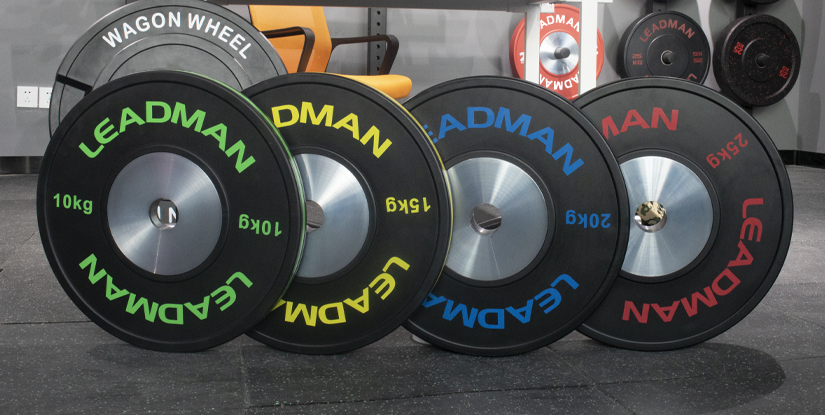
The Myth of Uniform Density in Rubber 10Kg Weight Plates
A common misconception among facility managers is that all Rubber 10Kg Weight Plates are manufactured to the same density specifications. In high-traffic commercial environments, this assumption can lead to significant discrepancies in barbell balance and uneven floor wear. While many operators believe that a 10kg designation guarantees a specific feel, the truth is that the internal core composition and the outer rubber coating's Shore hardness can vary wildly between production batches.
The problem arises when a facility mixes low-grade, high-density cast iron cores with thin, low-grade rubber coatings. This results in plates that may look identical but possess different thickness profiles, making it nearly impossible to balance a barbell perfectly. To mitigate this, operators must look beyond the weight label and verify the structural homogeneity of the unit. A high-quality plate should maintain a consistent thickness-to-diameter ratio across an entire set.
Failure to verify these tolerances often results in 'dead weight' sensations during compound movements, where one side of the bar feels significantly heavier due to center-of-gravity shifts. Once you understand the structural nuances, the next critical step is evaluating the material composition to ensure longevity.
Material Composition Verification Checklist
- Core Material: Ensure a solid iron or high-density steel core is used for stability.
- Coating Type: Verify if the coating is high-grade vulcanized rubber or a cheaper polyurethane blend.
- Thickness Consistency: Use a digital caliper to check that multiple plates within a set fall within a ±2% tolerance range.
Establishing a baseline for material quality allows you to transition from simple procurement to rigorous technical inspection.
Selecting High-Durability Rubber Compounds for Longevity
Moving from the basic density myths to actual material selection, the longevity of your strength training area depends heavily on the chemical properties of the rubber used. In commercial settings, the primary failure mode is not the weight itself, but the degradation of the rubber surface due to UV exposure, temperature fluctuations, and mechanical impact.
When selecting Rubber 10Kg Weight Plates, the Shore hardness of the rubber is the most vital technical specification. A Shore hardness that is too low leads to excessive 'bounce' and rapid edge crumbling, whereas a hardness that is too high can become brittle and crack under cold temperatures. Professional facility operators typically look for a balanced Shore hardness range that offers both impact absorption and structural rigidity.
| Material Type | Durgo/Impact Resistance | Typical Use Case | Maintenance Requirement |
|---|---|---|---|
| Vulcanized Rubber | High | Heavy lifting/CrossFit | Low (Requires occasional dusting) |
| Polyurethane Coating | Medium | Standard Commercial Gym | Medium (Sensitive to scratches) |
| Standard Recycled Rubber | Low | Home/Light Use | High (Prone to cracking/smell) |
The selection of a high-grade vulcanized rubber ensures that the plates can withstand the high-frequency dropping characteristic of modern functional training. This durability directly impacts the lifespan of your underlying gym flooring, a connection we will explore in the next section.
The Relationship Between Plate Impact and Flooring Integrity
Understanding that your choice of plates dictates the longevity of your floor is essential for calculating total cost of ownership. A common error is purchasing high-impact rubber plates while neglecting the shock absorption properties of the subfloor, leading to accelerated damage to both the plates and the facility's foundation.
The kinetic energy transferred during a drop is determined by the mass (10kg) and the velocity of the impact. While the rubber exterior of the plate provides an initial buffer, the way that energy is dissipated through the floor depends on the thickness and density of your gym mats. If the flooring is too thin, the shockwave will cause the rubber edges of the plates to chip or 'spall' over time.
To verify a safe setup, use the following operational logic: if you observe fine rubber dust accumulating around your weight racks, it is a signal that the impact energy is exceeding the floor's absorption capacity. This is often a symptom of using high-impact plates on insufficient padding. By balancing plate density with floor thickness, you create a closed-loop system of protection.
Proper floor-plate synergy is the foundation of a safe environment, but even with perfect absorption, the plates themselves require regular mechanical oversight.
Related reading:
Routine Inspection and Maintenance Protocols
Effective facility management requires moving from reactive repairs to proactive maintenance. For high-use items like Rubber 10Kg Weight Plates, a structured inspection cadence is the only way to prevent injury and unexpected replacement costs.
The most common failure mode in commercial gyms is the loosening of the central steel hub or the separation of the rubber shell from the core. This is often caused by extreme temperature cycles in non-climate-controlled environments. When the metal core expands and contracts at a different rate than the rubber coating, the bond can break, creating a safety hazard during heavy lifts.
Monthly Inspection Workflow
- Visual Surface Check: Look for cracks, peeling, or discoloration in the rubber coating.
- The 'Squeeze' Test: Apply moderate pressure to the edges to ensure the rubber is still firmly bonded to the inner core.
- Hub Integrity: Inspect the center hole for any deformation or widening that might cause instability on the barbell sleeve.
- Weight Verification: Once per quarter, weigh a sample of plates on a calibrated scale to ensure no mass has been lost to erosion.
If any plate fails the squeeze test or shows signs of core exposure, it must be removed from service immediately. This rigorous approach ensures that your inventory remains a reliable asset rather than a liability.
Maintaining a high standard of plate care is not just about longevity; it is about the precision required for high-level training. We will now address how to manage the precision of a full set.
Related reading:
Maintaining Precision and Balance Across Weight Sets
Once your maintenance protocols are in place, the next operational challenge is ensuring the mathematical balance of your training implements. Even with high-quality plates, a single outlier in a set can compromise a barbell's center of gravity, leading to unilateral muscle strain for the lifter.
The problem of 'unbalanced bars' often stems from the cumulative effect of small manufacturing tolerances. In a large facility, if one set of 10kg plates is slightly thicker than another, a lifter might experience a different weight feel depending on which rack they select. This is a major pain point for professional strength athletes who rely on absolute consistency.
| Symptom | Probable Cause | Actionable Fix |
|---|---|---|
| Barbell tilts to one side | Differential weight between plates | Re-calibrate set with a precision scale |
| Constant rattling on sleeve | Inconsistent plate thickness | Check for diameter variations or hub wear |
| Unpredictable rotation | Uneven mass distribution in core | Retire plate from professional use |
To maintain precision, avoid mixing different production batches within the same barbell setup. Even if they are the same weight class, subtle changes in the rubber-to-core ratio can cause the issues listed above. By standardizing your sets, you ensure a predictable and safe training experience.
While set balance is critical for performance, the facility operator must also consider the logistical aspects of storage and space optimization.
Related reading:
Storage Optimization and Environmental Controls
The way your equipment is stored can either preserve its quality or accelerate its degradation. Many operators overlook the fact that rubber is a polymer that reacts to its environment, making storage a technical decision rather than just a space-saving one.
Storing plates in direct sunlight or near high-heat sources (like HVAC vents or heaters) can lead to 'outgassing,' where the volatile organic compounds in the rubber evaporate, leaving the plates brittle and prone to cracking. Furthermore, stacking plates too high in a vertical rack can cause the bottom plates to deform under the constant compressive load, a phenomenon known as 'compression set.'
Optimized Storage Parameters
- Temperature Range: Aim for a stable, climate-controlled environment (ideally between 15°C and 25°C).
- Light Exposure: Store weight plates in areas shielded from direct UV rays to prevent rubber oxidation.
- Stacking Height: Limit vertical plate stacks to a height that does not exceed the manufacturer's load rating for the rack.
Implementing these controls will significantly extend the interval between your major equipment replacement cycles. With the physical upkeep understood, we can conclude with the long-term economic impact of these decisions.
Related reading:
Long-term ROI and Lifecycle Management
The final stage of professional equipment management is understanding the Return on Investment (ROI) through the lens of lifecycle management. For a commercial facility, the cost of the equipment is only one part of the equation; the real cost is the frequency of replacement and the downtime caused by faulty gear.
A facility that invests in high-grade, meticulously inspected equipment will see a much lower 'cost-per-use' than one that buys the cheapest available option. The initial savings of a budget-grade plate are quickly erased by the costs of replacing broken floors, replacing chipped plates, and the potential liability of an unbalanced barbell. The most successful operators view the technical specifications of their equipment as a direct predictor of their long-term operational overhead.
By following the protocols outlined in this guide—from verifying density to controlling environmental exposure—you transform your equipment from a consumable expense into a durable, high-performing asset. This proactive stance is the hallmark of a professionally managed commercial fitness facility.