
Quality Control Standards Among Dumbbell Manufacturers: A Procurement Strategy Guide
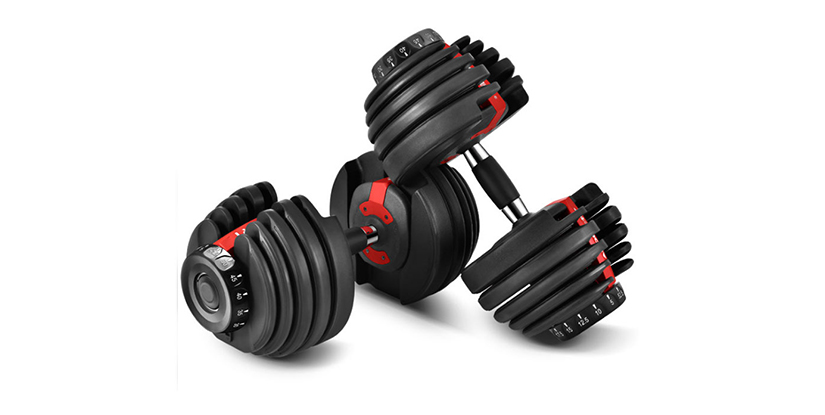
Understanding the Material Lifecycle of High-End Dumbbells
For institutional buyers and large-scale fitness distributors, the procurement of dumbbells is often viewed as a simple commodity purchase. However, a strategic perspective reveals that the value of these assets is directly tied to the metallurgical and chemical integrity established at the onset of the manufacturing lifecycle. High-quality dumbbells are not merely weighted objects; they are precision-engineered tools that undergo a complex transformation from raw ore and chemical polymers to finished commercial-grade equipment.
A failure to understand this 0→1 process leads to premature depreciation, high replacement costs, and potential liability issues. Professional procurement must move beyond visual aesthetics to scrutinize the fundamental material inputs. By understanding the lifecycle—from raw material sourcing to final coating application—buyers can better evaluate the long-term ROI of their inventory. This foundational knowledge of material integrity is the first step toward establishing a rigorous vetting process for potential suppliers.
The Role of Raw Material Selection
The core of any dumbbell—whether cast iron, steel, or rubber-encased—is its metallurgical composition. For cast iron models, the carbon content must be strictly controlled to prevent brittleness, which can lead to catastrophic failure under impact. For steel-core dumbbells, the tensile strength of the rod determines the durability of the handle and the stability of the weight distribution. Assessing a manufacturer's ability to source certified raw materials is the primary indicator of future product reliability.
Rigorous Standards for Casting and Metallurgical Integrity
Once the raw materials are sourced, the manufacturing process enters the critical phase of shaping and molding. In the production of cast iron dumbbells, the precision of the mold and the consistency of the molten metal flow dictate the density and uniformity of the final product. Poorly managed casting processes often result in internal voids or uneven weight distribution, which can destabilize a user's movement.
A major pain point for facility managers is receiving equipment that is off-weight or physically unbalanced. This is often caused by inconsistent cooling rates or improper mold density. To mitigate this, sophisticated manufacturers implement automated inspection points throughout the cooling cycle. Understanding these technical bottlenecks allows a buyer to ask the right questions regarding the manufacturer's volumetric accuracy and density control.
Common Casting Defects and Prevention
Identifying potential failures during the procurement phase requires knowledge of typical manufacturing defects. A robust quality control protocol should specifically target the following:
- Porosity: Microscopic air pockets caused by uneven temperature control, leading to structural weakness.
- Shrinkage Cracks: Structural fractures occurring during the cooling phase if the thermal transition is too rapid.
- Weight Disparity: Inconsistencies in the mold volume or metal density that result in non-compliant weights.
To verify a manufacturer's capability, one should request documentation regarding their thermal management protocols and their tolerance levels for weight deviation. Once the core weight is secured, the focus shifts to the secondary phase: the interface between the weight and the hand.
Precision Engineering of Handle Ergonomics and Grip Durability
The transition from the weight head to the handle represents a significant point of mechanical stress. The interface where the handle meets the weight—the sleeve or the weld point—is frequently the site of structural failure in lower-tier manufacturing. Whether the design utilizes a threaded screw-on system or a permanent weld, the structural integrity of this junction is paramount.
An unbalanced or poorly joined handle can lead to catastrophic accidents if the weight head becomes detached during high-velocity movement.Reliable manufacturers employ rigorous testing for both the physical diameter and the texture of the grip. A handle that is too slick or a grip that wears down after minimal use will drive up long-term replacement costs. Consequently, procurement specialists must evaluate the material of the handle itself, focusing on non-slip coatings or knurling depth.
Standardized Metrics for Handle Verification
| Feature | High-Standard Specification | Common Low-Tier Failure | Verification Method |
|---|---|---|---|
| Knurling Depth | Consistent, non-aggressive tactile feedback | Sharpened edges or shallow, uneven texture | Manual tactile inspection & scale check |
| Handle Diameter | Uniformity within ±1mm across the entire length | Tapered or inconsistent thickness | Digital caliper measurement |
| Coating Adhesion | High resistance to abrasion and sweat | Peeling, cracking, or discoloration | Rub test with standardized abrasive |
| Joint Integrity | Zero play or wobble at the weight-handle interface | Rattling or visible gap under load | Manual stress/torque test |
By establishing these benchmarks, buyers can move from subjective opinions to objective technical verification. This level of scrutiny ensures that the ergonomic elements of the product are as durable as the weight itself, setting the stage for the final protective layer: the surface finish.
Explore the complete technical specifications:
Surface Finish Integrity and Chemical Stability
The final layer of a dumbbell—be it neoprene, rubber, or powder coating—is the primary defense against environmental degradation and user contact. A common failure mode in commercial environments is the premature aging of these coatings, which manifests as peeling, hardening, or a lingering chemical odor. This is often caused by sub-standard polymer blends or improper curing processes during the coating application.
For rubber-encelased dumbbells, the quality of the vulcanization process is a key differentiator. Inferior rubber can release Volatile Organic Compounds (VOCs) or become brittle over time, leading to cracking. High-tier manufacturers ensure that their coatings are chemically stable and designed for the high-impact environments of commercial gyms. This stage of manufacturing is critical for maintaining the aesthetic and functional longevity of the equipment.
Evaluating Coating Longevity and Safety
When evaluating surface finishes, it is essential to look beyond the initial appearance. A professional buyer should consider the following criteria to avoid the hidden costs of poor material science:
- Odor Profile: Low-quality rubber often possesses a strong, persistent chemical scent that can negatively impact gym air quality.
- Abrasion Resistance: The ability of the coating to withstand repetitive contact with flooring and other weights without chipping.
- Environmental Stability: Resistance to discoloration and degradation caused by sweat, skin oils, and humidity.
The durability of the finish is inherently tied to the quality of the preparation steps taken just before the coating is applied. Ensuring a clean, well-adhered surface requires a precise sequence of cleaning and priming, which we will examine in the next phase of the manufacturing workflow.
Explore the complete technical specifications:
Pre-Coating Preparation and Adhesion Optimization
The effectiveness of any surface coating is heavily dependent on the preparation of the substrate. If the underlying metal or cast iron is not properly decontaminated, the coating will eventually fail, regardless of the quality of the coating material itself. This is a classic "cause and effect" scenario: poor preparation causes poor adhesion, which leads to the visible peeling that plagues low-quality equipment.
Advanced manufacturing facilities use automated cleaning stations to remove oils, oxides, and manufacturing residues. Without this step, the bonding of the polymer or paint is compromised. A systematic approach to surface preparation is a hallmark of a manufacturer that understands the long-term lifecycle of their products.
The Criticality of Substrate Decontamination
To ensure that a manufacturer is following high-level protocols, procurement teams should look for the following processes in the production line:
- Degreasing: The removal of industrial lubricants used during the casting or machining phases.
- Oxide Removal: The elimination of surface rust or oxidation to ensure a clean surface for bonding.
- Surface Texturing: The creation of a microscopic profile that increases the mechanical grip of the coating.
Successful preparation is the bridge between a solid structural core and a long-lasting exterior. With the structural and surface integrity secured, the final stage of the manufacturing process focuses on the most critical metric of all: total weight accuracy.
Explore the complete technical specifications:
Weight Calibration and Compliance Verification
The ultimate test of any dumbbell manufacturer is the accuracy of the final weight. In a commercial setting, weight discrepancies are not merely a quality issue; they are a calibration issue. If a 25kg dumbbell consistently weighs 24.2kg, it impacts the integrity of strength training programs and can even lead to disputes regarding equipment fairness in professional settings.
Strict quality control standards require that every unit undergoes a final calibration check. This is not a sampling-based approach but a standard-operating-procedure (SOP) involving calibrated digital scales. This ensures that even if a manufacturing drift occurs during a production run, the end product remains within the specified tolerance levels.
Weight Tolerance Benchmarks for Commercial Procurement
| Dumbbell Type | Target Tolerance Range | Acceptable Deviation | Primary Cause of Variance |
|---|---|---|---|
| Cast Iron (Standard) | ±1% to ±2% | Highly predictable weight distribution | Mold volume inconsistency |
| Rubber Encasement | ±1% to ±3% | Depends on rubber density stability | Inconsistent material injection |
| Precision Steel/Chrome | ±0.5% to ±1% | High-precision manufacturing requirement | Machine calibration errors |
When reviewing a supplier'off-spec documentation, look for their ability to identify and isolate batches that fall outside these tolerance ranges. This ability to self-correct is the difference between a manufacturer that provides a product and a partner that provides a reliable asset.
Explore the complete technical specifications:
Operational Longevity and Maintenance Planning
Once the dumbbells have cleared the manufacturing and calibration stages, the lifecycle shifts from production to operation. For the facility owner, the focus must move toward long-term maintenance to protect the investment. Even the highest quality dumbbells require a level of environmental management to prevent the degradation of the materials discussed earlier.
The maintenance phase is the final chapter in the procurement lifecycle. By understanding the potential failure modes—such as rubber hardening or metal oxidation—operators can implement preventative measures that extend the equipment's utility. This proactive approach ensures that the rigorous quality control standards established during manufacturing are preserved throughout the product's functional life.
Maintenance and Inspection Checklist for Operators
To maximize the return on investment, facility managers should incorporate the following checks into their monthly equipment audits:
- Visual Surface Audit: Check for any signs of bubbling, peeling, or cracking in the coating.
- Weight Verification Spot-Check: Use a calibrated scale to verify a random sample of weights to ensure no gradual loss of integrity.
- Handle Ergonomic Check: Inspect knurling for wear and ensure handles remain free of significant rust or corrosion.
- Environmental Review: Ensure storage areas are climate-controlled to prevent humidity-driven oxidation.
By integrating these manufacturing insights into their procurement and operational strategies, professionals can secure high-performance equipment that meets the highest standards of durability and safety.