
Optimizing Equipment Longevity with Olympic Plate Rubber Covers
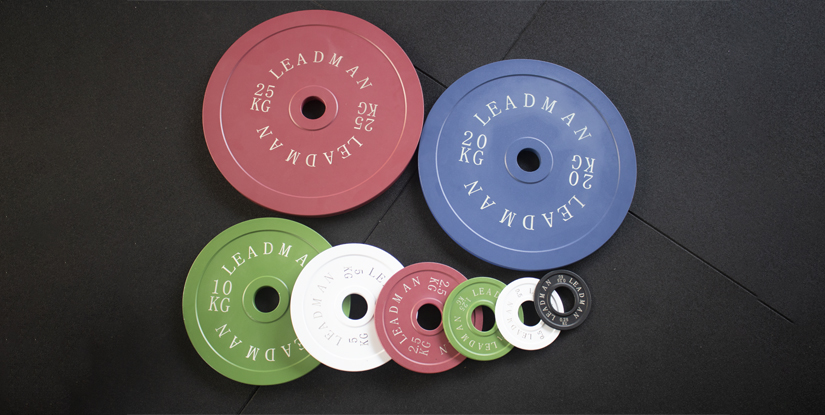
The Cost of Neglected Plate Protection
Facility managers and high-end gym owners frequently encounter a frustrating cycle of equipment degradation caused by unprotected weight plates. When metal or high-density cast iron plates strike a hard floor or adjacent equipment without adequate buffering, the resulting impact shockwaves travel through the entire structural frame of the rack and the subfloor. This often leads to premature loosening of bolts, structural fatigue in power racks, and micro-fractures in the flooring substrate. Without the damping properties provided by Olympic Plate Rubber Covers, a facility faces significantly higher long-term maintenance costs and a shorter replacement cycle for both weight sets and flooring systems.
The root cause is kinetic energy transfer. A heavy plate dropped without a resilient outer layer concentrates force on a singular, hard point of contact. This creates a high-velocity impact that bypasses the natural elasticity of standard gym mats. By implementing a systematic approach to plate surfacing, operators can mitigate these vibrational shocks. Understanding the specific failure modes of unprotected weights is the necessary first step before selecting the appropriate protective material for your facility.
Material Degradation and Surface Integrity Analysis
Once the necessity of protection is established, the focus must shift to why certain materials fail under heavy commercial use. A common mistake among procurement managers is selecting covers based solely on thickness rather than the chemical composition and shore hardness of the polymer. Low-quality rubber compounds often suffer from 'chalking' or becoming brittle over time due to UV exposure or temperature fluctuations in large warehouse-style gyms.
Common Failure Modes in Plate Surfacing
- Surface Cracking: Often caused by extreme temperature swings in non-climate-controlled facilities, leading to the loss of plasticizers.
- Delamination: Occurs when the adhesive or mechanical bond between the cover and the core plate fails due to low-grade manufacturing processes.
- Compression Set: A failure where the rubber loses its ability to return to its original shape after repetitive heavy impacts, resulting in a permanently deformed profile.
To avoid these issues, operators must verify that the material is rated for high-impact, high-frequency usage. A high compression set rate is a primary indicator of poor quality. Addressing these material-level deficiencies ensures that the protection remains effective throughout the equipment's lifecycle. This technical understanding of material durability leads directly into the selection process for different facility types.
Selection Criteria for Commercial Grade Rubberization
Selecting the right Olympic Plate Rubber Covers requires more than a visual inspection; it requires a comparison of technical specifications relative to your gym's specific environment. A boutique studio with limited heavy lifting requires different tolerances than a professional strength and conditioning center. The following table outlines the decision-making parameters for different facility tiers.
| Feature | Boutique/Home Studio | Mid-Tier Commercial Gym | High-Performance/Pro Facility |
|---|---|---|---|
| Primary Requirement | Aesthetics & Low Noise | Durability & Impact Absorption | Maximum Shock Dissipation & Longevity |
| Ideal Shore Hardness | Medium-Soft (Lower Shore A) | Medium (Standard Shore A) | High Density/High Impact Grade |
| Thickness Tolerance | Low/Variable | Standardized | Strict Precision Requirements |
| Typical Use Case | Light lifting & Aesthetics | General Strength Training | High-Volume/Heavy Dropping Operations
When reviewing supplier specifications, look for the Shore hardness range. For example, a softer rubber might be better for noise reduction in a hotel gym, whereas a denser, more resilient rubber is mandatory for facilities where heavy deadlifts are a primary activity. Having selected your target material class, the next critical step is understanding how to install and verify the fitment to prevent mechanical failure.
Related reading:
Precision Installation and Fitment Verification
Even the highest quality Olympic Plate Rubber Covers will fail if the installation process is overlooked. Improper fitment creates a gap between the core plate and the rubber surface, which allows debris to enter the interface. This debris acts as an abrasive, eventually causing the cover to slip or even detach during high-velocity movements. Precision is the difference between a durable solution and a recurring maintenance headache.
The Step-by-Step Installation Protocol
- Surface Decontamination: Clean the core plate thoroughly with an isopropyl solution to remove all traces of grease, dust, or oxidation.
- Tolerance Verification: Measure the diameter of the plate and the internal diameter of the cover using a digital caliper. The tolerance should ideally be less than 0.5mm to ensure a snug fit.
- Thermal Expansion Pre-treatment: In some cases, a slight temperature elevation of the rubber can aid in a tighter mechanical bond; however, excessive heat can degrade the polymer structure.
- Mechanical Fastening Check: If the cover utilizes a mechanical retention system, ensure all fasteners are seated without over-torquing, which could cause localized thinning of the rubber.
A successful installation is verified through the 'shake test': once seated, the cover should not move or shift when the plate is rotated or moved laterally. Failing to achieve this level of precision leads to the mechanical issues discussed in the previous sections. Once the plates are correctly fitted, the operator must transition to a rigorous inspection schedule to maintain long-term performance.
Related reading:
Standardized Inspection and Maintenance Cycles
Regular inspection is the only way to proactively identify the onset of material fatigue before a total failure occurs. For professional facility operators, relying on a visual 'once-a-month' check is insufficient for high-volume environments. A structured inspection protocol allows for the identification of micro-cracks or delamination before they become a safety hazard or a replacement cost.
Operational Inspection Checklist
If an inspector finds that a plate exhibits a significant compression set or edge fraying, that specific plate should be flagged for replacement immediately. Ignoring these early signs leads to the broader structural issues mentioned at the start of this guide. Maintaining this standard of care directly impacts the overall ROI of your strength equipment procurement. The following section addresses how to troubleshoot specific problems encountered during these inspections.
Related reading:
Troubleshooting Common Plate Cover Failures
When a failure occurs despite following a maintenance schedule, it is essential to diagnose whether the fault lies in the material, the installation, or the usage environment. Misdiagnosis leads to wasted budget, as operators may replace high-quality plates only to encounter the same issue with the new set due to an unchanged root cause.
Diagnostic Logic for Operator Decision Making
If you notice the Olympic Plate Rubber Covers are peeling, check the environmental temperature and the cleaning agents used. High-alkaline cleaners can strip the essential oils from the rubber, causing premature hardening. If the issue is a loose fit, the problem is likely an incorrect tolerance match during the procurement phase. For high-performance facilities, it is common for users to exceed the intended Shore hardness of the cover, effectively 'breaking' the material's ability to rebound.
Common Scenario: A facility observes plates 'sliding' on the barbell during use. Diagnosis: This is often not a material failure but a result of either improper cleaning (oil buildup) or an undersized diameter match. Fix: Re-clean the core plate and verify the caliper measurements against the manufacturer's spec sheet. Verifying these variables prevents the unnecessary disposal of perfectly functional equipment.
Related reading:
Future-Proofing Your Equipment Procurement
As fitness technology and material science evolve, the standards for protective equipment continue to rise. Looking forward, the industry is moving toward bio-based polymers and highly advanced synthetic elastomers that offer even better durability. When planning future expansions or replacement cycles, it is wise to prioritize materials that offer documented resilience and specific thermal stability ratings.
The ultimate goal for any facility manager is to create a seamless, low-maintenance environment. By focusing on the technical nuances of Olympic Plate Rubber Covers—from Shore hardness to precision installation—you ensure that your facility remains a professional-grade space that protects both the equipment and the long-term profitability of the operation. As you move toward your next procurement cycle, keep these technical benchmarks at the forefront of your selection process.