
Optimizing Your Facility with an Olympic Rubber Plate Set
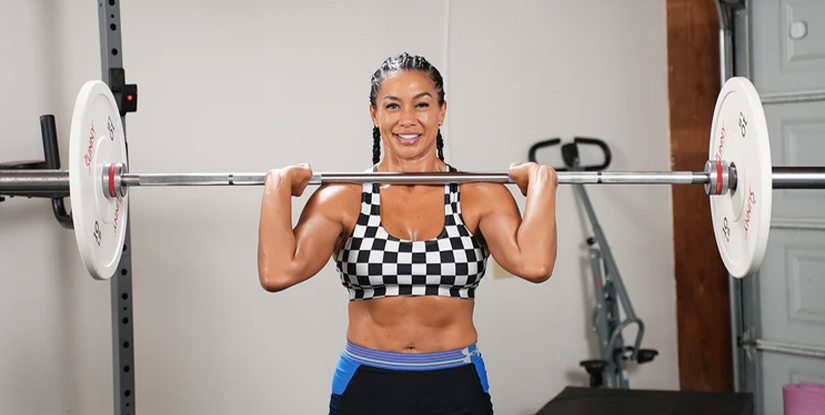
The Durability Myth of Standard Rubberized Weight Sets
Many facility managers operate under the assumption that all rubberized weight lifting equipment is created equal. A common misconception is that any heavy, black disc labeled as rubber will withstand the high-impact environment of a commercial strength zone. In reality, many low-grade sets are merely thin rubber skins over cheap filler, leading to premature cracking and uneven weight distribution. This misunderly leads to increased replacement costs and increased floor vibration.
A professional-grade Olympic Rubber Plate Set is engineered differently. Rather than a cosmetic coating, true commercial sets utilize high-density virgin or recycled rubber throughout the entire density profile. This ensures that even if the surface suffers a superficial scratch, the structural integrity and weight remain constant. Understanding the distinction between a decorative coating and a solid-density construction is the first step in making a procurement decision that avoids the 'disposable equipment' cycle.
By recognizing that structural density dictates longevity, operators can shift their focus from initial price points to long-term lifecycle costs. This technical understanding is essential before examining the specific materials used in manufacturing.
Material Composition and Density Standards
Building upon the necessity of structural integrity, we must examine what actually constitutes a high-quality material profile. The longevity of an Olympic Rubber Plate Set is directly tied to the Shore hardness and the purity of the rubber compounds used during the compression molding process.
Understanding Shore Hardness in Strength Equipment
In a commercial setting, the 'hardness' of the plate determines how it absorbs impact and how long it protects your flooring. High-quality plates typically fall within a specific hardness range that balances shock absorption with durability. If a plate is too soft, it will deform under heavy loads; if it is too hard, it can cause excessive bounce and damage to the barbell and the subfloor.
| Material Type | Density Profile | Typical Application | Primary Advantage |
|---|---|---|---|
| Virgin Rubber | High/Consistent | Premium Commercial Gyms | Maximum durability and minimal odor |
| Recycled Rubber | Medium/Variable | CrossFit and Training Centers | Excellent shock absorption |
| Rubber-Coated Iron | High/Rigid | Standard Weight Rooms | Precise weight increments |
Operators should demand documentation regarding the density consistency of their sets. A common failure mode occurs when a set contains plates of varying densities, causing the barbell to become unbalanced during high-velocity movements. Verifying the uniformity of the material is a critical step in quality control.
Once the material composition is verified, the next logical step is evaluating how these plates interact with the barbell and the facility's structural load-bearing capacity.
Load Distribution and Barbell Compatibility
A high-quality Olympic Rubber Plate Set does not exist in a vacuum; its performance is deeply intertwined with the barbell it loads. A frequent mistake made by new facility owners is purchasing high-end plates while using low-quality bars, which creates a mismatch in friction and load distribution.
Calibrating the Center Hole Tolerance
The center hole (or sleeve) of the plate must have a precise tolerance to ensure a snug fit on a standard 50mm Olympic barbell. If the hole is too wide, the plates will rattle excessively, leading to uneven kinetic energy transfer and potential barbell whip. Conversely, a hole that is too tight can make loading and unloading difficult, especially during high-volume training sessions.
- Ideal Tolerance: The fit should be firm but allow for easy rotation of the barbell sleeve.
- Common Issue: Excessive 'play' or rattling often indicates a sub-standard manufacturing process or a mismatch in diameter standards.
- Verification Method: Test a full load on a standard barbell; the plates should move as a singular unit without significant lateral wobble.
Ensuring this compatibility protects both the equipment and the lifter. However, even with a perfect fit, the impact of the plates on the facility itself remains a primary concern for long-term maintenance.
Related reading:
Impact Management and Subfloor Protection
Even the best-engineered Olympic Rubber Plate Set generates significant kinetic energy upon impact. A critical oversight in facility design is focusing solely on the plates while ignoring the relationship between the plate density and the subfloor'ability to absorb shock.
Preventing Subfloor Degradation
The goal of using rubber plates is to mitigate the transfer of energy to the building's foundation. However, if the rubber density is improperly matched to the flooring, you may experience 'dead spots' or structural cracks in the concrete beneath. High-density plates require a complementary high-density flooring system to work effectively.
| Floor Type | Recommended Plate Profile | Maintenance Requirement |
|---|---|---|
| Concrete (Unprotected) | Standard High-Density Rubber | Weekly visual inspection for cracks |
| Raised Platform | High-Impact/Oversized Rubber | Monthly check of platform stability |
| Wood/Hardwood | Extremely Low-Bounce/Soft Rubber | Immediate inspection after heavy drops |
When a facility experiences frequent floor vibration or surface cracking, the cause is often a mismatch between the plate's impact force and the flooring's damping coefficient. Resolving this requires adjusting the training protocols or upgrading the flooring material to better support the load. This leads us to the operational necessity of regular maintenance and inspection routines.
Related reading:
Standard Operational Inspection and Maintenance Protocols
To preserve the investment of a high-quality Olympic Rubber Plate Set, operators must move beyond reactive repairs and implement a proactive inspection schedule. Maintenance is not just about cleaning; it is about structural verification.
The Three-Tiered Inspection Checklist
A professional facility manager should utilize a tiered approach to equipment auditing to identify failure modes before they become safety hazards. This prevents the gradual degradation of the equipment from affecting the user experience.
- Daily (Visual/Tactile): Check for surface tears, loose debris in the center holes, and obvious odors (indicating rubber degradation).
- Weekly (Functional): Test for plate imbalance by loading a barbell and checking for 'wobble' during slow movements.
- Monthly (Structural): Inspect the integrity of the metal inserts within the plates to ensure the weight remains calibrated.
A common mistake is neglecting the center hole inspection. Dirt or grit can accumulate inside the sleeve, which acts as an abrasive and slowly wears down the barbell. Cleaning the center holes with a dry, stiff brush is a simple but vital preventative step.
Related reading:
Troubleshooting Common Plate Failures
Despite rigorous maintenance, certain issues may arise that require immediate technical resolution. Understanding whether a problem is a manufacturing defect or an operational error is essential for determining whether to claim a warranty or adjust training methods.
Identifying and Resolforcing Material Failures
If a plate begins to show signs of cracking or crumbling, it is vital to identify the root cause. This is often a result of either low-grade material choice or extreme environmental factors.
| Symptom | Potential Cause | Corrective Action |
|---|---|---|
| Surface Cracking | UV Exposure or Low-Grade Filler | Move equipment indoors; replace if structural |
| Weight Drift | Temperature Fluctuation/Wear | Recalibrate or replace if outside 1% tolerance |
| Excessive Odor | High Volatile Organic Compounds (VOCs) | Improve ventilation; switch to virgin rubber sets |
Verifying the cause of a failure prevents recurring issues. For instance, if a set of plates is cracking due to temperature extremes, simply replacing them with the same model will not solve the problem; you must address the environmental control first. This brings us to the long-term planning phase of procurement.
Related reading:
Strategic Procurement: Selecting the Right Set for Your Scale
Choosing an Olympic Rubber Plate Set is a decision that balances immediate capital expenditure with long-term operational overhead. For commercial-grade facilities, the focus should always remain on the total cost of ownership (TCO) rather than the upfront price.
Decision Criteria for Facility Managers
When evaluating different sets, use the following technical criteria to differentiate between entry-level and professional-grade equipment:
- Weight Precision: Professional sets should adhere to a strict tolerance (typically +/- 1-2% of the labeled weight).
- Manufacturing Method: Look for molded-in weights rather than painted-on surfaces to ensure long-term durability.
- Environmental Compliance: Ensure the rubber is free from harmful VOCs and odors that can affect indoor air quality in enclosed gyms.
By applying these standards, a purchasing manager can justify the higher initial cost of a premium set by demonstrating the reduced frequency of replacement and lower maintenance requirements. This strategic approach ensures the facility remains functional and safe for years to come.
Related reading:
The Future of Weight Plate Technology
As we look toward the future of strength training, the development of high-performance materials continues to evolve. The demand for even more efficient shock absorption and sustainable manufacturing processes is driving innovation in the rubber industry.
Modern advancements are focusing on creating hybrid materials that offer the precision of cast iron with the impact-dampening qualities of high-grade rubber. While these technologies are emerging, the core principles of density, tolerance, and maintenance remain the foundational pillars of a successful strength equipment program. Keeping a close eye on these developments will allow facility operators to stay ahead of the curve in both safety and efficiency.