
How to Assess Wholesale Weight Training Equipment for Longevity and ROI
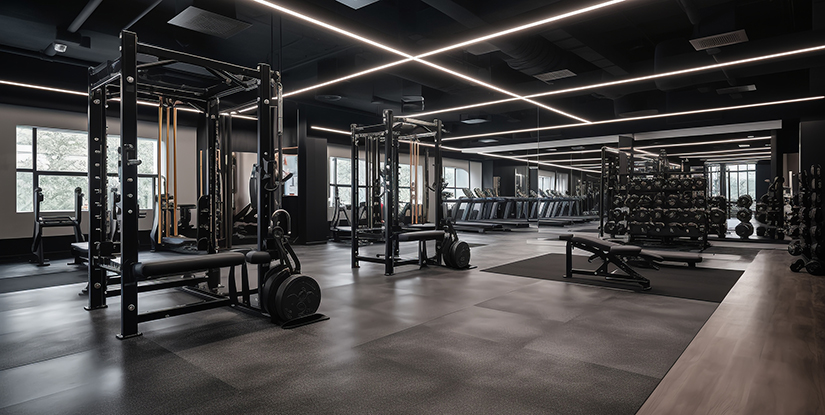
Analyzing Material Composition and Durability Standards
Procuring weight training equipment at a wholesale scale is not merely a purchasing decision; it is a long-term capital allocation. One of the most immediate risks for operators is the discrepancy between advertised material strength and actual field durability. A common failure mode occurs when buyers prioritize low unit costs over the gauge of steel or the density of upholstery, leading to premature structural fatigue and increased replacement cycles. To mitigate this, an assessment must begin with a rigorous examination of raw material specifications.
Steel Gauge and Tubing Wall Thickness
When evaluating strength racks or heavy-duty benches, the primary metric of reliability is the steel gauge. Lower-grade equipment often utilizes thinner-walled tubing to save on material costs, which creates a risk of buckling under maximum load. A professional buyer should demand technical spec sheets that clarify the wall thickness. For high-traffic commercial environments, a minimum of 11-gauge steel is generally expected for primary load-bearing components. If a supplier cannot provide specific gauge details, it is a significant red flag indicating a potential lack of structural integrity.
Upholstery Density and Surface Resilience
Upholstery failure is often caused by low-density foam that loses its shape under repeated compression. To verify quality, an operator should assess the 'rebound' capability of the padding. High-grade commercial upholstery should utilize high-density, closed-cell foam that resists moisture and retains its shape over thousands of cycles. A common mistake is neglecting the stitching quality; look for double-reinforced seams to prevent the tearing that often follows heavy usage in high-intensity training environments. Once material integrity is verified, the next critical step is assessing the mechanical movement of the equipment.
Evaluating Mechanical Smoothness and Bearing Systems
Having established that the structural frame is sound, the focus must shift to the moving parts. Even the highest-grade steel becomes a liability if the mechanical systems—such as pulleys, cables, and weight stacks—are prone to friction and misalignment. A poorly assessed mechanical system leads to increased user fatigue and, more importantly, the risk of catastrophic cable failure.
Pulley Smoothness and Cable Tensile Strength
In selectorized machines or cable crossovers, the smoothness of the motion is a direct indicator of bearing quality. A high-quality system utilizes ball bearings that allow for fluid, zero-resistance movement. If you encounter a 'stutter' or uneven resistance during testing, it often indicates cheap plastic pulleys or poorly seated bearings. Furthermore, the cable itself must be assessed for its tensile strength and sheath durability. Nylon-coated steel cables are the industry standard for commercial settings because they reduce friction and prevent fraying. A common failure point is the connection point where the cable meets the weight stack; ensure these junctions are reinforced with heavy-duty metal clamps rather than simple plastic ferrules.
Weight Stack Alignment and Selector Pin Durability
For machines involving weight stacks, the alignment of the guide rods is paramount. If the rods are not perfectly vertical or are insufficiently lubricated, the weight plates will tilt and bind, causing excessive wear. An operator should verify that the selector pins are made of hardened steel rather than light-weight zinc alloys, as thin pins are easily bent or sheared under high-load shifts. The following table provides a quick reference for evaluating mechanical components during a wholesale inspection:
| Component Type | Standard Indicator of Quality | Common Low-Quality Red Flag |
| Cable Systems | Nylon-coated high-tensile steel; fluid motion | Exposed steel wire; jerky resistance; plastic pulleys |
| Guide Rods | Polished chrome or stainless steel; smooth weight travel | Dented surfaces; oxidation; uneven resistance |
| Selector Pins | Hardened steel; thick diameter | Thin, bendable zinc; light-weight plastic coatings |
| Bearing Units | High-grade ball bearings; low friction | Plastic bushings; high-friction resistance |
By verifying these mechanical parameters, an operator can predict the service interval of the equipment. However, mechanical excellence is useless if the assembly itself is prone to loosening due to vibration and daily use.
Assessing Hardware, Fasteners, and Assembly Stability
A mechanical system is only as strong as the hardware holding it together. A frequent oversight in the wholesale assessment process is the failure to inspect the grade of bolts, nuts, and washers used in the assembly. In high-vibration environments like weight rooms, inferior fasteners can undergo 'creep' or loosening, leading to a complete structural failure.
Bolt Grade and Thread Integrity
Standard hardware found in home-grade equipment is often insufficient for the dynamic loads found in commercial gyms. Professional-grade equipment should utilize high-tensile bolts (often Grade 5 or higher) to ensure that the assembly remains rigid. An important verification step is to check for the presence of locking washers or nylon-insert nuts (Nyloc nuts). These components are designed to prevent bolts from backing out due to the constant vibration of heavy lifting. If the assembly relies solely on standard hex nuts, the risk of structural loosening over a 12-to-24-month period increases exponentially.
Weld Quality and Joint Integrity
The most critical points of failure in a weight training machine are often the welds. Poor welding results in porosity—small holes or gaps in the metal—which creates a stress concentration point. An operator should inspect the continuity of the welds on all load-bearing joints. A high-quality weld should be consistent, smooth, and show no signs of incomplete penetration. A common error is assuming that a thick-looking weld is a strong one; in reality, a large, messy weld can hide deep structural flaws. Use a magnifying glass or high-intensity light to inspect the perimeter of every joint on the frames of racks and benches. This scrutiny prepares the buyer for the next stage: evaluating the final finish and aesthetic durability.
Verifying Surface Finishes and Environmental Resistance
After confirming the structural and mechanical integrity, the final layer of assessment involves the external coatings and finishes. This is particularly important for long-term ROI, as the way a machine handles sweat, humidity, and physical impact will determine its visual and structural longevity.
Powder Coating vs. Liquid Paint
For commercial-grade equipment, powder coating is the gold standard. Unlike liquid paint, which can be thin and easily chipped, powder coating provides a thick, durable barrier that is highly resistant to impact and corrosion. When assessing a wholesale batch, look for any signs of bubbling or unevenness in the finish. A bubbled finish often indicates poor surface preparation before coating, which will lead to rust in a high-humidity gym environment. A high-quality powder coat should feel uniform and provide a slightly textured or matte grip that is resistant to scratching from dumbbells and plates.
Upholstery Resistance and Maintenance Requirements
The finish of the upholstery is more than an aesthetic choice; it is a functional requirement. Commercial environments expose equipment to high levels of sweat and skin oils, which can degrade low-quality vinyl rapidly. A professional should verify that the upholstery is made from high-density, antimicrobial vinyl. This material is designed to be easily cleaned with standard disinfectants without cracking or bleaching. A common mistake is overlooking the 'stretch' of the material; if the vinyl appears too thin or lacks a high-density foam base, it will likely develop unsightly wrinkles and tears within the first year of operation.
| Surface Type | Ideal Specification | Verification Method |
| Frame Coating | Heavy-duty electrostatic powder coating | Check for uniform thickness and impact resistance |
| Upholstery | Antimicrobial, high-density vinyl | Test for firmness and moisture resistance |
| Weight Plates | Rubber-encased or high-grade cast iron | Check for even weight distribution and no cracking |
| Grip Surfaces | Knurled steel or textured rubber | Ensure grip is consistent and free of sharp edges |
Establishing these standards during the assessment phase allows for a predictable maintenance schedule. With the hardware and finish verified, the operator can move toward the final stage: evaluating the total cost of ownership through a long-term lens.
Economic Implications: ROI and Total Cost of Ownership
The final pillar of assessing wholesale weight training equipment is shifting the perspective from 'acquisition cost' to 'total cost of ownership' (TCO). A lower initial purchase price is often a false economy if the equipment requires frequent repairs, parts replacement, or premature decommissioning. A professional buyer must calculate the long-term economic impact of every decision made during the assessment.
Calculating Maintenance Intervals and Part Availability
One of the greatest hidden costs in wholesale procurement is the lack of specialized parts. If a machine breaks down and the manufacturer does not offer individual replacement parts (like specific pulleys, cables, or even a single bolt), the entire machine becomes dead weight. When assessing a supplier, ask about their component availability and the ease of sourcing consumables. A machine with a high-quality, standardized parts ecosystem will have a much lower TCO than a 'disposable' model that requires full unit replacement for minor failures. This distinction is critical for maintaining high facility uptime.
Depreciation and Resale Value
High-quality, heavy-duty equipment maintains its value far better than light-duty alternatives. When planning a facility upgrade or a business exit, the resale value of your equipment can be a significant asset. By choosing equipment with superior steel gauges, high-grade powder coatings, and standardized mechanical parts, you are effectively building an asset that depreciates more slowly. A common mistake is failing to account for the downtime cost associated with broken equipment; a machine that is out of commission for three weeks due to a non-standard part is a direct hit to the facility's revenue. Therefore, rigorous assessment is not just about quality—it is about financial stability.
Optimizing Logistics and Shipping Inspections
The final phase of the wholesale process occurs during transit and arrival. Even if a supplier provides perfect technical specifications, the logistics phase introduces new variables that can compromise the quality of the equipment before it ever reaches your facility. Proper assessment must continue through the unloading process.
Packaging Integrity and Transit Damage Prevention
Weight training equipment is inherently heavy and prone to structural stress during shipping. A common failure mode is the use of insufficient palletizing or thin cardboard, which leads to dented frames or scratched finishes upon arrival. When reviewing wholesale agreements, ensure that the packaging standards include reinforced corner protection and heavy-duty shrink wrapping. If you notice that metal edges are exposed without protective buffers, it is an indicator that the supplier may not prioritize long-distance shipping durability. A damaged frame, even if it remains functional, can lead to immediate depreciation of the asset's value.
Volume-Based Inspection Protocols
When receiving a wholesale shipment, a randomized inspection protocol is essential. Rather than checking only the first three units, select samples from the middle and end of the shipment. This helps identify if a supplier is 'mixing' quality—sending high-grade specimens for inspection while including lower-grade units in the bulk of the order. Check for consistency in color (powder coating uniformity) and weight (ensuring weight plates are consistent with the stated mass) across the entire lot. This final layer of scrutiny ensures that the high ROI you calculated during the planning stage is actually realized in your facility.
Summary Checklist for Wholesale Assessment
To ensure no critical detail is missed, use the following synthesized checklist during your next procurement cycle. This checklist integrates the technical, mechanical, and economic factors discussed throughout the guide.
- Material: Verify steel gauge (min 11-gauge for racks) and welding continuity.
- Mechanics: Test pulley smoothness, cable tensile strength, and guide rod alignment.
- Hardware: Inspect for high-tensile bolts and locking mechanisms (Nyloc nuts).
- Finish: Confirm electrostatic powder coating and high-density, antimicrobial upholstery.
- Logistics: Check packaging strength and conduct randomized lot inspections.
- Economics: Verify part availability and assess the long-term TCO vs. initial price.
By implementing these rigorous assessment standards, you transform procurement from a gamble into a strategic business advantage.