
Meeting Member Demand with Wholesale Weight Lifting Equipment
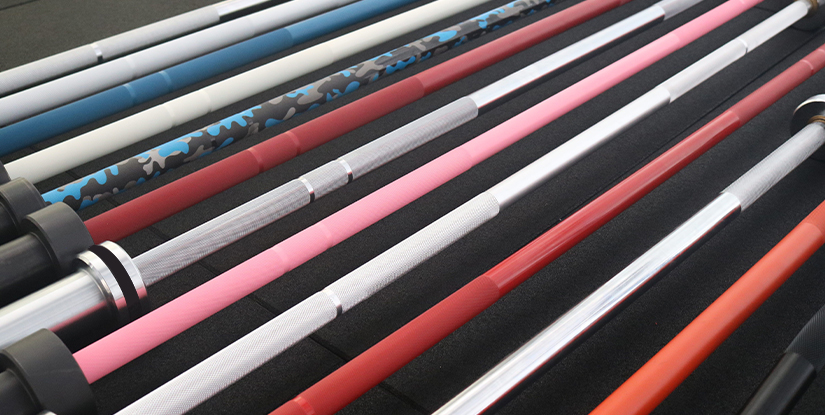
Navigating Equipment Shortages and Meeting Member Demand
Facility operators often face a brutal paradox: as gym membership numbers climb, the available functional equipment frequently declines. This is rarely due to a lack of floor space, but rather a failure to align procurement cycles with actual usage velocity. When a facility relies on a single shipment of high-use items like dumbbells or Olympic plates without a tiered replacement strategy, they inevitably face the 'missing weight' problem. This leads to member frustration, reduced session efficiency, and a perception of declining facility quality.
The root cause is usually an underestimate of the wear-and-tear cycle in high-traffic environments. A common mistake is purchasing high-volume but low-durability equipment to save on initial CAPEX, only to find that the replacement frequency ruins the long-term ROI. To solve this, operators must transition from reactive purchasing to a proactive replenishment model. By understanding the lifecycle of different equipment categories, you can ensure that your stock levels remain consistent with your membership growth. Once you establish these demand baselines, the next critical step is ensuring that the equipment you do order meets the structural standards required for heavy commercial use.
Evaluating Structural Integrity for High-Traffic Environments
Building on the need for consistent availability, procurement specialists must distinguish between 'fitness grade' and 'commercial heavy-duty' specifications. A common failure mode in wholesale purchasing is selecting equipment that looks aesthetically pleasing but lacks the internal density or welding strength required for constant heavy loading. For instance, a weight plate that appears uniform might have inconsistent density, leading to uneven wear or even structural cracks under repeated impact.
Material Density and Load Capacity Standards
When vetting wholesale suppliers, you cannot rely on photos alone. You must demand technical specifications regarding the material composition. For weight lifting equipment, this often involves the steel grade of the racks or the polyurethane density of the plates. A lack of clear specification documentation is a major red flag indicating a supplier might be offloading lower-tier consumer-grade goods under a commercial label.
| Equipment Type | Consumer Grade Indicator | Commercial Grade Requirement | Verification Method |
|---|---|---|---|
| Dumbbell Sets | Rubber/Neoprene coating with hollow cores | Solid cast iron or high-density urethane shells | Weight consistency check (±1% variance) |
| Olympic Barbells | Standard mild steel; limited knurling precision | High-tensile alloy steel; precision knurling | Tensile strength and whip test |
| Power Racks | Lightweight tubing; thin gauge steel | Heavy-duty 11-gauge steel; reinforced welding | Wall thickness measurement (caliper check) |
| Weight Plates | Standard thin rubber; high thickness variance | High-density cast iron or urethane; low tolerance | Diameter and thickness tolerance check |
By utilizing these verification methods, you mitigate the risk of premature equipment failure. Ensuring your equipment meets these structural benchmarks is the foundation of a reliable facility. This rigorous selection process naturally leads to the necessity of a structured maintenance and inspection regimen.
Establishing a Maintenance Cadence for Longevity
Even the highest-quality wholesale weight lifting equipment will degrade if neglected. The transition from successful procurement to operational excellence requires moving from a 'fix when broken' mindset to a scheduled maintenance cadence. Without a formal inspection schedule, minor issues like a loose bolt or a slightly frayed cable can escalate into catastrophic failures or member injuries.
The Three-Tiered Inspection Model
To effectively manage a large-scale facility, I recommend a tiered approach to equipment checks. This ensures that high-risk items receive more frequent scrutiny than low-impact items. This prevents the 'slow decay' where equipment gradually becomes unsafe without anyone noticing the gradual change in performance.
- Daily Visual Sweeps: Conducted by floor staff. Look for obvious signs of distress: torn upholstery, loose bolts on benches, or cracked weight plate edges.
- Weekly Mechanical Checks: Focus on moving parts. This includes lubricating cable machines, checking the tension in pulley systems, and verifying the smooth movement of barbell sleeves.
- Monthly Deep Audits: A more rigorous structural assessment. This involves checking the torque on rack bolts, inspecting weld points for hairline cracks, and testing the integrity of weight-bearing surfaces.
A common mistake made by facility managers is assigning these tasks to untrained staff who lack a checklist. A formal, documented log is essential. If an incident occurs, your ability to prove a regular maintenance cadence is your first line of defense in liability management. With a strict maintenance routine in place, your next challenge shifts toward optimizing the layout to accommodate these physical assets efficiently.
Explore the complete technical specifications:
Optimizing Equipment Layout to Reduce Wear
Having successfully acquired and maintained high-quality equipment, the final operational piece is the strategic placement of these assets. Poor layout choices do more than just impede movement; they actively accelerate equipment degradation. For example, placing a heavy dumbbell rack in a high-traffic corridor increases the likelihood of accidental impact, which can damage both the rack and the floor coating.
Zoning for Functional Longevity
Effective floor planning requires categorizing equipment into 'high-impact' and 'low-impact' zones. High-impact zones—where heavy lifting, dropping weights, and high movement occur—must be equipped with specialized flooring and ample clearance. Neglecting this requirement is a frequent cause of high floor replacement costs and damaged equipment structural integrity.
| Zone Category | Typical Equipment | Critical Requirement | Mitigation Strategy |
|---|---|---|---|
| Strength/Power Zone | Squat Racks, Platforms, Barbells | High-density rubber flooring (min 20mm) | Dedicated heavy-duty lifting platforms |
| Free Weight Area | Dumbbells, Adjustable Benches | Impact-resistant flooring and wide aisles | Standardized rack placement with 3ft clearance |
| Cardio/Circuit Zone | Treadmills, Rowers, Air Bikes | Uniform surface and electrical stability | Non-slip mats and cable management systems |
The relationship between layout and equipment life is direct: a well-zoned facility reduces the frequency of collisions and improper loading, which in turn reduces the frequency of your maintenance cycles. As you optimize your space, you must also remain cognizant of the financial lifecycle of the equipment you have placed within it.
Financial Projections and Inventory Reordering Thresholds
Managing a facility requires more than just physical oversight; it requires mathematical precision in inventory management. A common failure in scaling operations is the lack of a defined 'reorder point' for high-turnover items. When a facility waits until a weight set is completely missing to reorder, they have already lost the battle against member dissatisfaction.
Inventory Threshold Parameters
To maintain seamless service, you should establish quantitative triggers for reordering. This prevents the operational downtime associated with long-lead wholesale orders. Below are the suggested parameters for different equipment classes:
- Critical Items (Dumbbells, Plates): Reorder when current stock reaches 15% of the projected monthly turnover rate.
- Mechanical Items (Cables, Pulleys): Reorder or replace components when the wear-coefficient (visual or tactile) reaches 50% of its expected lifespan.
- Major Assets (Racks, Benches): Evaluate replacement every 36–48 months based on a standardized structural audit score.
Failure to set these thresholds often results in 'emergency purchasing,' where the need for immediate replacement leads to high shipping costs and the selection of lower-quality equipment due to time constraints. By quantifying your needs, you maintain the high standards established during your initial procurement phase.
Lifecycle Management and Reinvestment Strategies
As the facility operates, the constant interplay between member usage and equipment wear will necessitate a replenishment strategy. Meeting member demand is not just about the first purchase; it is about the second, third, and fourth purchase cycles. A failure to plan for the 'end-of-life' stage of your equipment is a significant risk to long-term profitability and member retention.
The Depletion and Replacement Framework
Rather than waiting for a piece of equipment to fail, successful operators use a depletion-based forecasting model. This involves tracking the 'usage-to-wear' ratio for different categories. For example, you might find that your premium barbell set has a much longer lifespan than your entry-level dumbbell set, allowing you to adjust your budget accordingly.
- Track Utilization Data: Use member check-in data or digital gym management tools to see when peak hours drive the most wear.
- Budgeting for Rolling Replacement: Instead of a massive capital expenditure every five years, allocate a monthly 'replacement fund' based on your observed depletion rates.
- Tiered Reinvestment: Prioritize replacing the high-visibility, high-use items (like dumbbells and benches) first to maintain the perceived quality of the facility.
By treating equipment as a depreciating asset with a measurable decay rate, you move from the stress of unexpected shortages to the control of a predictable business model. This level of foresight ensures that your facility remains a premium destination for your members, regardless of how many new memberships you sign.
Summary of Operational Best Practices
Successfully meeting member demand with wholesale weight lifting equipment requires more than just a large order. It requires a continuous loop of high-standard procurement, rigorous structural verification, disciplined maintenance, and strategic spatial management. When these four pillars are integrated, the result is a facility that feels consistently professional and reliable.
Always remember that the goal is not just to fill the floor with metal, but to maintain a high-performing environment that supports the training needs of your members. By following the protocols outlined in this guide, you can minimize the risks of premature failure and maximize the return on your capital investment.