
How Custom Weight Plates Build Brand Recognition
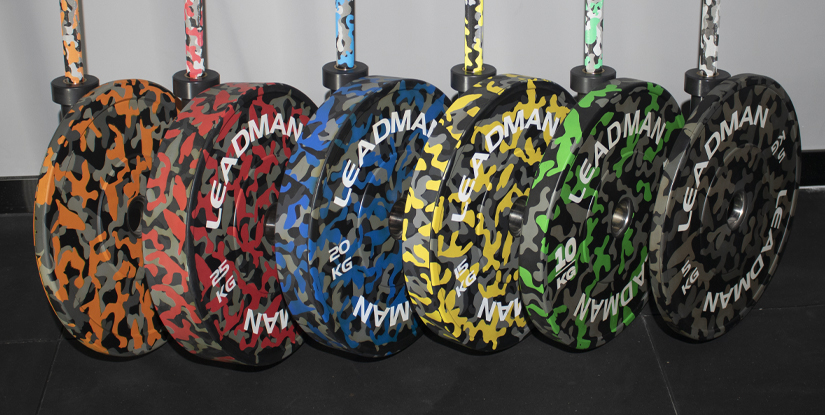
The Generic Equipment Trap and Brand Dilution
In the high-stakes environment of commercial fitness management, a recurring failure mode is the reliance on standard, unbranded iron or rubberized plates. While these products are cost-effective in the short term, they represent a missed opportunity for identity. When a gym owner fills a facility with generic, mass-produced weights, the facility becomes indistinguishable from a thousand other clubs. This lack of visual cohesion leads to a subtle but persistent problem: the inability to establish a premium identity that justifies higher membership dues. The cause is often a procurement focus solely on the lowest per-unit cost, ignoring the long-term marketing value of the physical environment.
To solve this, operators must transition from viewing weight plates as mere tools to viewing them as mobile billboards. A well-executed custom plate strategy ensures that every time a client films a workout or a guest walks through the floor, your visual signature is present. Establishing this baseline of intentionality is the first step in a larger strategy for market differentiation, which begins with understanding the technical execution of the design itself.
The Cost of Indistinguishability
Many facility managers fail to realize that generic equipment can actually hurt brand perception. If your high-end interior design is paired with weathered, generic black plates, the visual friction creates a perception of inconsistent quality. This mismatch between promised luxury and actual physical assets can lead to increased churn in the premium segment.
| Feature | Generic Standard Plates | Custom Brand-Identified Plates |
|---|---|---|
| Visual Impact | Neutral/None | High/Iconic |
| Perceived Value | Commodity/Low | Premium/High |
| Marketing Utility | Zero | High (Social Media Ready) |
| Longevity of Identity | N/A | Decade-level recognition |
Once the strategic value of differentiation is understood, the focus must shift toward the technical specifications required to ensure that a custom design does not compromise functional performance.
Material Selection and Structural Integrity Requirements
The shift from generic to custom does not change the fundamental physics of the equipment. A common mistake made during the design phase is prioritizing aesthetic complexity over material density and structural durability. If the custom plate fails through chipping, peeling, or uneven weight distribution, the brand recognition built by the design is instantly erased by a reputation for poor quality. To avoid this, operators must specify material types based on the intended usage environment.
The choice between cast iron, urethane, and rubber-coated plates is not just about price; it is about the lifecycle of the brand's image. For instance, a high-end boutique studio might opt for urethane because it offers a cleaner look and higher resistance to the gouging seen in high-traffic commercial environments. If you choose a poorly executed paint-on logo for iron plates, the friction from repeated usage will cause the branding to flake off within months, leaving a scarred, unprofessional-looking product.
Technical Selection Criteria
- Cast Iron Base: Best for budget-conscious branding where durability is key, but requires high-quality powder coating to prevent rust and chipping.
- Urethane Coating: The gold standard for high-end facilities. It provides a vibrant, lasting color and is much harder to scratch than standard rubber.
- Rubberized Surfaces: Ideal for sound reduction but requires specific application techniques to ensure the embossed logo remains legible over time.
Selecting the right material ensures the physical asset lasts long enough to actually complete the job of brand building. However, even the best material will fail if the dimensional tolerances are not strictly controlled during production.
Dimensional Tolerances and Weight Accuracy Standards
One of the most significant risks when ordering custom weight plates is the deviation from weight accuracy. In a standard procurement process, a buyer might accept a "+/- 5%" margin of error, but for a brand-focused facility, this is unacceptable. If your custom 20kg plate actually weighs 19.2kg, the technical failure creates a direct hit to your brand'0s integrity and professional standing.
A professional operator must demand specific tolerance ranges before signing a production contract. When the goal is brand recognition, the product must perform flawlessly. A plate that feels "off" or looks uneven because of poor machining undermines the very premium image you are trying to cultivate. This is why understanding the manufacturing process is essential for quality verification.
Verification Checklist for Weight Precision
| Metric | Standard Tolerance | Premium/Custom Expectation | Verification Method |
|---|---|---|---|
| Weight Variance | +/- 2% to 3% | +/- 0.5% to 1% | Calibration Scale Test |
| Diameter Uniformity | +/- 1.5mm | +/- 0.5mm | Vernier Caliper Measurement |
| Center Hole Fit | Loose/Standard | Precision Snug | Barbell Fitment Test |
Ensuring these technical specs are met prevents the "cheap feeling" that often plagues amateur custom orders. With a reliable technical foundation established, the focus can turn to the visual elements that actually drive the brand recognition.
Explore the complete technical specifications:
Visual Branding Elements and Application Techniques
While the weight accuracy provides the professional backbone, the visual branding is the surface-level element that communicates identity. This is where many operators fail by choosing designs that are too intricate for the manufacturing process. A complex, multi-colored logo that looks great on a computer screen may become an unreadable smudge once it is embossed into rubber or cast into iron. The failure to match the design to the application method results in a product that looks amateurish.
To achieve professional results, you must choose between three primary methods: casting, molding, and coating. Each has different implications for the longevity and clarity of your brand. For example, a deeply embossed logo in cast iron is almost permanent, whereas a printed logo on a rubber surface is susceptible to abrasion and UV degradation.
Comparison of Branding Methods
For high-end brand recognition, the method of application determines whether your logo is a permanent fixture or a temporary decoration. Below are the three most common technical approaches used in the industry.
- Casting/Embossing: The logo is part of the mold itself. This is the most durable method and is best for a rugged, classic brand identity. It is highly resistant to wear but offers limited color options.
- Color-Integrated Urethane: The color and the branding are part of the polymer. This allows for high-contrast, vibrant colors that remain consistent across the entire surface, ideal for modern, boutique branding.
- Powder Coating/Paint: The branding is applied after the plate is formed. This is the most flexible for color but the most prone to failure if the coating isn't high-grade.
Once the visual identity is successfully integrated into the manufacturing process, the focus shifts from production to long-term maintenance and inspection.
Explore the complete technical specifications:
Operational Inspection and Maintenance Schedules
Brand recognition is not a one-time achievement; it is a standard that must be maintained. Even the best custom weight plates will eventually show signs of wear, and if left unaddressed, this wear can actually damage your brand's reputation more than if you had used generic equipment from the start. An unmaintained, chipped, or dirty plate suggests a lack of attention to detail in the entire facility.
A failure to implement a regular inspection schedule is a common mistake among new facility owners. They assume that because the equipment is "heavy and durable," it requires no care. However, high-traffic environments lead to micro-cracks in coatings and gradual color fading. A proactive approach prevents these small issues from becoming visual liabilities.
The Professional Maintenance Routine
To protect your investment and your brand image, implement the following inspection cadence. This ensures that your custom plates continue to look as premium as the day they arrived.
| Frequency | Task | Verification Detail |
|---|---|---|
| Weekly | Visual Surface Check | Look for chipped paint, peeling urethane, or significant scratches. |
| Monthly | Weight & Fitment Test | Check for any structural warping or unevenness in the center hole. |
| Quarterly | Deep Clean | Remove dust and sweat buildup using non-abrasive, pH-neutral solutions. |
By maintaining these standards, you ensure that the physical assets continue to reinforce your brand's quality claims. But what happens when the inevitable wear occurs? You must have a plan for troubleshooting and replacement.
Troubleshooting Brand Deterioration in Equipment
When you notice that your custom plates are losing their visual impact, you are facing brand deterioration. This usually occurs through three primary channels: color fading, surface abrasion, or structural chipping. The cause is typically either environmental (UV exposure/cleaning chemicals) or operational (misuse/improper handling). If you do not identify the root cause, your replacement plates will suffer the same fate.
For example, if a facility sees widespread paint peeling on iron plates, the issue is likely a low-quality powder coating or the use of harsh, acidic cleaning agents that have compromised the bond. If the problem is UV-related, such as fading in an outdoor/outdoor-adjacent area, you must specify UV-stabilized materials for your next order. Solving the symptom without the cause is an expensive mistake.
Common Failure Modes and Resolutions
- Issue: Peeling or Flaking Logos
Cause: Poor adhesion of paint/powder coating or harsh chemical cleaning.
Fix: Switch to color-integrated urethane or ensure use of pH-neutral cleaners. - Issue:--- Faded/Dull Colors
Cause: Prolonged UV exposure or low-grade pigment density.
Fix: Specify UV-stabilized pigments or indoor-only materials. - Issue: Cracking/Chipping Edges
Cause: Low-quality casting or impact fatigue.
Fix: Verify casting density requirements and specify high-impact materials.
Addressing these issues proactively keeps your facility's visual identity sharp. As your brand grows and evolves, you may even need to reconsider how your equipment scales with your business.
Scaling Brand Identity Through Equipment Evolution
As a fitness facility matures, its equipment needs will inevitably shift. A boutique studio that started with a single set of custom plates will eventually need to expand into larger strength zones or specialized training areas. The mistake many owners make is failing to plan for this evolution, resulting in a "fragmented brand" where the new equipment does not match the original aesthetic.
To scale effectively, your initial custom order should be treated as a design system rather than a single purchase. This means choosing a design language—fonts, colors, and icon styles—that can be easily adapted to different types of plates, such as bumper plates, fractional plates, or specialized kettlebells. Consistency across different weight classes and equipment types is what truly builds high-level brand recognition.
The Scalability Strategy for Procurement
When planning your next phase of growth, use the following framework to ensure your equipment remains a cohesive part of your brand identity.
- Standardize the Visual Language: Ensure your logo and color schemes are compatible with different materials (iron vs. urethane).
- Phased Procurement: Rather than a massive one-time order, implement a rolling upgrade schedule that maintains a consistent look.
- Vendor Continuity: Work with suppliers who can replicate the exact specifications of your previous orders to avoid slight color or texture drifts.
By treating your weight plates as a strategic asset rather than a commodity, you turn every rep performed in your facility into a silent endorsement of your brand's quality and attention to detail.