
Selecting the Best Bumper Plates for High-Traffic Facilities
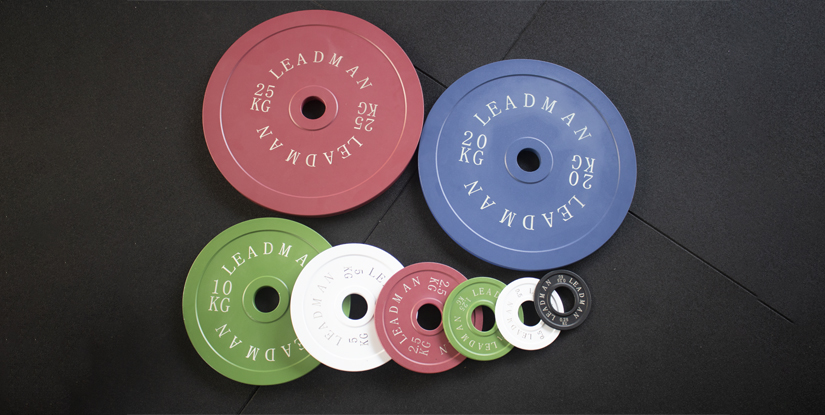
Defining the Standards for Best Bumper Plates in Commercial Settings
When procuring heavy lifting equipment, facility managers often face the dilemma of choosing between immediate cost savings and long-term durability. The best bumper plates are not merely rubber discs; they are engineered shock-absorption tools designed to protect both the barbell and the structural integrity of the facility. A common failure in procurement is prioritizing weight uniformity over impact resilience, which leads to premature cracking and erratic barbell behavior. To avoid these pitfalls, operators must understand the technical nuances of material density, cross-section tolerance, and bounce characteristics.
Selecting the right equipment requires a shift from viewing plates as commodities to viewing them as precision tools. This guide provides the technical framework necessary to evaluate quality, maintain performance, and ensure a safe training environment.
The Role of Impact Management
High-impact lifting generates significant kinetic energy that, if not properly dissipated, can damage subflooring or cause structural fatigue in weight racks. Quality bumper plates are engineered to manage this energy through controlled deformation. If a plate is too hard, it risks fracturing or causing excessive vibration; if it is too soft, it may suffer from permanent deformation or 'flat spots' over time. Establishing a baseline for these material behaviors is the first step in a professional selection process.
Material Composition and Shore Hardness Variables
Having established the importance of impact management, the next critical step is evaluating the actual physical properties of the plates. The composition of the rubber or urethane significantly dictates how the plate will age under repetitive stress. A frequent mistake among novice buyers is ignoring the Shore hardness rating, which measures the resistance of a material to indentation. In a commercial gym, a plate that is too soft may become 'mushy' after six months of heavy use, while an overly hard plate may fail to protect the barbell's sleeves from high-velocity drops.
| Material Type | Typical Characteristics | Ideal Use Case | Durability Profile |
|---|---|---|---|
| Virgin Rubber | High impact absorption, high bounce control | Olympic lifting, CrossFit, high-drop environments | Excellent longevity, high density |
| Recycled Rubber | Economic, moderate density | General strength training, budget-focused setups | Moderate; prone to scent/outgassing |
| Urethane Coating | Highly durable, resistant to abrasion | High-traffic commercial clubs, longevity-focused | Superior surface resistance, low deformation |
The selection of material should be driven by your facility's primary training modality. For instance, a facility focused on heavy Olympic lifting requires materials with high density to maintain structural shape. Understanding these material behaviors allows for more informed decisions regarding the long-term ROI of your equipment.
Why Density Matters for Precision Lifting
Density is not just about weight; it is about the uniformity of the distribution. Inconsistent density across a set of plates can lead to an unbalanced barbell, which is a significant safety hazard during heavy lifts. Professionals should verify that the manufacturing process involves high-pressure molding to ensure that the weight is distributed evenly from the center hub to the outer edge. This prevents the 'wobble' effect often seen in lower-quality alternatives.
Thickness and Diameter Tolerances in Professional Sets
Once the material is selected, the physical dimensions become the next critical control point. A common frustration for experienced lifters is the discrepancy in plate thickness, which can cause the barbell to feel unbalanced or sit unevenly on the rack. If the diameter of the plates is not consistent, the center of gravity for the bar shifts constantly during movement, increasing the risk of mechanical error or injury. This is why verifying dimensional tolerances is essential before any large-scale purchase.
The Relationship Between Thickness and Barbell Center of Gravity
The thickness of a plate directly influences the placement of weight on the barbell sleeve. If a 20kg plate is significantly thicker or thinner than another brand's 20kg plate, the weight distribution across the bar changes. This is especially problematic in competition-style training where precision is paramount. Operators should look for plates that adhere to strict diameter standards to ensure the barbell remains stable during high-velocity oscillations.
- Tolerance Verification: Use a digital caliper to check diameter consistency across a full set.
- Sleeve Fitment: Ensure the center hole diameter is consistent to prevent excessive play on the barbell.
- Thickness Uniformity: Verify that plates of the same weight class have nearly identical thickness profiles.
With dimensional consistency understood, the focus must shift to how these plates interact with the floor and the barbell during heavy use.
Related reading:
Mitigating Floor Damage and Structural Vibration
Even with high-quality plates, the impact of a dropped barbell can cause significant stress to a building's foundation if not managed. This is a common pain point for facility managers in multi-story buildings or hotels. The problem is often not the plates themselves, but the lack of a cohesive system involving the plate, the barbell, and the floor surfacing. A high-quality bumper plate should work in tandem with specialized gym flooring to create a unified shock-absorption system.
Optimizing the Impact System
To protect your facility, you must consider the entire impact chain. The chain starts at the point of contact (the plate), moves through the barbell, and ends at the floor. If any link in this chain is weak, the entire system fails. For example, using exceptionally hard bumper plates on thin, low-density foam mats will result in catastrophic floor damage. A professional setup requires a calculated combination of plate density and flooring thickness.
| Scenario | Potential Risk | Recommended Fix/Verification |
|---|---|---|
| Dropping heavy weights on thin rubber mats | Subfloor cracking or structural vibration | Upgrade to 20mm+ high-density rubber flooring |
| Using high-bounce plates on hard concrete | Damage to barbell sleeves and rack uprights | Use high-density rubber plates with controlled bounce |
| High-frequency dropping in multi-story facilities | Noise complaints and structural fatigue | Install high-impact decoupled flooring systems |
Properly managing these variables reduces long-term maintenance costs and extends the life of all your lifting equipment. Once the floor-impact relationship is solved, the focus turns to the long-term maintenance and inspection of the plates themselves.
Related reading:
Regular Inspection Protocols for Long-Term Safety
Maintaining a high-performance training environment requires more than just a one-time purchase; it requires a consistent inspection cadence. Even the best bumper plates will eventually show signs of wear, such as edge chipping, surface cracking, or center hole deformation. Ignoring these signs can lead to catastrophic failure during a lift, making a rigorous inspection protocol a non-negotiable part of facility management.
Identifying Failure Modes and Wear Patterns
Operators should be trained to recognize the early stages of material fatigue. A small crack in the rubber edge might seem insignificant, but it is often a precursor to the plate splitting entirely. Similarly, a widening of the center hole can lead to instability on the barbell. Regular visual and tactile inspections can catch these issues before they become safety hazards.
- Edge Inspection: Check for chipping or crumbling rubber around the circumference.
- Center Hole Integrity: Inspect for any deformation or loosening of the center ring.
- Surface Texture: Look for excessive wear or smoothing that might affect grip or durability.
By implementing these checks, you move from a reactive maintenance model to a proactive one, ensuring that your equipment remains a reliable asset rather than a liability. These protocols also prepare you for the final stage: managing the full lifecycle of the equipment.
Related reading:
Maximizing Equipment Lifespan through Proper Storage
Effective maintenance extends beyond the gym floor and into the storage area. A common mistake made by facility operators is improper storage of heavy bumper plates, which can lead to permanent deformation. When plates are stacked haphazardly or stored in high-heat environments, the material can undergo structural changes that affect their impact performance. Proper storage is a relatively low-cost way to protect a significant capital investment.
Storage Best Practices for Commercial Gyms
To ensure your plates remain in peak condition, follow these industrial storage standards. These steps prevent the common issue of plates becoming 'warped' or losing their dimensional accuracy over time.
- Vertical vs. Horizontal Storage: Where possible, store plates in dedicated racks rather than stacking them in deep, uncontrolled piles.
- Temperature Control: Avoid storing plates in areas with extreme temperature fluctuations, as this can affect rubber elasticity.
- Load Management: Do not over-stack weight trees; the pressure from the top plates can deform the bottom ones in high-heat scenarios.
Consistent adherence to these storage and maintenance rules ensures that your investment continues to provide value. As you move toward the end of your procurement cycle, remember that the best equipment is defined by its ability to endure and perform under any condition.
Related reading:
The ROI of High-Quality Bumper Plate Selection
In conclusion, the decision to invest in premium bumper plates is a decision to invest in the longevity and safety of your facility. While the initial cost may be higher, the long-term returns are realized through reduced replacement frequency, lower floor repair costs, and a safer environment for your clients. The best bumper plates are those that balance material science with practical durability to meet the demands of a professional setting.
Final Checklist for Procurement Managers
Before finalizing any large-scale equipment order, use this summary checklist to verify that your selection meets professional standards:
- Verify material density and Shore hardness specifications.
- Confirm dimensional tolerances for diameter and thickness.
- Ensure the material is compatible with your existing flooring system.
- Evaluate the long-term maintenance and storage requirements.
- Check for a history of durability in high-traffic commercial environments.
With these criteria in hand, you are prepared to make a decision that supports both your operational goals and your facility's structural integrity.