
Colors, Logos, and Tolerances—Customizing Weight Plates
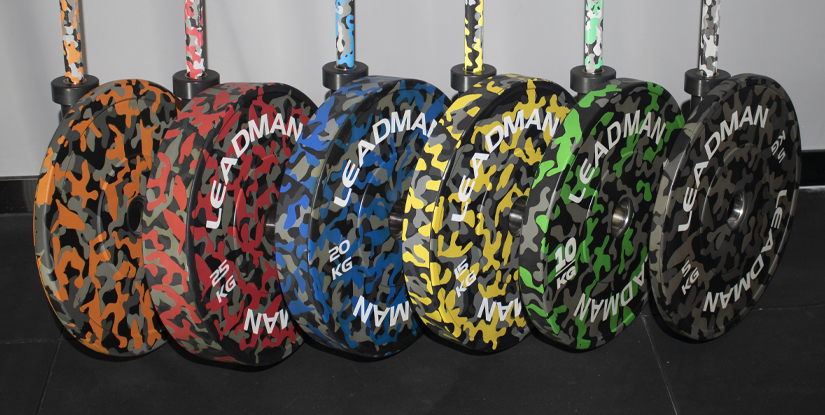
The Strategic Value of Customization in Professional Weight Plate Manufacturing
In the competitive landscape of high-end fitness equipment, the transition from generic, unbranded iron to highly customized, aesthetic weight plates is more than a superficial upgrade; it is a capital investment in brand authority. For facility operators and equipment distributors, customization is the primary vehicle for differentiation. However, moving from a standard commodity to a bespoke product introduces a complex matrix of technical variables. Miscalculating even a single parameter—be it the precision of a logo indentation or the chemical composition of a color coating—can lead to massive logistical failures and damaged brand reputation.
A common pitfall for procurement specialists is treating custom weight plates as simple color-swapped versions of standard stock. In reality, the introduction of custom aesthetics changes the structural interaction between the surface finish and the underlying material. Understanding these technical intersections is the first step in ensuring that your customized equipment maintains its durability and value over time. As we navigate these design choices, we must first address the most visible yet technically demanding element: color application and durability.
Mastering Color Selection and Coating Durability
Coloring in the weight plate industry is not merely a matter of aesthetic preference; it is a technical specification that affects the long-term usability and maintenance of the equipment. Whether opting for high-visibility color coding or a matte, specialized finish, the method of application dictates the product's lifecycle. The primary challenge for operators is 'color degradation,' where heavy use, environmental exposure, and friction lead to chipping, fading, or peeling.
Choosing Between Paint, Powder Coating, and Vulcanized Rubber
The method of color application is the most significant decision in the customization process. Each method carries distinct economic and functional implications. For instance, rubber-encased plates often utilize the color of the rubber itself, whereas urethane or iron-based plates rely on external coatings.
| Method | Durability Level | Best Use Case | Primary Risk |
|---|---|---|---|
| Powder Coating | High | Commercial iron plates | Brittle if coating is too thick |
| Liquid Paint | Moderate | Light commercial/Home use | Chipping under heavy impact |
| Integral Rubber Color | Very High | Bumper plates/High-impact zones | Limited color palette/Higher cost |
| Urethane Coating | Extreme | High-traffic professional gyms | High cost/Complex application |
When selecting a color, it is vital to consider the intended environment. A bright, high-gloss finish might look premium in a showroom but can become a maintenance liability in a high-friction, high-impact commercial setting. Most professionals opt for a matte or semi-matte finish to reduce glare and mask minor scuffs. Once the color standard is established, the next layer of complexity involves the physical branding of the product.
Failure Modes in Color Application
A frequent mistake observed in procurement is failing to account for the 'Coefficient of Friction' (CoF) changes caused by different colors and coatings. A highly smooth, glossy coating might provide a premium look, but it can also make plates difficult to grip during rapid loading. Furthermore, if the coating is not chemically compatible with the substrate (the underlying iron or rubber), delamination will occur. To verify quality, operators should perform a 'scratch and impact test' on samples to ensure the coating remains intact under stress. This structural consideration extends directly into how logos are applied to the surface.
Precision in Logo Integration: Embossing vs. Printing
Once the base color is finalized, the second layer of customization—the logo—must be executed with precision. A poorly executed logo is often the first sign of a low-quality manufacturer. The method of logo application does not just affect aesthetics; it can influence the structural integrity and the tactile feel of the plate's surface.
Technical Comparison of Branding Techniques
There are three primary ways to integrate a logo into weight plates: physical embossing, silk-screen printing, and UV printing. Each serves a different price point and durability requirement.
- Embossed/Debossed Logos: These are molded directly into the plate during the manufacturing process. This is the most durable method, as the brand is a physical part of the geometry. It is the gold standard for high-end bumper plates.
- Silk-Screen Printing: A common method for applying color-contrast logos over a base coating. While cost-effective, it is prone to wearing off through repetitive contact.
- UV Printing: This allows for high-detail, multi-color graphics. While visually stunning, it is the most susceptible to abrasion and environmental degradation.
The decision between these methods depends heavily on the plate material. An embossed logo on a rubber bumper plate is virtually permanent, whereas a printed logo on a steel plate may fail within months of heavy use. This leads us to the most critical technical aspect of all: the physical dimensions and weight tolerances.
Explore the complete technical specifications:
Navigating Dimensional and Weight Tolerances
The most significant risk in customized weight plate production is the trade-off between aesthetics and precision. In the weightlifting industry, 'tolerance' refers to the acceptable deviation from the target weight and the target dimensions. A beautiful, perfectly branded plate is worthless if it weighs 25.5kg instead of the promised 25kg.
The Relationship Between Customization and Weight Accuracy
Customization processes, such as adding thick layers of paint or deep embossing, change the volume and density of the plate. If a manufacturer does not adjust the core mass to compensate for these additions, the plate will deviate from its rated weight. This is particularly problematic in high-precision environments like competitive strength sports.
| Tolerance Category | Standard Range (Typical) | Critical Requirement | Impact of Error |
|---|---|---|---|
| Weight Tolerance | ±1% to ±3% | Must be consistent across sets | Unbalanced loads; unfair competition |
| Thickness Tolerance | ±1.5mm to ±3mm | Must fit standard barbell sleeves | Barbell instability; sleeve crowding |
| Diameter Tolerance | ±1mm to ±2mm | Must align with visual standards | Visual inconsistency in weight stacks |
A common error is ignoring the 'Thickness-to-Diameter' ratio when customizing. If a logo is too deep, it can create structural weak points; if the paint is too thick, the plates may not fit on standard barbells or within a weight rack. To verify performance, always request a 'Batch Test Certificate' that shows the weight distribution and dimensional accuracy of a sample from the specific production run. Accuracy in measurement is only one half of the equation; the other half is the material itself.
Explore the complete technical specifications:
Material Selection and Long-Term ROI
Choosing the right materials for customized plates is a balancing act between initial cost and long-term operational expenditure (OPEX). While a highly customized, brightly colored plate might have a higher upfront price, its durability directly impacts the total cost of ownership. A cheaper, poorly colored plate might require replacement or professional refinishing within a year, leading to higher long-term costs.
Impact of Material Density on Customization
The density of the material dictates how well it accepts customization. For example, high-density urethane is much more receptive to color integration and logo embossing than low-density recycled rubber. If an operator chooses a low-grade substrate with high-end customization, the two elements will work against each other, leading to a rapid decline in the product's professional appearance.
When analyzing the ROI, consider the 'Maintenance Frequency' of your customized equipment. A high-quality powder-coated iron plate may require zero maintenance for years, whereas a painted steel plate may require frequent touch-ups to maintain its brand image. By prioritizing material integrity over purely visual elements, you ensure that your customization remains an asset rather than a liability. This long-term perspective is essential as new production technologies emerge.
Explore the complete technical specifications:
The Future of Customization: Advanced Manufacturing Trends
As the industry evolves, we are seeing a move toward even more integrated customization technologies. The development of advanced polymer blends and high-precision CNC machining is allowing for a degree of detail that was previously impossible. This technological shift is moving customization from the surface layer into the core of the manufacturing process.
Emerging Technologies in Production
The next frontier involves smart-integrated plates, where customization is not just visual but functional. This could include:
- Embedded RFID Technology: For automated equipment tracking and inventory management.
- Precision CNC Machining: Allowing for much tighter dimensional tolerances and more intricate embossed designs.
- Advanced Polymer Blends: Creating materials that are inherently colorful without the need for surface coatings, reducing the risk of chipping.
In this shifting landscape, the core principles of weight, tolerance, and durability remain unchanged. Whether the customization is a subtle color shift or a complex multi-layered graphic, the fundamental requirement of a weight plate is to provide a consistent, reliable, and accurate resistance. As you move forward with your procurement or design process, always anchor your aesthetic desires in the hard realities of material science and dimensional tolerance.