
Hex Dumbbell Wholesale for High-Traffic Facilities: A Strategic Procurement Guide
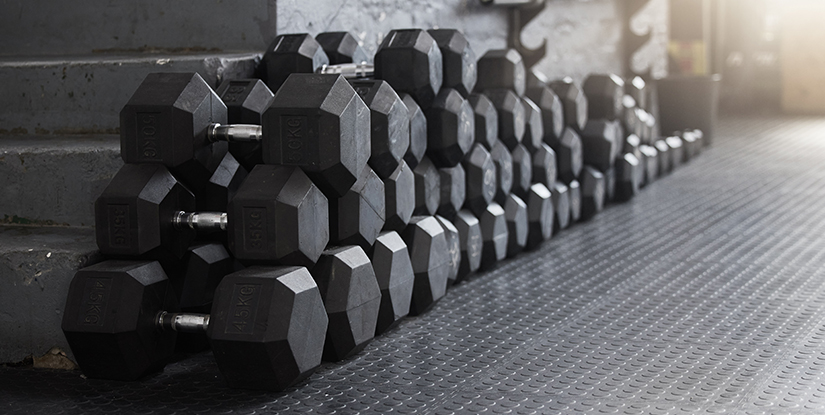
The Hidden Cost of Low-Quality Hex Dumbbell Wholesale for High-Traffic Facilities
Many facility managers fall into the trap of prioritizing immediate unit cost over long-term durability when seeking hex dumbbell wholesale for high-traffic facilities. The misconception is that any heavy-duty steel casting will suffice for a commercial environment. However, the reality is that high-volume usage environments—such as large-scale commercial gyms, university athletic centers, and hotel fitness suites—subject equipment to extreme mechanical stress, frequent impact, and corrosive environmental factors like sweat and cleaning agents.
Choosing sub-standard weight sets leads to two primary failures: rapid coating degradation and structural integrity loss. When a hex dumbbell's urethane or rubber coating begins to peel due to poor adhesion, it creates a safety hazard and an unprofessional aesthetic that drives member churn. Furthermore, improper casting can lead to uneven weight distribution, causing a subtle but dangerous imbalance during high-intensity movements. Understanding these foundational risks is the first step in transitioning from a reactive purchasing model to a strategic investment approach.
Once the risks of low-quality procurement are understood, the focus must shift toward the technical specifications that define true commercial-grade equipment.
Material Composition and Surface Coating Durations
Refining your selection criteria requires a deep dive into the physical layers of the dumbbell. In high-traffic environments, the interface between the steel core and the outer coating is the most frequent point of failure. A common mistake is assuming all 'rubberized' coatings are created equal; in reality, the chemical composition of the bonding agent determines whether the coating will survive a single season of heavy use or last for a decade.
Comparing Common Coating Technologies
| Coating Type | Durability Profile | Best Use Case | Maintenance Requirement |
|---|---|---|---|
| Urethane Encapsulation | Extremely High | High-end commercial clubs | Low; easy to wipe clean |
| Neoprene Coating | Moderate | Boutique studios / Yoga-centric gyms | Medium; prone to tearing |
| Rubber Hex (Cast Iron) | High | Strength and Conditioning facilities | Low; highly impact resistant |
| Vinyl Dipped | Low | Residential or low-traffic hotel gyms | High; prone to cracking/peeling |
When evaluating a wholesale order, you must verify the bonding process. High-quality hex dumbbell wholesale for high-traffic facilities typically utilizes an over-molding process where the coating is chemically bonded to the metal, rather than simply painted on. If the coating can be easily scraped off with a fingernail during a sample inspection, it will certainly fail under the friction of heavy lifting.
Selecting the correct material layer ensures the physical integrity of the equipment, but even the best coatings require a structured approach to maintenance and inspection to remain functional.
Structural Integrity and Casting Precision Standards
Beyond the surface, the internal mass of the dumbbell dictates its long-term safety. A recurring issue in budget-friendly wholesale orders is 'weight variance,' where the actual weight of the dumbbell deviates significantly from the stamped number. In a professional setting, a 2% or 3% variance might seem negligible, but across a full set of 5lb to 100lb dumbbells, this inconsistency undermines the precision required for progressive overload training.
Weight Tolerance Verification Checklist
- The 1% Rule: Aim for professional-grade sets that guarantee a weight tolerance within +/- 1% of the labeled weight.
- Center of Mass Inspection: Rotate the dumbbell on a flat surface; if it wobbles or rolls unevenly, the internal casting is poorly balanced.
- Symmetry Check: Visually compare the two heads of the dumbbell to ensure the hex geometry is perfectly symmetrical.
- Handle Alignment: Ensure the chrome or steel handle is perfectly centered within the weight heads to prevent lateral wobble.
A common failure mode occurs when the handle-to-head junction is weak. In high-traffic facilities, dumbbells are frequently dropped. If the casting is not sufficiently dense or the handle is not integrated deeply into the head, the constant impact can lead to hairline fractures in the metal. Verification of the 'drop-test' capability of the manufacturer's specifications is a vital step in the procurement process.
With the physical construction validated, the next critical layer of defense is the operational setup and environmental management.
Explore the complete technical specifications:
Optimizing Facility Layout and Storage Ergonomics
The durability of your hex dumbbell sets is directly influenced by how they are stored and accessed. Even the highest quality equipment will suffer premature wear if the environment is poorly managed. A significant pain point for facility operators is the rapid deterioration of dumbbell racks and the floor surfaces beneath them, often caused by improper placement and lack of impact management.
Standard Operating Procedures for Dumbbell Placement
To maximize the lifespan of your equipment, implement the following organizational standards:
- Tiered Weight Arrangement: Organize dumbbells by weight in a logical progression (e.g., 5lb to 100lb) to prevent users from hunting and searching, which leads to unnecessary handling and dropping.
- Protective Floor Buffering: Always place heavy hex dumbbells on high-density rubber flooring (at least 15mm–20mm thick) to absorb kinetic energy and protect the structural integrity of the dumbbell heads.
- Avoid 'Stacking' Behaviors: Discourage users from stacking dumbbells on top of one another in a pile, as this causes uneven pressure on the hex edges and can damage the coatings.
By standardizing how the equipment is stored, you reduce the mechanical stress placed on the hex edges. This leads directly to the necessity of a routine inspection cadence to catch wear before it becomes a liability.
Explore the complete technical specifications:
The Maintenance Cadence: Preventive vs. Reactive Protocols
A reactive approach to equipment maintenance—waiting for a dumbbell to break before addressing it—is a failed strategy in a commercial environment. For facilities utilizing hex dumbbell wholesale for high-traffic facilities, a preventive maintenance schedule is the only way to ensure a high return on investment (expenditure). Neglecting routine checks leads to unexpected capital outlays when entire sets must be replaced prematurely.
Monthly Inspection and Cleaning Protocol
| Task | Frequency | Action Required | Red Flag to Watch For |
|---|---|---|---|
| Surface Cleaning | Weekly | Wipe down with non-corrosive disinfectant. | Sticky residue or visible sweat buildup. |
| Coating Integrity Check | Monthly | Visual inspection for peeling or cracking. | Exposed metal or loose rubber edges. |
| Weight Verification | Quarterly | Spot-check random weights on a calibrated scale. | Weight deviation exceeding 1% of label. |
| Handle/Grip Inspection | Monthly | Check for corrosion or knurling wear. | Smooth/slippery grip or rusted metal. |
The goal of this protocol is to identify 'failure modes' early. For example, if you notice a small tear in a urethane coating, you can treat it with a specialized repair kit or address it before the moisture reaches the steel core and causes internal oxidation. A well-documented maintenance log also serves as a valuable asset for insurance and liability documentation.
Once the maintenance routine is established, the final piece of the puzzle involves the actual procurement strategy and selecting the right partners.
Explore the complete technical specifications:
Strategic Sourcing: Identifying Reliable Wholesale Partners
When the scale of the project shifts to large-scale procurement, the complexity of the supply chain becomes a primary risk factor. The objective is not just to find the lowest price per unit, but to identify a partner capable of providing consistent quality across large volumes. Many buyers make the mistake of treating a wholesale order as a one-time transaction, failing to consider the implications for future replenishment and color-matching.
Supplier Qualification Criteria
Before committing to a high-volume order, verify the following with your prospective supplier:
- Batch Consistency: Ask if they can guarantee that replacement weights in the same color/finish will match the original set. This is crucial for maintaining a uniform facility appearance.
- Material Certification: Request technical data sheets for the steel grade and the coating compounds used in their manufacturing process.
- Logistics and Lead Times: Ensure they have a proven track record of delivering large, heavy freight to commercial addresses without damage to the packaging or product.
A professional buyer should view the wholesale process as a long-term relationship. A reliable supplier will provide transparent answers regarding their quality control processes and will not hesitate to share technical tolerances. This transparency is the ultimate indicator of a partner who understands the demands of high-traffic environments.
Future-Proofing Your Facility's Strength Equipment
The landscape of commercial fitness is constantly evolving, and your equipment choices should reflect a forward-thinking mindset. As facility designs move toward more modular and tech-integrated layouts, the way you select and manage your hex dumbbell inventory will impact your ability to scale. Investing in high-spec equipment today prevents the 'death by a thousand cuts' caused by constant, small-scale repairs and replacements.
Ultimately, the decision to seek out premium hex dumbbell wholesale for high-traffic facilities is a decision to prioritize operational stability over short-term savings. By focusing on material science, precision manufacturing, and rigorous maintenance, facility managers can ensure their strength training areas remain a high-performing, safe, and professional component of their business model.