
Functional Fitness Equipment—A Strategic Investment for Commercial Facilities
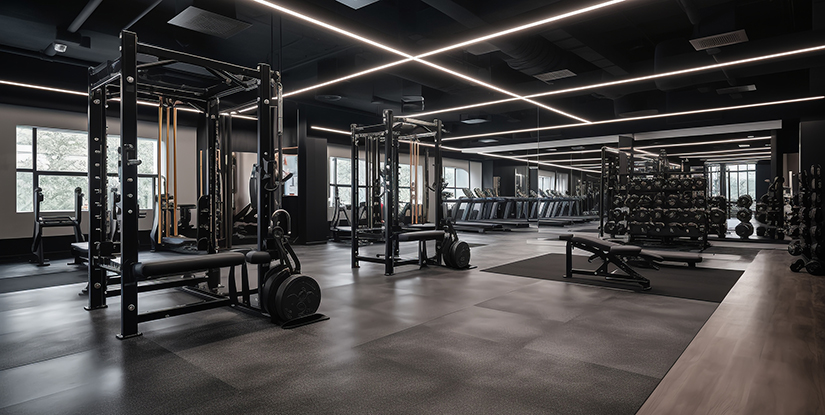
The Economic Reality of High-Intensity Training Zones
Commercial facility operators often face a frustrating paradox: the high-demand functional training areas that attract premium memberships are often the first to show signs of mechanical degradation. This is not merely a maintenance issue; it is a financial one. When functional fitness equipment fails due to improper selection or neglect, the result is a rapid depreciation of capital assets and a direct hit to member retention. The problem stems from a mismatch between the high-impact nature of functional movements—such as explosive plyometrics, heavy unilateral loading, and multi-directional kettlebell work—and the standard durability profiles of lower-grade equipment.
To mitigate these risks, operators must transition from viewing equipment as a disposable commodity to treating it as a long-term infrastructure asset. Understanding the mechanical stress patterns inherent in functional training is the first step toward protecting your investment. This foundational understanding of equipment stress leads directly into the critical process of selecting materials that can withstand such specialized usage.
Material Selection and Durability Benchmarks for High-Usage Areas
The failure of functional training stations often begins at the molecular level, specifically through metal fatigue or coating erosion. Unlike traditional resistance machines that follow predictable, single-axis paths, functional tools are subjected to irregular, high-velocity impacts. A common mistake in procurement is prioritizing aesthetic finish over structural integrity. For instance, a thin powder coating may look premium in a showroom, but under the constant friction of barbell climbs or weighted sled drags, it will succumb to micro-abrasions, leading to premature oxidation of the underlying steel.
Structural Steel Gauge and Coating Integrity
When evaluating high-end functional gear, operators should demand specific documentation regarding steel thickness and coating application methods. High-traffic facilities require high-gauge structural steel to prevent the warping or bending that occurs under heavy dynamic loads. Furthermore, the distinction between basic powder coating and advanced electrostatic finishes can determine the equipment's lifespan by several years.
| Material Feature | Standard Grade Specification | Commercial Functional Grade Specification | Risk of Low-Grade Selection |
|---|---|---|---|
| Steel Wall Thickness | 14-gauge (approx. 1.9mm) | 11-gauge or thicker (approx. 3mm) | Structural buckling under dynamic loads |
| Finish Type | Standard Powder Coating | High-Durability Electrostatic/Ceramic | Surface peeling and rust development |
| Weld Type | Standard MIG Welding | Reinforced Full-Penetration Welding | Cracks at high-stress joints |
| Impact Absorption | Low-density foam/rubber | High-density, high-resilience polymers | Rapid compression and permanent deformation |
By verifying these technical benchmarks during the RFQ (Request for Quote) stage, buyers can avoid the trap of purchasing equipment that looks sufficient but lacks the structural depth required for commercial environments. Establishing these standards for durability ensures that the subsequent assembly and installation processes can be executed effectively.
Structural Assembly and Load-Bearing Verification
Having secured high-specification materials, the next critical failure point is the assembly phase. Even the highest-grade steel is only as strong as the fasteners and joints connecting its components. A frequent operational error is the reliance on generic hardware rather than specialized, high-tensile fasteners. In functional training environments where vibration and impact are constant, standard bolts can undergo 'loosening through vibration,' which leads to catastrophic structural instability if left unmonitored.
The Criticality of Fastener Integrity and Torque Standards
When assembling rigs, racks, or heavy-duty sleds, precision in torque application is not optional—it is a safety requirement. If a bolt is under-torqued, the constant movement of functional training will eventually cause the threads to strip; if over-torqued, the bolt may suffer from stress cracking. Operators must implement a standardized verification protocol for all structural connections.
- Verification Step 1: Use a calibrated torque wrench for all primary structural bolts.
- Verification Step 2: Cross-reference the manufacturer’s recommended torque values (e.g., Newton-meters or foot-pounds) against the specific bolt grade (Grade 8.8 or higher is preferred).
- Verification Step 3: Apply thread-locking fluid to high-vibration areas if the manufacturer explicitly recommends it.
Once the assembly is verified, the focus must shift to the environment in which the equipment sits, specifically the flooring, as the interaction between the tool and the surface determines the longevity of both. A robust piece of equipment can still be rendered useless if the surrounding layout and surface are improperly managed.
Explore the complete technical specifications:
Flooring Systems: The Silent Support for Functional Assets
A major oversight in many commercial facility designs is treating flooring as a mere aesthetic choice rather than a critical piece of functional equipment support. Functional training involves high-impact drops—kettlebells, medicine balls, and heavy barbells—that transmit energy directly into the subfloor. Without the correct shock-absorption mechanism, this energy creates a double-edged problem: it causes accelerated wear on the equipment itself and leads to structural damage to the facility's floor.
Comparing Impact Absorption Requirements
Selecting the wrong flooring can lead to 'rebound fatigue' in both the human athlete and the mechanical components. For example, using thin rubber mats under a heavy deadlift station will lead to uneven weight distribution and potential equipment tilting.
| Equipment Type | Primary Risk Factor | Recommended Flooring Specification | Ideal Thickness Range |
|---|---|---|---|
| Sled/Traction Drags | Surface Abrasion | High-density Vulcanized Rubber | 8mm - 12mm |
| Plyometric/Dynamic Zones | High Impact/Shock | Multi-layered Impact Tiles | 20mm - 40mm |
| Heavy Barbell/Weightlifting | Point-Load Compression | High-Density Rubber Flooring (Compression Resistant) | 25mm+ |
| Kettlebell/Medicine Ball Work | Lateral Skidding | Textured/Non-Slip Rubber Surface | 10mm - 15mm |
Implementing a specialized flooring strategy ensures that the energy from a heavy movement is absorbed by the material, rather than being reflected back into the equipment or the building structure. With the environment and flooring stabilized, the operator must now address the recurring necessity of systematic inspection.
Explore the complete technical specifications:
Systematic Inspection Cycles for Preventative Maintenance
Even with premium materials, professional-grade flooring, and perfect assembly, the high-intensity nature of functional fitness demands a disciplined inspection cadence. Relying on 'reactive maintenance'—fixing things only when they break—is a high-risk strategy that increases downtime and operational costs. Instead, a proactive, preventative approach is required to catch micro-failures before they escalate into safety hazards.
The Three-Tiered Inspection Protocol
To maintain a high standard of safety and maximize the ROI of the equipment, facility managers should implement a tiered inspection schedule that addresses different levels of mechanical fatigue.
- Daily Visual Audit (Staff Level): Quick check for obvious signs of wear, such as frayed resistance bands, loose weight plates, or visible surface tears in flooring.
- Weekly Mechanical Check (Lead Trainer Level): Detailed inspection of moving parts, including checking for smooth travel in pulleys, inspecting cable tension, and checking for loose bolts on high-vibration racks.
- Quarterly Structural Deep-Dive (Facility Manager Level): A comprehensive audit involving torque testing on primary fasteners, inspecting welding points for micro-cracks, and verifying the integrity of the subfloor and equipment leveling.
A failure to document these inspections is a common mistake; without a dated log, it is nearly impossible to identify patterns of wear that suggest an impending failure. Once these regular checks are established, the focus moves to the troubleshooting of more complex mechanical issues.
Explore the complete technical specifications:
Troubleshooting Common Mechanical Failures in Functional Gear
When an inspection reveals a problem, the ability to diagnose the root cause is the difference between a minor fix and an expensive replacement. Most issues in functional fitness equipment fall into three categories: friction-based, tension-based, or structural. Understanding these causes allows operators to resolve issues with precision rather than guesswork.
Diagnostic Framework for Common Issues
If a piece of equipment is behaving irregularly, use the following logic to determine the corrective action:
- Problem: Resistance is jerky or uneven (Pulleys/Cables).
Cause: Dirt ingress in the track or worn bearing.
Fix: Clean the track and apply a dry lubricant; replace the bearing if the movement remains inconsistent. - Problem: Audible grinding or squeaking (Sleds/Weights).
Cause: Lack of lubrication or debris in the movement path.
Fix: Clear the path and check for structural misalignment. - Problem: Unstable or wobbling sensation (Racks/Stations).
Cause: Fastener loosening or floor unevenness.
Fix: Re-torque all bolts to specification and check floor leveling/shim requirements.
By applying this diagnostic rigor, operators can extend the lifecycle of their assets significantly. This systematic approach to maintenance and troubleshooting is essential for maintaining the long-term value of the commercial investment.
Optimizing Equipment Layout for Longevity and Flow
While maintenance and material quality are paramount, the physical way equipment is arranged within a space also dictates its lifespan. A poorly planned layout can lead to 'collision-based wear,' where equipment is frequently bumped by members, or 'localized heavy-load zones,' where the floor and equipment are subjected to excessive stress in a single, unmitigated area.
Strategic Zoning and Impact Mitigation
A professional layout should account for the 'clearance envelope' of every piece of equipment. This is the total space required for the equipment to operate safely at its maximum range of motion, including a buffer zone for the human operator.
- High-Impact Isolation: Place heavy lifting or plyometric stations in zones with the thickest flooring and away from high-traffic walkways to prevent accidental collisions.
- Dynamic Path Management: Ensure that sled tracks and movement-heavy zones have clear, unobstructed paths that do not overlap with static equipment like weight racks.
- Heat and Humidity Management: In some facilities, heavy metabolic equipment can generate significant heat or moisture. Ensure these zones have adequate ventilation to prevent premature oxidation of metal components.
Successful layout planning reduces the frequency of accidental damage and ensures that the high-intensity energy of the facility is channeled into the intended equipment, not the surrounding structure. As the industry continues to evolve, these operational standards will become even more crucial for high-performance facilities.
The Future of Functional Fitness: Sustainability and Intelligent Equipment
Looking ahead, the strategic investment in functional fitness equipment is moving toward increased intelligence and sustainable materials. We are seeing a rise in 'smart' functional gear that can provide real-time feedback on mechanical stress or cable tension, allowing for predictive maintenance before a failure even occurs. While these technologies add to the initial capital expenditure, they significantly reduce long-term operational costs by eliminating the guesswork in maintenance cycles.
Furthermore, the emphasis on sustainability is driving the market toward high-durability, recyclable components that offer a lower total cost of ownership. For the commercial operator, the goal remains the same: to provide a high-performance environment that is as durable as it is dynamic. By prioritizing material specs, rigorous assembly, and disciplined maintenance, the investment in functional fitness becomes a cornerstone of long-term commercial success.